Taking an American road trip is a classic adventure. When you focus on wildlife and open space, you combine stunning scenery with unique animal encounters. This guide will walk you through the best routes, the perfect seasons, planning tips, outdoor ethics, FAQs, and steps to make your trip unforgettable. Designed for grade 9 readers, the instructions are clear, practical, and easy to follow. By the end, you’ll know how to organize your wildlife road trip and explore America’s wildest and widest spaces responsibly.
Top American Road Trip Routes for Wildlife and Open Space
The United States offers a variety of road trip routes where you can spot animals and enjoy vast landscapes. Here are the top routes you should consider:
Pacific Coast Highway: Spotting Sea Otters and Whales
This route runs along the California coast, famous for its ocean views and marine wildlife. From Monterey to Big Sur and down to Santa Barbara, you can watch sea otters floating in kelp beds and catch glimpses of migrating whales. Pull over at scenic lookouts for the best sightings.
Great Smoky Mountains: Encounters With Black Bears and Elk
The drive through Great Smoky Mountains National Park offers lush forest scenery and many opportunities to spot black bears and elk. Early morning or evening drives in Cades Cove and Cataloochee Valley are prime times.
Yellowstone Loop: Bison, Wolves, and Wide Landscapes
Yellowstone National Park is known worldwide for its wildlife. Take the Grand Loop Road to see bison herds across wide plains, wolves in Lamar Valley, and plenty of other animals like coyotes and bald eagles.
Badlands to Black Hills: Prairie Dogs and Wild Mustangs
South Dakota’s Badlands NP and Black Hills offer a road trip across open prairies. Look for prairie dog towns and wild horses, especially in Wind Cave and Custer State Park.
Alaska Highway: Moose, Caribou, and Remote Wilderness
The Alaska Highway stretches through rugged wilderness. You may spot moose grazing along the roadside, caribou herds, and iconic scenery from forests to tundra. This is perfect for travelers wanting solitude and untouched nature.
When and Where to Go for the Best Wildlife Viewing (2026)
Timing is everything for wildlife watching. Different seasons bring different animals and experiences.
Prime Seasons for Each Major Route
- Pacific Coast Highway: Whale migrations peak from January-March and April-May. Sea otters are visible year-round.
- Great Smoky Mountains: Spring and fall are best for wildlife activity. Bear sightings increase from April to early June.
- Yellowstone Loop: May and September offer fewer crowds and active animals. Bison calves appear in spring; wolves are active year-round.
- Badlands to Black Hills: Summer is ideal for spotting prairie wildlife. Wild mustangs roam freely late spring to fall.
- Alaska Highway: June-August is best. Animals are more visible and days are longer.
Hidden Gems—Underrated Wildlife Destinations
- Bosque del Apache, New Mexico: Thousands of sandhill cranes migrate here each winter.
- Redwoods State Parks, California: Watch Roosevelt elk roam among giant trees.
- Northwoods, Minnesota: Home to moose, wolves, and loons in quiet lakes.
Essential Planning Tips for Open Space Road Trips
Preparation is key for road trips in wild areas. Here’s how to plan for comfort, safety, and adventure.
Choosing the Best Vehicle for Open Terrain
- Pick a vehicle with good ground clearance if you expect rough roads or gravel. SUVs, trucks, and camper vans are ideal.
- Ensure your car has reliable tires and spare tools.
- If you rent, request all-wheel drive for mountain or remote routes.
Packing for Wildlife Watching—Gear and Safety
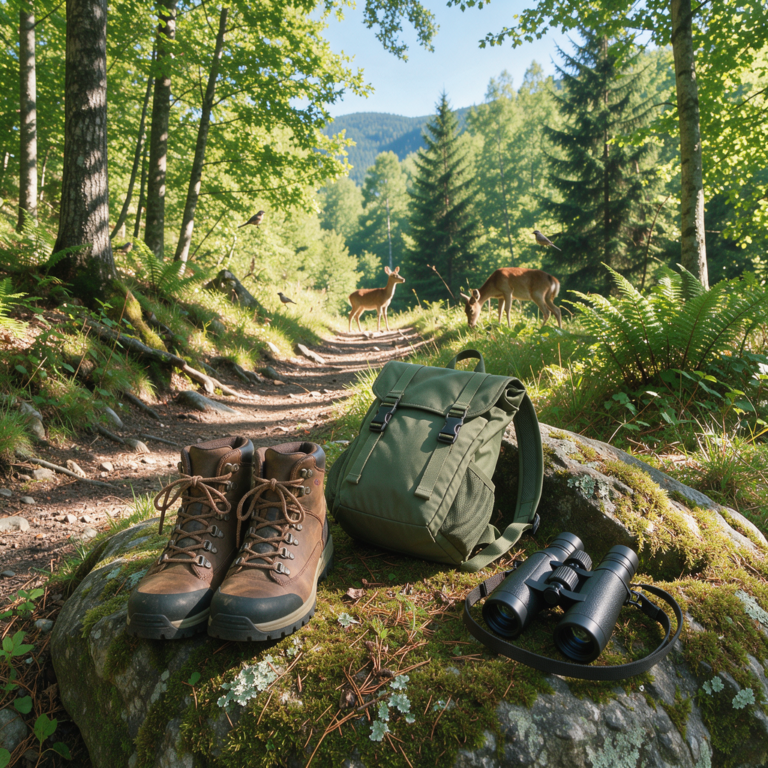
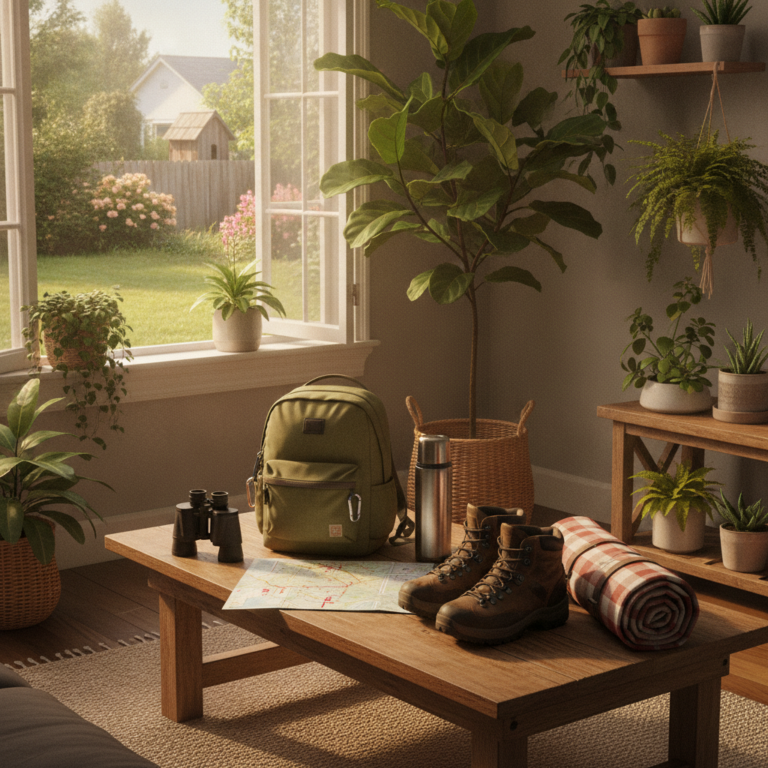
- Bring binoculars and a camera for wildlife spotting.
- Pack outdoor clothing: layers, waterproof jacket, hat, and sturdy shoes.
- Include food, water, and a first-aid kit for emergencies.
- Carry field guides for animals and maps of the area.
- Bear spray is recommended in bear country.
Navigating Remote Areas—Maps, Apps, and Fuel Strategies
- Download offline maps or GPS apps before leaving urban areas.
- Carry written directions as backup.
- Check gas stations on your route; fill up regularly, especially before entering remote stretches.
- Mark locations of ranger stations and emergency services.
Responsible Wildlife Watching and Outdoor Ethics
Staying Safe Around Wild Animals
- Never approach or feed wild animals. Observe from a safe distance.
- Keep car windows closed when animals are nearby.
- Store food securely to prevent attracting wildlife.
- Learn basic animal behavior signs, like bear warnings actions.
Leave No Trace Principles for Travelers
- Pack out all trash and food, even biodegradable items.
- Stick to marked trails and roads to protect habitats.
- Respect wildlife: keep noise low and do not disturb animals.
- Camp only in designated areas.
- Use environmentally friendly products whenever possible.
FAQ: American Road Trips With Wildlife and Open Space
- Q: What if I don’t see any wildlife?
A: Wildlife is unpredictable, but early morning and late evening are the best times. Try moving slowly and looking at water sources. - Q: How long should my trip be?
A: Most routes can be done in 3-7 days, but add extra time for stops and hiking. - Q: What apps are best for navigation?
A: Try Google Maps with offline mode, Gaia GPS, or National Park apps. - Q: Is camping necessary?
A: Camping gives more access to open spaces, but many trips offer hotels or cabins nearby. - Q: How can I know if a route is safe?
A: Check the park’s website and local weather before you leave.
Resources and Next Steps for Planning Your Adventure
| Resource | Purpose | Where to Find |
|---|---|---|
| National Park Service Website | Route maps, safety updates | www.nps.gov |
| Wildlife Guides & Field Books | Identify animals | Bookstores, online retailers |
| Navigation Apps | Offline maps and GPS | App stores (Google Play, Apple Store) |
| Travel Forums | Read real trip reports | TripAdvisor, Reddit, Lonely Planet |
| Local Visitor Centers | Expert advice | In every major park |
Summary: Key Takeaways and Next Steps
Planning an American road trip focused on wildlife and open space is both fun and educational. Choose your route based on the animals you hope to see and the landscapes you want to explore. Prepare your vehicle, gear, and maps for safe and comfortable travel. Follow outdoor ethics to protect animals and nature. Start with this guide’s routes and tips, then use the resources listed for detailed information. Ready for adventure? Begin researching your road trip today and make your American wildlife journey an experience to remember.