
Are you a nature enthusiast dreaming of an island retreat? This guide will help grade 9 readers plan the perfect island getaway, focusing on destinations, sustainable tips, must-do activities, and practical advice for connecting with nature.
Why Choose an Island Getaway for Nature Lovers
Islands are a paradise for nature lovers. Many offer untouched landscapes, unique wildlife, and opportunities to explore beautiful beaches, forests, and marine habitats. Island trips provide a chance to relax, reconnect with nature, and support conservation efforts.
Top Destinations: Best Island Getaways for Nature Enthusiasts
Sustainable Islands Committed to Conservation
- Galápagos Islands (Ecuador): Famous for strict conservation rules and diverse wildlife.
- Palawan (Philippines): Known for eco-resorts and protected landscapes.
- Kaua'i (Hawaii): Focuses on preserving nature through eco-friendly tourism.
Islands with Unique Wildlife and Biodiversity
- Madagascar: Home to lemurs, baobab trees, and rare reptiles.
- Komodo Island (Indonesia): Habitat of the Komodo dragon and vibrant marine life.
- Borneo: Orangutans, rainforest creatures, and rich habitats.
Remote Islands for Secluded Nature Escapes
- Svalbard (Norway): Arctic wilderness and polar bears.
- Cocos Island (Costa Rica): Remote diving paradise and UNESCO site.
- Isle of Eigg (Scotland): Quiet landscapes and minimal crowds.
How to Choose the Right Island for Your Nature-Focused Trip
Evaluating Eco-Tourism Credentials and Sustainable Practices
- Research if islands have eco-certification or local conservation projects.
- Check if hotels, tours, and activities use resources responsibly.
- Look for signs of genuine commitment to protecting wildlife and habitats.
Considering Accessibility and Remoteness
- Find out how you get to the island (flight, ferry, boat).
- Decide if you want a remote, quiet experience or a more accessible getaway.
- Factor in travel time and costs—remote islands can be harder to reach.
Matching Island Activities with Your Interests (Hiking, Diving, Birdwatching, etc.)
- Make a list of nature activities you enjoy (hiking, snorkeling, wildlife watching).
- Research which islands offer your chosen activities and have a nature focus.
- Check if there are guided tours, safety rules, or permits needed.
Essential Tips for Experiencing Nature Responsibly on Islands
Packing Eco-Friendly Travel Gear
- Choose reusable water bottles and bags.
- Bring biodegradable soaps and sunscreens suitable for sensitive environments.
- Pack lightweight clothing to reduce energy and water use for cleaning.
Ways to Minimize Your Environmental Impact
- Use public transport, bicycle, or walk instead of renting cars.
- Dispose of waste properly—avoid plastic packaging and littering.
- Eat local food and support eco-friendly businesses.
Respecting Local Wildlife and Habitats
- Do not feed or disturb animals.
- Stay on marked trails to protect vegetation.
- Follow guidelines from local authorities or guides concerning wildlife interaction.
Must-Do Outdoor Activities on Island Getaways for Nature Lovers
Guided Wildlife Tours and Nature Walks
- Join local guides for hikes or birdwatching sessions.
- Explore forests, mangroves, and wetlands to spot rare species.
- Learn about ecosystems and conservation from experts.
Snorkeling, Diving, and Marine Conservation Experiences
- Participate in coral reef surveys or beach cleanups.
- Snorkel to see fish, sea turtles, and underwater landscapes.
- Take diving lessons and support marine protected areas.
Kayaking, Paddleboarding, and Other Eco-Adventures
- Paddle with guides to explore coastlines and tidal pools.
- Try stand-up paddleboarding for a fun, low-impact activity.
- Rent non-motorized boats to minimize noise and pollution.
Planning Your Island Getaway: Practical Considerations
Best Times of Year to Visit for Nature Activities
- Research seasons for wildlife spotting and outdoor activities.
- Avoid peak hurricane or monsoon periods.
- Try shoulder seasons—less crowded, more affordable, still rich in nature.
Navigating Transportation and Island Hopping
- Check ferry and boat schedules for multiple island visits.
- Plan ahead for internal flights or local bus connections.
- Make sure you have valid permits and confirm service reliability.
Choosing Eco-Friendly Accommodation Options
- Stay at lodges and resorts certified by environmental organizations.
- Look for places that use solar energy, compost, and recycle.
- Support locally owned hotels and guesthouses that employ nearby communities.
FAQ: Island Getaways for Nature-Loving Travelers
| Question | Answer |
|---|---|
| What should I pack for an eco-friendly island trip? | Reusable bottles, biodegradable toiletries, natural sunscreens, lightweight clothing, and sustainable gear. |
| How do I find responsible nature tours? | Look for companies certified by conservation groups, research reviews, and ask about their sustainability policy. |
| How can I avoid harming local wildlife? | Follow posted signs, keep a distance, don’t feed animals, and participate in guided activities. |
| What are the best islands for seeing rare animals? | Galápagos, Madagascar, Komodo, and Borneo are known for unique species and biodiversity. |
| Are island getaways expensive? | It depends on the destination and season. Shoulder periods can be more affordable. Choose local housing to save costs. |
Preparing for Your Island Adventure: Tools and Materials
- Reusable water bottle and travel bags
- Biodegradable soap, sunscreen, and personal hygiene items
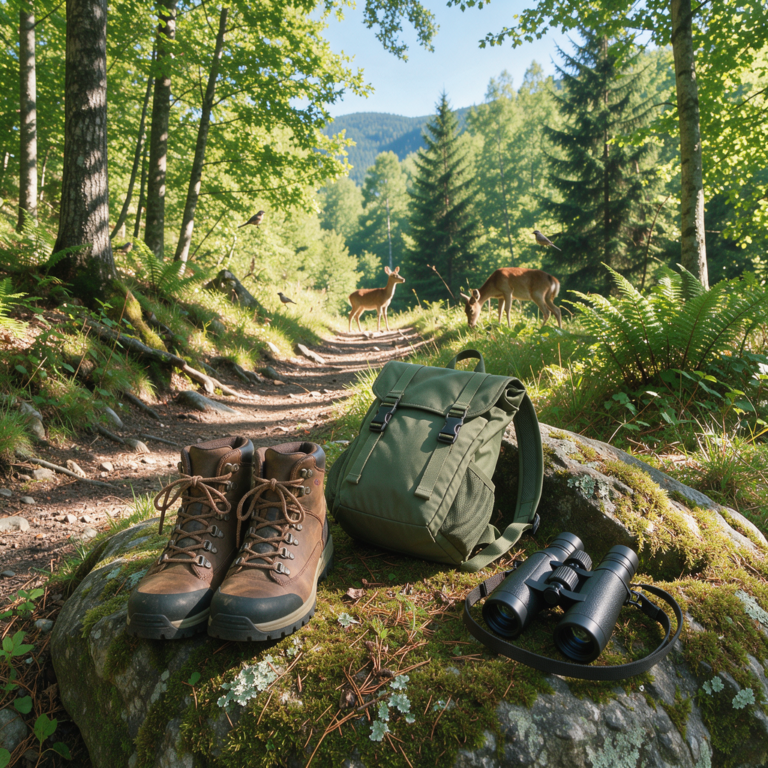
- Comfortable hiking shoes and nature-appropriate clothing
- Binoculars for wildlife spotting
- Snorkeling gear (mask, fins, eco-friendly sunscreen)
- Notebook or mobile app to record nature observations
Step-by-Step Guide to Planning an Island Nature Getaway
-
Step 1: Decide on Your Nature Interests
Identify what natural experiences excite you, such as wildlife tours or underwater adventures.
-
Step 2: Research Island Destinations
Compare islands, focusing on biodiversity, activities, and conservation reputation.
-
Step 3: Assess Sustainable Travel Options
Choose eco-certified businesses and transportation methods that minimize environmental impact.
-
Step 4: Plan Outdoor Activities and Tours
Book guided excursions with conservation-trained guides for hiking, diving, or wildlife watching.
-
Step 5: Prepare Your Travel Gear
Pack eco-friendly supplies and ensure your equipment is wildlife-safe.
-
Step 6: Finalize Your Accommodation and Transport
Reserve lodging and transport ahead of time, prioritizing green options and easy connections.
-
Step 7: Practice Responsible Travel During Your Trip
Respect nature, follow local rules, and engage in conservation activities wherever possible.
Common Challenges and Solutions
- Challenge: Difficult travel connections
Solution: Plan early, use local advice, and check transport schedules. - Challenge: Finding trusted eco-tours
Solution: Use review sites and conservation group recommendations. - Challenge: Packing light while staying eco-friendly
Solution: Choose multi-use items and only essentials.
Advanced Tips: Improving Your Island Nature Getaway
- Volunteer with local conservation efforts to deepen your impact.
- Learn basic phrases and customs to respect local cultures.
- Use apps to identify species and record nature observations.
- Travel outside peak seasons to protect habitats from overcrowding.
Summary: Key Points and Next Steps
- Islands offer unique opportunities for nature lovers—support conservation and eco-tourism.
- Choose your destination, activities, and gear responsibly.
- Respect local wildlife and habitats for a safe, meaningful adventure.
- Your next step: Pick an island, prepare your eco-friendly gear, and set off on your nature-focused escape!