
Discovering animals that play even after reaching adulthood is a fascinating journey into animal behavior. This guide explains how to identify these animals, why they play, how to observe them, and debunks common myths. Suitable for grade 9 students, this tutorial emphasizes clear steps, practical tips, and fun facts to guide your learning and exploration.
What Makes Adult Play Unique in the Animal Kingdom?
1. Definition of Play Behavior in Animals
Play behavior in animals is any activity done mainly for enjoyment and not for a direct survival purpose, like hunting or escaping predators. It includes chasing, wrestling, object manipulation, and even games with other species. Scientists look for actions that seem repetitive, voluntary, and often have no clear goal.
2. Importance of Play for Adult Animals
While play is common in young animals, some adults also continue to play. In adults, play can help animals stay fit, practice skills, maintain social bonds, and reduce stress. It also reflects intelligence and adaptability.
Top Animals That Play in Adulthood and How to Observe Them
3. Mammals That Exhibit Lifelong Playfulness
- Dolphins: Known for surfing waves, playing with seaweed, and engaging in cooperative games.
- Dogs: Domestic dogs retain puppy-like play behaviors throughout life, especially fetch and tug-of-war.
- Primates (e.g., Chimpanzees): Adult chimps engage in chasing games, tickling, and tool play.
- Elephants: Adults may play by splashing water, wrestling with each other, and playfully using their trunks.
To observe: Visit wildlife reserves, reputable zoos, or spot wild dolphins from a safe distance at the coast.
4. Birds Known for Adult Play Activities
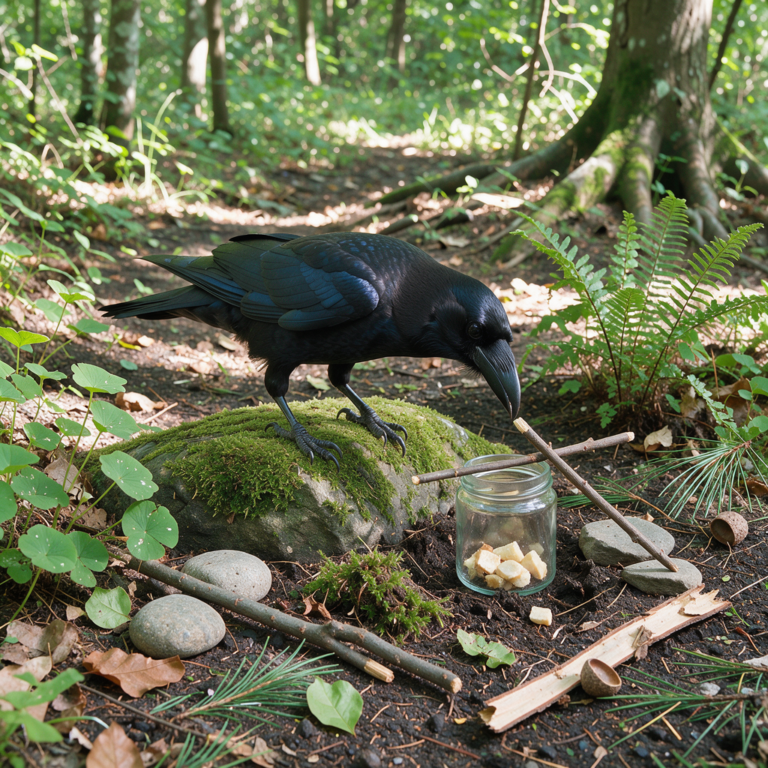
- Crows and Ravens: Use sticks as toys, slide on snow, and perform aerial acrobatics for fun.
- Parrots: Adult parrots swing, manipulate objects, and interact with human caretakers in playful ways.
To observe: Watch local birds with a pair of binoculars, or visit bird sanctuaries to see captive birds at play.
5. Unexpected Playful Reptiles, Fish, and Invertebrates
- Octopuses: Some have been seen playing with bottles and toys in aquariums.
- Turtles: They sometimes chase balls or interact with objects when kept as pets.
- Rays and Sharks: In captivity, some species play with floating objects.
To observe: Aquariums often provide special toys for these animals and sometimes film their play sessions.
The Science Behind Play: Why Do Some Animals Continue to Play as Adults?
6. Evolutionary and Biological Reasons
Some animals play as adults because it helps them survive and reproduce. For example, regular play can keep muscles strong, minds sharp, and social bonds intact.
7. Cognitive and Social Benefits
Adult play can lead to creative problem-solving and build stronger relationships within a group. Playful animals often have larger brains relative to their body size, which is linked to intelligence and flexibility in behavior.
How to Encourage and Safely Observe Play Behavior in Animals
8. Tips for Watching Playful Wildlife in Nature
- Use binoculars or a zoom camera to observe animals from a safe distance—never interfere with wild animals at play.
- Choose quiet times: Early morning or sunset is when many animals are active and playful.
- Stay motionless and quiet so you do not disrupt the animals' natural behavior.
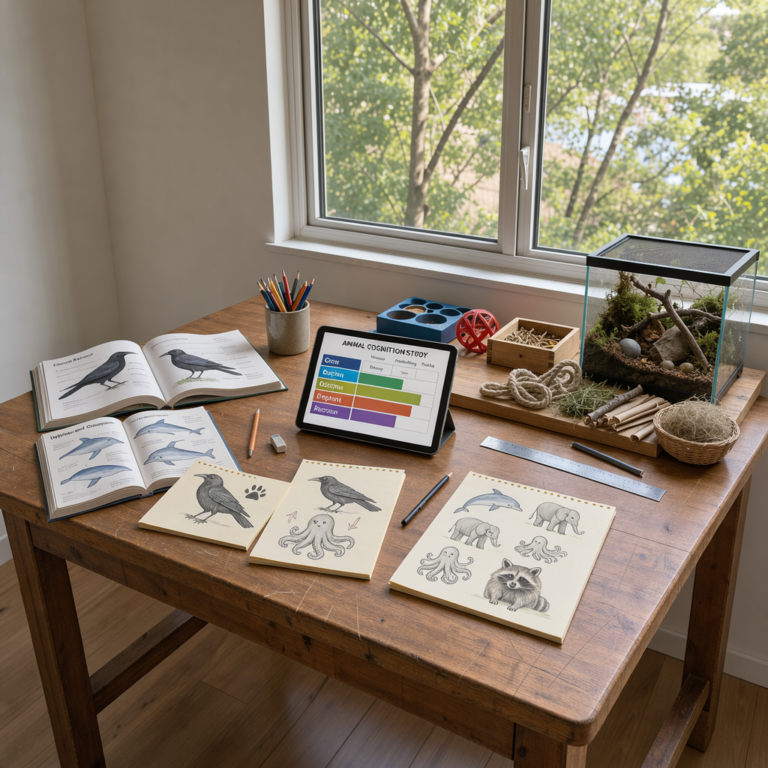
- Keep a field notebook to record the species, play behaviors, weather, and location.
9. Creating Enrichment for Pets and Captive Animals
- Provide safe, washable toys like balls, ropes, and puzzle feeders for pets.
- Rotate toys to keep animals interested and stimulated.
- For birds and small mammals, try introducing swings, tunnels, or foraging challenges.
- Observe how your animals use the toys and change them if they seem bored.
- Always check new toys for sharp edges or small parts that could be swallowed.
Common Myths and Misconceptions About Adult Animal Play
- Myth: Only young animals play. Truth: Many adults play to maintain social bonds and mental health.
- Myth: Wild animals never play—play is a pet thing. Truth: Many wild species play, such as wolves, dolphins, and magpies.
- Myth: Play is a waste of energy. Truth: Play can improve health and survival in many species.
Frequently Asked Questions About Adult Play in Animals
- Do all animals play in adulthood? No, but many mammals and birds, and some reptiles or invertebrates do, especially if they are intelligent or social.
- Is play behavior the same in all species? No, play looks different depending on the animal—some chase, others solve puzzles.
- How can I tell if my pet is playing? Look for repeated, joyous behavior with no clear survival purpose (e.g., chasing a ball, wrestling gently).
- Is animal play similar to human play? In some cases, yes—especially in intelligent animals that use tools, cooperate, or invent games.
Background and Value of Studying Adult Animal Play
Learning about animals that play as adults reveals insights into animal intelligence, emotional lives, and the evolution of social behavior. It also helps pet owners or zookeepers provide better enrichment and improves wildlife observation skills.
Preparation: Tools and Materials Needed
- Field notebook and pen
- Binoculars or camera with zoom
- Access to nature reserves, zoos, or aquariums
- Safe animal toys (for pet or captive animal observation)
Step-by-Step Tutorial: Observing and Understanding Adult Play Behavior
- Research Local Animals:
- Identify which mammals, birds, or other animals in your area are likely to play in adulthood.
- Use books, reliable websites, or ask local wildlife experts.
- Choose Observation Spots:
- Select locations with a high chance of seeing playful behavior (zoos, parks, coastlines).
- Seek advice from staff on the best observation times.
- Prepare Your Tools:
- Bring binoculars, a notebook, and snacks for comfort.
- Have a list of potential playful behaviors to watch for (chasing, object play, wrestling).
- Begin Observation:
- Stay patient and alert. Animals may not play on cue; give them time.
- Note details: time, weather, and any unique behavior observed.
- Record and Analyze:
- After your session, review your notes and compare with known examples of play.
- Share your findings with a teacher, club, or online community.
Common Problems and Solutions
| Problem | Solution |
|---|---|
| Don't see any play behavior | Try a different time of day, or choose sites with more visible animals |
| Animals seem stressed | Ensure you are not disturbing them; stay further away or reduce noise |
| Unsure if the animal is playing or fighting | Look for relaxed body language and repeated, gentle actions |
| Pets ignore toys | Try new types of toys or make activities interactive |
Advanced Tips: Optimizing and Improving Your Skills
- Join citizen science projects that study animal behavior.
- Film short clips of animals playing and share them with wildlife apps or clubs.
- Read scientific articles about animal behavior for deeper understanding.
- Try designing simple enrichment activities for pets and record results.
Summary: Key Points and Next Steps
- Many adult animals play for physical, social, and mental benefits.
- You can observe and encourage playing behavior with patience, the right tools, and ethics in mind.
- Dolphins, elephants, crows, and even some reptiles are playful beyond childhood.
- Understanding play helps us care for animals better and enjoy them more closely.
- Take the next step by visiting a zoo, joining a wildlife group, or starting your own animal behavior journal!