Understanding Animal Intelligence: Concepts and Misconceptions
What Is Animal Intelligence?
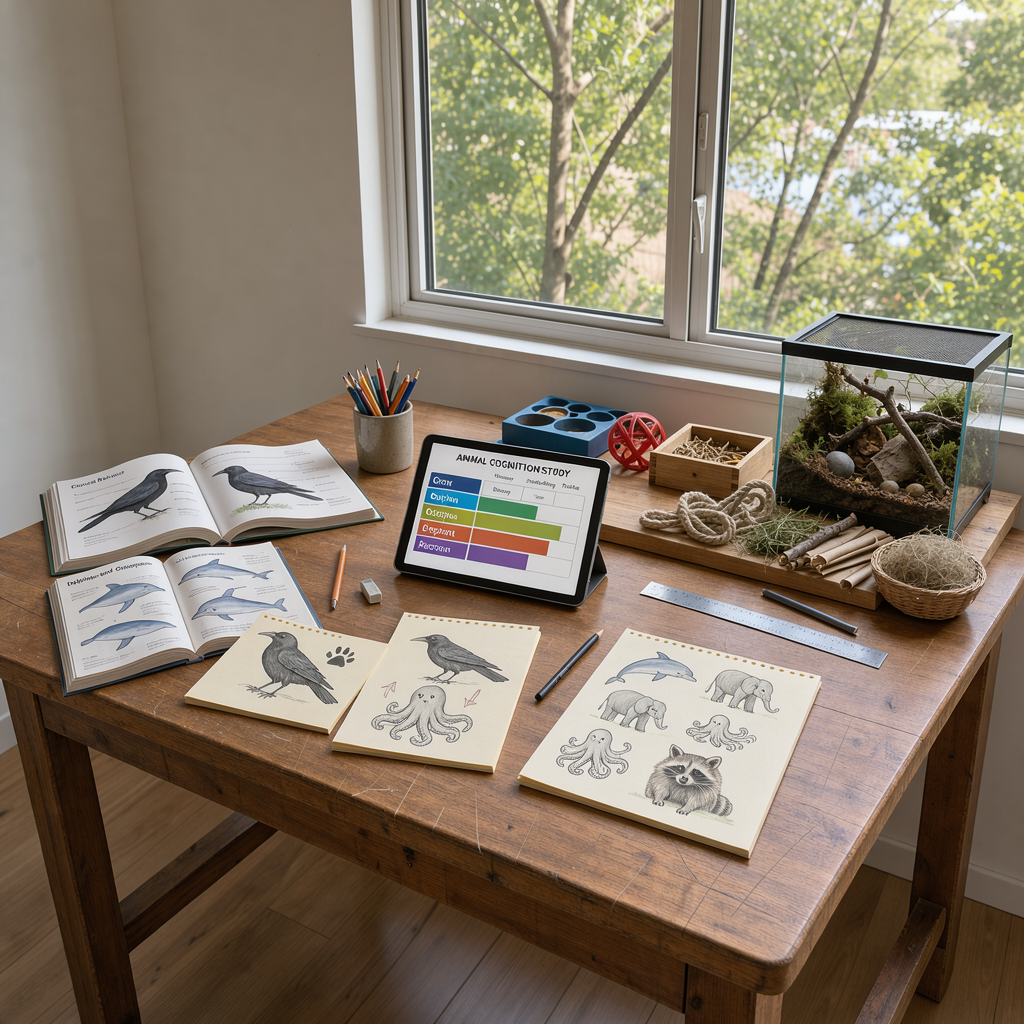
Animal intelligence is the ability of animals to learn, solve problems, communicate, and adapt to their environment. It is not just about how smart an animal is, but how it uses its brain to survive and thrive. Different animals show intelligence in different ways. For example, some animals can use tools, solve puzzles, or even remember complicated paths or sounds.
Popular Myths About Non-Primate Animal Intelligence
Many people believe only dogs, primates, or large mammals can be intelligent. This is a myth. Many animals outside these groups show amazing thinking skills. Some think birds are not smart, but crows and parrots prove this wrong. Insects are also often ignored, yet they have complex behaviors.
Surprising Examples of Animal Intelligence Outside Dogs and Primates
Avian Intelligence: Crows, Parrots, and Ravens
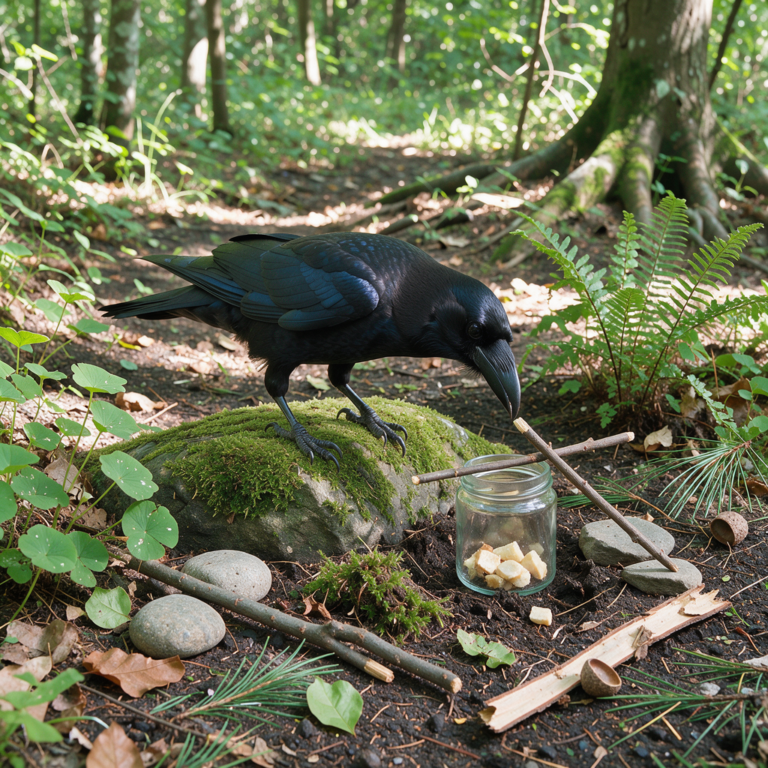
Crows can use tools and solve puzzles that require planning. Parrots can learn to mimic human speech and solve color and shape sorting tasks. Ravens have been observed using sticks to get food and remembering faces for years.
Marine Marvels: Dolphins, Octopuses, and Whales
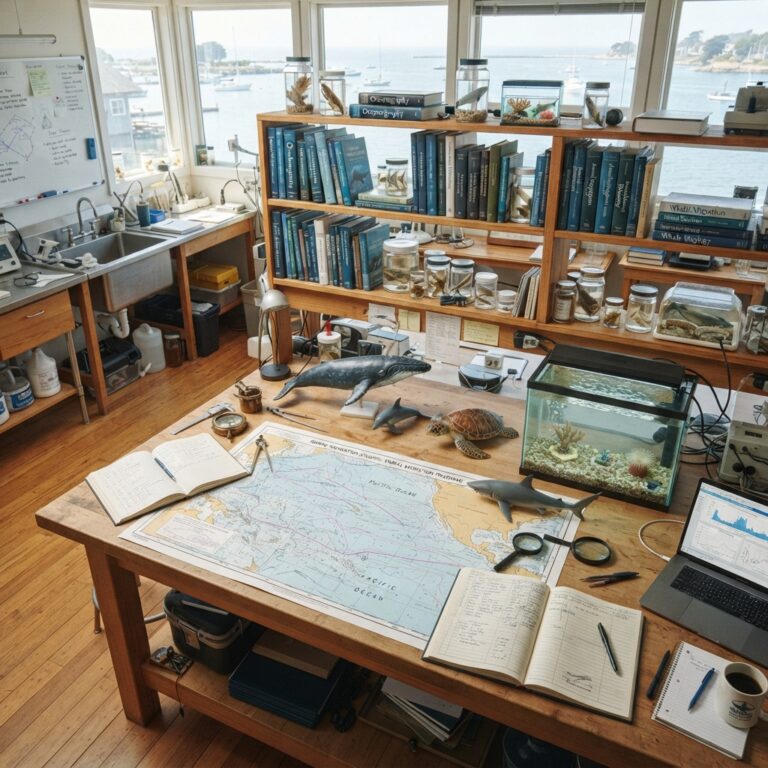
Dolphins can recognize themselves in mirrors, communicate with each other, and follow instructions. Octopuses open jars to get food and can escape from closed tanks. Whales use songs to talk with other whales thousands of kilometers away.
Insects With Insight: Bees, Ants, and Wasps
Bees communicate where to find food using a dance. Ants build large, organized colonies and solve problems together. Wasps can recognize faces of other wasps and remember them.
Mammals Beyond Primates: Elephants, Pigs, and Rats
Elephants understand teamwork and show empathy. Pigs can use mirrors to find hidden food. Rats learn complex mazes and remember solutions for long periods.
How to Identify and Measure Intelligence in Non-Primates
Key Behavioral Indicators and Cognitive Skills
- Problem solving: Can the animal figure out how to get food or escape a trap?
- Tool use: Does it use objects to help with tasks?
- Memory: Can it remember things for a long time?
- Communication: Does it send signals or messages to others?
- Social learning: Can it learn from watching others?
Simple Experiments You Can Try or Observe
- Maze Test: Build a simple maze using cardboard. See how quickly a rat or mouse learns to find the exit. Time each attempt and note improvements.
- Mirror Test: Place a mirror near a bird or dolphin (with professional guidance). Watch if they recognize themselves or react in a unique way.
- Puzzle Feeder: Make a food puzzle for a parrot or dog. See if they figure out how to get the treat.
Enhancing and Encouraging Animal Intelligence Responsibly
Enrichment Activities for Birds, Marine Animals, and Mammals
- Provide puzzle feeders to encourage problem-solving.
- Change the environment often to add mental challenges.
- Play interactive games to boost memory and learning.
Appropriate Training Techniques for Non-Primates
- Use positive reinforcement: reward correct actions with treats or praise.
- Break tasks into simple steps.
- Keep training sessions short and fun.
Ethical Considerations in Studying and Interacting with Intelligent Animals
- Always provide safe and comfortable environments.
- Never force animals to perform tasks they dislike.
- Respect animal needs and natural behaviors.
Common Questions About Animal Intelligence Beyond Dogs and Primates
- Q: Can birds really be as smart as dogs?
A: Yes! Some birds, like parrots and crows, can solve puzzles and use tools, showing intelligence similar to that of dogs. - Q: Are octopuses the smartest invertebrates?
A: Many scientists believe so. Octopuses show incredible problem-solving skills and memory. - Q: Can ants or bees learn from experience?
A: Yes. They use memories to find food and solve problems in their colonies. - Q: How do we measure animal intelligence fairly?
A: By using tasks suited to their natural abilities and avoiding human-centered tests.
Resources and Next Steps for Learning More About Animal Intelligence
- Read books and scientific articles about animal intelligence in nature centers or libraries.
- Watch documentaries focused on birds, marine life, and mammals beyond primates.
- Follow animal research news and experiments online from universities and animal-focused organizations.
- Join wildlife clubs or citizen science projects to observe animal behavior near you.
Problem Background and Tutorial Value
Many people only know about intelligence in dogs and primates. Discovering intelligence in other animals helps us respect and care for wildlife better. This guide teaches you how to observe, encourage, and understand intelligence in birds, marine creatures, insects, and other mammals. It also provides safe, ethical methods for exploring this exciting topic.
Preparation: Tools and Materials Needed
- Cardboard or safe containers (for mazes or puzzles)
- Mirrors (non-breakable, for observing self-awareness)
- Food treats or safe rewards (encouraging participation)
- Notebook and pencil (for recording behaviors)
- Access to animals (household pets, or wild animals from a safe distance)
Step-by-Step Tutorial: Exploring Animal Intelligence
-
Choose an Animal to Observe or Test
Pick a bird, small mammal, or insect that you can safely watch or interact with. Make sure it is safe for both you and the animal.
-
Select an Activity or Experiment
Decide what you want to try: mazes for memory, mirrors for self-recognition, or puzzle feeders for problem-solving.
-
Set Up the Environment
Prepare your maze, mirror, or puzzle in a place where the animal feels comfortable. Make it easy for the animal to see and reach the task.
-
Start the Experiment
Guide the animal to the area and watch its behavior. Do not force it. Let the animal explore at its own pace.
-
Record Observations
Write down how the animal approaches the challenge. Note the time, actions, and any problem-solving steps taken.
-
Repeat and Compare
If safe, repeat the task a few times and observe if the animal learns or improves. Compare behaviors between individuals or species if possible.
-
Reward Appropriately
Always reward positive behavior or effort with treats or praise, and never punish mistakes or disinterest.
-
Reflect and Share Your Findings
Think about what you learned. Share your results with friends, teachers, or online animal interest groups.
Common Challenges and Solutions
- Challenge: The animal is not interested in the task.
Solution: Try using a different reward or task better suited to the animal’s natural behaviors. - Challenge: Difficulty recording behaviors.
Solution: Ask someone to help or use a phone to record videos for later analysis. - Challenge: Not seeing clear signs of intelligence.
Solution: Be patient. Some animals need more time to show their skills. Try simpler tasks first.
Advanced Tips: How to Improve and Expand Your Study
- Research specific tasks that match the animal’s natural behaviors (for example, flying-related challenges for birds).
- Compare results between individuals or different species to spot unique skills.
- Observe wild animals in nature and look for planning, teamwork, or problem-solving in action.
- Read scientific papers to learn about new discoveries in animal intelligence beyond dogs and primates.
Conclusion: Key Takeaways and Next Steps
Non-primate animal intelligence is real and often surprising. By understanding and testing animal intelligence responsibly, you can help create a better world for animals and people. Continue learning, observing, and sharing your findings to inspire respect for all intelligent creatures, far beyond just dogs and primates.