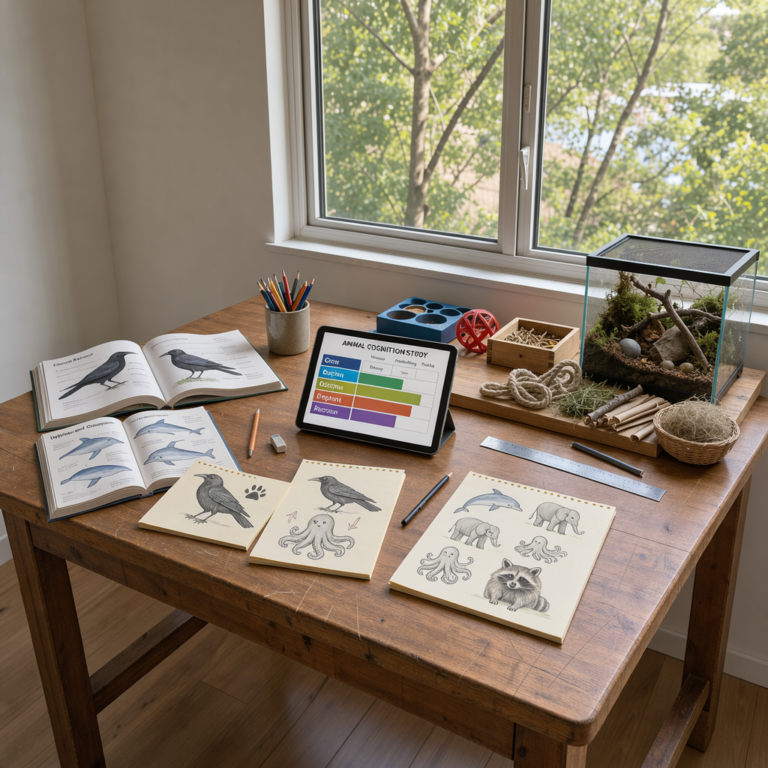
Wild animals with unexpected problem-solving skills are fascinating creatures. Learning how to recognize their clever abilities can deepen our respect for nature and reveal why intelligence matters for animal survival. This guide is designed for grade 9 students and anyone interested in animal behavior. You will find background information, necessary tools, step-by-step observing tips, common challenges, advanced strategies, and a helpful FAQ. Follow along to discover some of the most impressive thinkers in the wild!
What Makes Wild Animals Problem-Solving Experts?
Definition of Animal Problem-Solving Skills
Animal problem-solving skills refer to the ways animals find solutions to challenges in their environments. This includes using tools, learning from experience, adapting to new situations, and communicating with other animals. Unlike simple instincts, effective problem-solving requires reasoning, memory, and sometimes creativity.
Cognitive Abilities in the Wild
Some wild animals show complex cognitive abilities. These include planning ahead, understanding cause and effect, recognizing themselves in mirrors, and even teaching others. Such skills help animals survive and thrive where food, safety, and mates may not be easy to find.
Top 5 Wild Animals With Extraordinary Problem-Solving Skills
Ravens: Masters of Tool Use
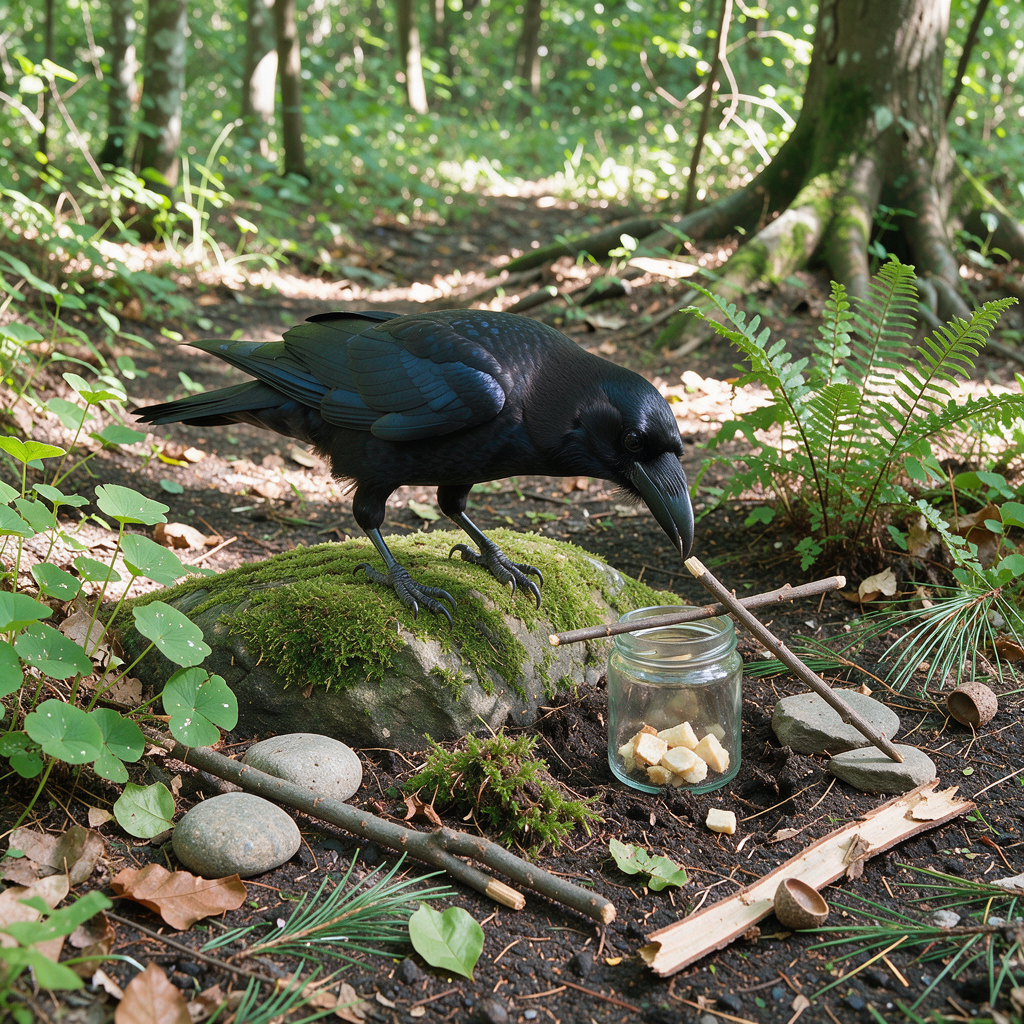
Ravens are among the smartest birds on Earth. They use sticks to extract insects from tree bark, drop nuts onto roads for cars to crack, and solve puzzles in laboratory settings. Their flexible thinking helps them find food and outsmart predators.
Dolphins: Underwater Innovators
Dolphins have been observed using marine sponges to protect their beaks while hunting on the seafloor. They can learn new tricks quickly and communicate with complex sounds. Dolphins also work together to herd fish, showing teamwork and strategy.
Elephants: Memory and Manipulation
Elephants remember the locations of water holes and use this knowledge to lead their herds during droughts. They have also been seen using branches to swat insects and plugging water holes with grass to save water for later.
Octopuses: Escape Artists of the Sea
Octopuses solve mazes, open jars to access food, and escape tight spaces in their habitats. Their flexible bodies allow them to manipulate objects, demonstrating both intelligence and dexterity.
Orangutans: Jungle Engineers
Orangutans use sticks to fish for insects or extract seeds, and they build complex sleeping nests in trees. Their ability to learn by watching others showcases advanced problem-solving and imitation skills.
Surprising Recent Discoveries (2026): New Problem-Solving Animals Revealed
Case Studies and Field Experiments
Recent scientific studies have revealed unexpected intelligence in animals such as crows crafting hooks, wild pigs using tools, and even some fish recognizing themselves in mirrors. Field experiments often use problem-solving puzzles to test these abilities, such as food hidden in boxes or obstacles that must be removed.
Behaviors Caught on Camera
Motion-activated cameras and hidden observation equipment have captured wild animals stacking rocks, using leaves as fishing bait, or opening containers. These candid moments provide strong evidence of creative thought and learning in the wild.
How to Observe and Identify Problem-Solving in Wild Animals
Signs of Advanced Intelligence in the Wild
- Use of tools (sticks, rocks, leaves, sponges)
- Solving puzzles (opening shells, moving objects)
- Imitate behaviors seen in other animals or humans
- Innovative hunting and foraging techniques
- Navigation of complex environments
- Social cooperation to achieve goals
Best Practices for Ethical Observation
- Keep a safe distance to avoid disturbing the animals.
- Do not feed or interact with wildlife.
- Use binoculars or cameras for better viewing.
- Stay quiet and move slowly.
- Record observations but avoid altering the animal’s environment.
Why Problem-Solving Skills Matter for Animal Survival
Adaptation in Changing Environments
Animals with advanced problem-solving skills can adapt to new dangers, food shortages, and environmental changes. They find creative solutions that help them survive when others might not.
Evolutionary Advantages Explained
Problem-solving animals are more likely to pass on their genes because they can secure food, avoid predators, and care for their offspring more effectively. Over time, these abilities become common in the species.
Tips for Supporting Wildlife Intelligence as an Observer or Researcher
Citizen Science and Data Collection
- Join wildlife observation projects and share your findings.
- Use notebooks or digital apps to record animal behavior.
- Respect project guidelines for data accuracy and privacy.
- Upload photos or videos to wildlife databases.
Avoiding Disruption to Natural Behavior
- Never lure animals with food or props.
- Do not chase or corner wildlife for photos.
- Minimize your presence and impact on the habitat.
FAQ: Wild Animals With Unexpected Problem-Solving Skills
- Q: Can any animal learn problem-solving skills?
A: Most animals have some ability to learn, but problem-solving is most advanced in species with larger brains and social behaviors. - Q: How can I safely watch animals in the wild?
A: Use binoculars, stay quiet, and keep your distance to avoid stress or danger for both you and the animal. - Q: What are some signs an animal is solving a problem?
A: Look for tool use, repeated attempts to solve a puzzle, or copying solutions from others. - Q: Why do scientists care about animal intelligence?
A: Studying animal problem-solving helps us understand evolution, animal welfare, and how to protect endangered species.
Background and Tutorial Value
Understanding wild animal intelligence teaches us how adaptable and creative animals can be. Recognizing these skills helps researchers, conservationists, and nature lovers appreciate the wonders of wildlife. This guide offers a step-by-step approach to observing these behaviors and provides tips to support ethical research and conservation.
Preparation: Tools and Materials Needed
- Binoculars or spotting scope
- Field notebook and pencil, or mobile app for recording notes
- Camera or motion-activated trail camera (optional)
- Comfortable outdoor clothing and shoes
- Local wildlife guidebook or animal behavior reference
- Patience and curiosity!
Step-by-Step Tutorial: How to Spot Problem-Solving Skills
-
1. Choose Your Location
Select a natural area known for diverse animal life, such as forests, lakes, or coastlines. Check local regulations and access rules.
-
2. Gather Observation Tools
Pack your binoculars, notebook, field guide, and camera. Dress for the weather and prepare for a quiet, patient observation session.
-
3. Learn Common Behaviors
Use your guidebook to study which problem-solving behaviors are typical for local species. This helps you recognize interesting actions when you see them.
-
4. Stay Quiet and Watch Closely
Find a comfortable spot with a good view. Stay still and quiet, allowing animals to act naturally. Use binoculars to examine details.
-
5. Record Observations Systematically
Note the time, weather, species, and observed behavior. Pay special attention to tool use, teamwork, or creative hunting strategies.
-
6. Compare and Reflect
After your session, compare notes with reference books or online resources. Look for patterns or unique behaviors.
-
7. Share Discoveries and Respect Wildlife
Share interesting findings with teachers, researchers, or citizen science groups. Always leave the site as you found it.
Common Challenges and Solutions
| Challenge | Solution |
|---|---|
| Animals remain hidden or out of sight | Visit at dawn or dusk when animals are most active; stay patient |
| Difficulties telling behaviors apart | Review video guides; consult experts or online forums |
| Poor weather conditions | Wear appropriate gear, reschedule if possible, protect equipment |
| Unintentional disturbance | Maintain distance, use natural cover, avoid quick movements |
| Recording inaccurate data | Double-check entries, use photos/videos as backups |
Advanced Tips: Optimizing Your Observation Skills
- Study animal tracks and signs to focus your search on active areas.
- Set up motion-activated cameras at known wildlife paths for hidden behaviors.
- Participate in local animal tracking workshops or online courses to improve identification skills.
- Keep a long-term log to spot seasonal changes in problem-solving behaviors.
Summary: Key Takeaways and Next Steps
Wild animals with unexpected problem-solving skills show us the wonders of animal intelligence and adaptation. By learning to observe these behaviors ethically and effectively, we can support science and wildlife conservation. Start with good tools, patient observation, and respect for animal habitats. Share your findings and keep exploring – your next discovery could contribute to our understanding of the amazing problem-solvers in the wild!