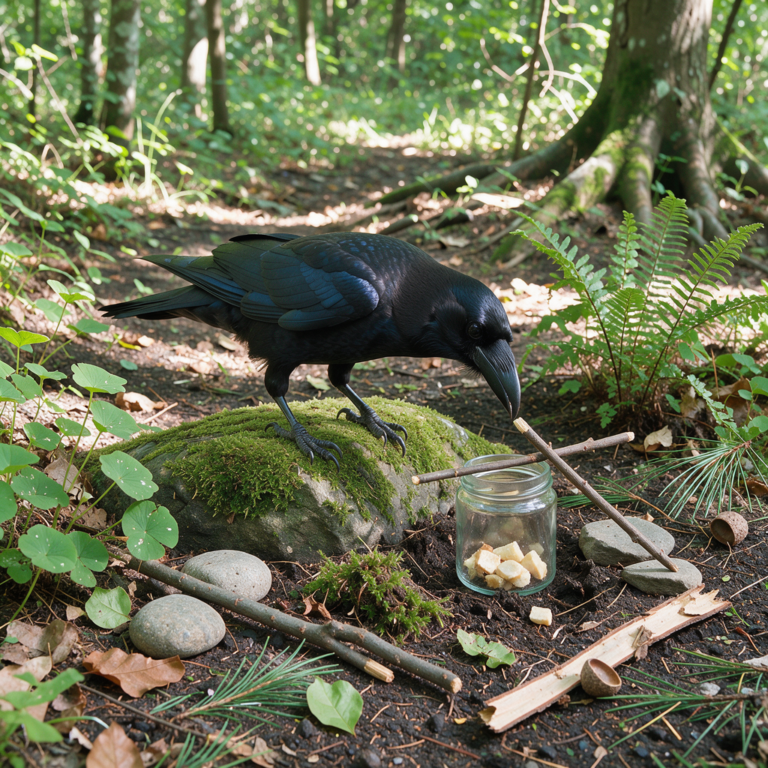

Introduction to Species with Lifelong Family Bonds
What Are Lifelong Family Relationships in Animals?
Lifelong family relationships in animals mean members of a group stay together throughout their lives. They cooperate, share resources, and raise young together. These strong family bonds help animals survive and adapt to their environment.
Why Family Structure Matters for Species Survival
Family structures offer protection, teach younger members, and increase chances of survival. Groups can solve problems together and defend each other from threats. These relationships help species thrive, especially when facing challenges like predators or habitat loss.
Top Species Known for Lifelong Family Relationships
Elephants: Matriarchal Societies and Generational Bonds
Elephants are famous for their strong family ties. A female, called the matriarch, leads the group. They care for young, mourn losses, and protect each other. Generations often live together, sharing wisdom and care.
Wolves: Pack Loyalty and Cohesive Family Units
Wolves live in packs led by an alpha pair. The pack consists mostly of their offspring. They hunt together, care for pups, and defend territory as a team. Loyalty and cooperation keep the pack strong.
Orcas: Pods and Multigenerational Living
Orcas (killer whales) live in pods. These groups include mothers, grandmothers, and offspring. Orcas communicate and hunt cooperatively. Older members guide and teach the young, creating multigenerational bonds.
Gibbons: Monogamy and Parental Involvement
Gibbons form lifelong pairs and raise their young together. Family units include parents and offspring. Adults show strong monogamous bonds and spend much time caring for their young.
African Grey Parrots: Social Intelligence and Family Groups
African Grey Parrots are highly intelligent. They stay in small family groups and develop complex social behaviors. Parents, siblings, and other relatives cooperate and communicate using vocalizations.
Key Behaviors That Support Lifelong Family Relationships
Communication Strategies Within Animal Families
Animals use sounds, gestures, and body language to share information. For example, elephants make low rumbles, wolves howl, and parrots use vocal mimicry. Effective communication helps solve problems and protect the group.
Cooperative Care and Alloparenting
Alloparenting means other group members help care for the young. Elephants, wolves, and orcas all practice this. It increases the survival rate of young and relieves the main parent’s burden.
Conflict Resolution and Social Hierarchies
Family groups have rules and leaders, like matriarchs in elephant herds or alpha pairs in wolf packs. Animals resolve conflicts through displays, vocalizations, and sometimes gentle touch. Clear hierarchies ensure peace and order.
How to Observe Species with Lifelong Family Relationships in the Wild and Captivity
Ethical Wildlife Observation Practices
Always respect animals’ space. Use binoculars or cameras rather than approaching. Never disturb nesting or feeding areas. In captivity, avoid loud noises or sudden movements. Observing quietly keeps animals comfortable and safe.
Recommended Destinations and Conservation Centers
- Visit national parks like Serengeti (elephants) or Yellowstone (wolves).
- Aquariums and marine conservation centers often feature orca pods.
- Zoos with primate habitats can showcase gibbon family units.
- Bird conservation organizations may have African Grey Parrot groups.
How to Support and Protect Animals with Family Bonds
Conservation Efforts for Social Species
Support organizations that protect habitats. Encourage anti-poaching laws and sustainable practices. Assist research and rescue projects focused on social species. Conservation ensures family groups survive for future generations.
How Individuals Can Help (Volunteering, Advocacy, Responsible Tourism)
- Volunteer at wildlife reserves or animal shelters.
- Advocate for animal protection laws and ethical treatment of captive animals.
- Choose eco-friendly tours that respect animal welfare and habitats.
- Educate others about the importance of family bonds in animal survival.
Lessons Humans Can Learn from Species with Lifelong Family Relationships
Resilience Through Social Bonds
Animal species with strong family ties show resilience in tough times. Humans, too, benefit from supportive relationships when facing challenges. Teamwork helps individuals survive and grow.
Empathy and Cooperative Living
Observing cooperative care teaches empathy. Animals share duties, protect weaker members, and solve conflicts peacefully. Humans can learn to cooperate and show understanding within families and communities.
FAQs About Species Known for Lifelong Family Relationships
- Why do some animals form lifelong family groups? Family bonds improve survival, help raise young, and offer protection.
- Can animals recognize family members for life? Yes, many species can identify relatives even after years apart.
- How can I see these animals responsibly? Join guided tours, follow park rules, and never disturb animal families.
- How does human activity threaten family groups? Habitat loss, pollution, and hunting break up family units. Supporting conservation helps protect them.
Step-by-Step Tutorial: Observing and Supporting Species with Lifelong Family Relationships
Step 1: Research Target Species and Their Habitats
Gather information about the animal species you wish to observe or support. Use books, documentaries, or trusted websites. Learn about their family structures and locations.
Step 2: Prepare Tools and Materials
- Binoculars or camera
- Notebook for observations
- Field guides for species identification
- Maps of conservation areas or reserves
- Comfortable clothing suitable for the environment
- Ethical wildlife observation guidelines
Step 3: Plan Ethical Observation or Support Activities
- Choose destinations with conservation values.
- Contact local conservation centers ahead.
- Join guided tours led by experts.
- Follow all rules and respect animal boundaries.
Step 4: Observe Key Family Behaviors
- Identify leaders and social structure (matriarch, alpha pair).
- Watch for communication (sounds, gestures).
- Note cooperative care and conflict resolution.
- Record observations in your notebook.
Step 5: Take Action to Support Family-Bonded Species
- Donate to conservation groups.
- Volunteer for habitat restoration projects.
- Advocate for policies that protect family groups.
- Educate your community with your findings.
Step 6: Share Observation and Support Stories
- Write blogs or articles on your experience.
- Join discussions and forums about animal families.
- Help raise awareness about the importance of lifelong family bonds in wildlife.
Common Questions and Troubleshooting
- What if animals are hard to observe? Use patience, choose times when animals are active, and seek expert guidance.
- What if your actions disturb wildlife? Stop immediately, withdraw quietly, and review ethical guidelines before resuming.
- How to find reliable conservation projects? Research online reviews, check for accreditation, and contact organizations directly.
Advanced Tips for Optimizing Your Activities
- Keep a detailed journal of behaviors and observations.
- Build partnerships with local scientists for deeper insights.
- Participate in citizen science projects.
- Use technology like animal tracking apps for more data.
- Share findings with schools and conservation groups.
Summary: Key Points and Next Steps
Species with lifelong family relationships include elephants, wolves, orcas, gibbons, and African Grey Parrots. These animals rely on family bonds for survival, cooperation, and resilience. Supporting these species requires ethical observation, active conservation, and sharing knowledge. Next steps include spreading awareness, volunteering, and engaging in responsible tourism. Learning from animal families helps humans build empathy and strong communities.