Plan Backyard Projects That Make Home Feel Like a Retreat
1. Define Your Ideal Backyard Retreat Experience
Think about what makes you feel relaxed. Do you want a place for reading, entertaining, or gardening? List the features that matter most, like privacy, shade, or comfortable seating. This shapes your project goals.
2. Assess Your Backyard’s Space, Sunlight, Drainage, and Privacy
Check the size and layout. Note sunny and shady spots, drainage patterns, and how private the space is. Use a sketch or app to map these details before starting any project.
3. Set a Realistic Backyard Project Budget
Estimate what you can spend. Write down costs for furniture, plants, tools, and materials. Include a small extra fund for surprises.
4. Create a Backyard Retreat Layout by Zones
Divide your backyard into zones like lounge, dining, garden, and play. Set boundaries using plants, paths, or screens for maximum comfort.
5. Prioritize Projects by Impact, Cost, and Difficulty
List projects based on what adds comfort first, what fits your budget, and what you can build with your skills. Start with the easiest and most impactful.
Create a Private Outdoor Retreat With Screening and Landscaping
1. Choose Privacy Trees, Shrubs, Grasses, and Vines
Select plants such as arborvitae, bamboo, or climbing vines for greenery and privacy. Research what grows well in your climate and space.
2. Build a Simple Privacy Screen or Slatted Wall
Use materials like wood, PVC, or metal to make a privacy wall. Follow a step-by-step plan: measure, cut, assemble, and secure the screen.
3. Use Trellises and Planters to Define Retreat Areas
Install trellises for vines or tall planters to create visual boundaries. Arrange them where you need privacy or want to separate zones.
4. Layer Plants for Year-Round Privacy
Combine evergreens, deciduous shrubs, and ornamental grasses. Place taller plants at the back, shorter ones in front for a natural look.
5. Avoid Common Privacy Landscaping Mistakes
Don’t plant too close together—plants need space to grow. Avoid fast-growing plants that may become unruly. Research local regulations for heights and placement.
Build a Comfortable Backyard Lounge Area
1. Choose Weather-Resistant Outdoor Furniture
Pick furniture made from aluminum, teak, or all-weather wicker. Check for UV-resistant fabrics and quick-dry cushions to withstand the elements.
2. Arrange Seating for Conversation and Relaxation
Set up chairs and sofas in a circular or semi-circular layout. Place side tables for drinks and books. Test different arrangements before settling on one.
3. Add Outdoor Rugs, Cushions, and Textiles
Use mildew-resistant rugs and colorful cushions. These make the area cozy and comfortable, just like an indoor room.
4. Create Shade With a Pergola, Canopy, or Umbrella
Install a pergola or buy a portable umbrella. Canopies are another option for larger shade. Anchor them securely for windy conditions.
5. Design a Low-Maintenance Lounge That Feels Like an Indoor Room
Choose washable fabrics and furniture that resists weather. Use storage boxes to keep cushions dry and clean when not in use.
Install a Backyard Fire Feature for Evening Retreats
1. Compare Fire Pits, Fire Tables, and Built-In Fireplaces
Fire pits are portable and simple. Fire tables offer style and function. Built-in fireplaces are permanent and more expensive. Choose based on space and budget.
2. Select a Safe Location and Noncombustible Base
Keep fire features away from the house, trees, and fences. Use stone, concrete, or gravel as a base. Check regulations for minimum distances.
3. Choose Wood-Burning or Propane Fuel
Wood burns naturally but needs cleaning. Propane is clean and easy to use. Choose based on convenience and local fire rules.
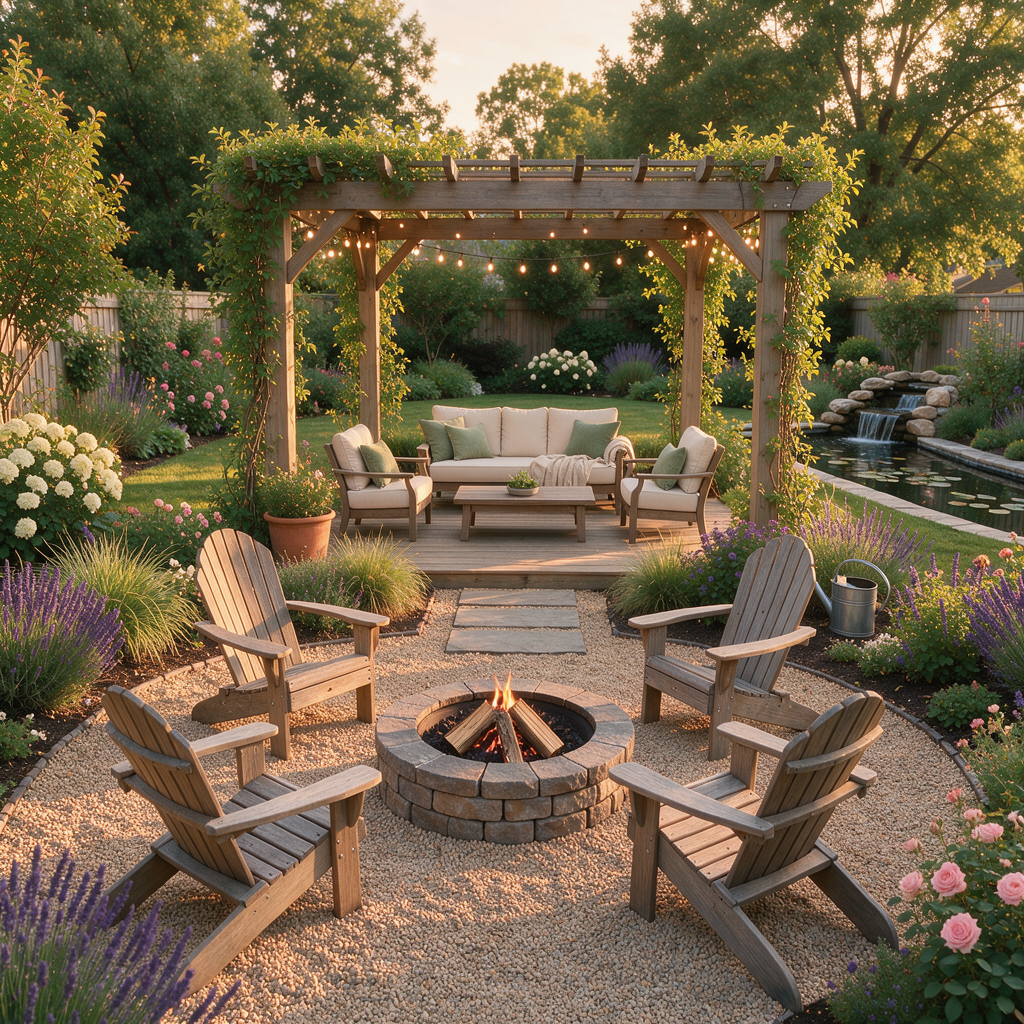
4. Add Seating and Lighting Around the Fire Feature
Arrange seats in a circle for warmth and conversation. Use lanterns or solar lights for safe, inviting lighting.
5. Follow Local Fire, Property, and Safety Requirements
Check city codes about open flames. Get permits if needed. Always keep fire extinguishers or water nearby.
Add Outdoor Lighting That Makes the Backyard Feel Like a Retreat
1. Use Layered Lighting for Paths, Seating, and Plants
Combine spotlights, path lights, and accent lights to highlight features. Layers reduce shadows and create depth.
2. Install String Lights, Lanterns, and Wall Sconces
Hang string lights between trees or posts. Use battery or solar-powered lanterns. Wall sconces work well near doors or patios.
3. Highlight Trees, Architectural Features, and Water Elements
Use spotlights to shine upward on trees or water features. This draws attention and adds drama.
4. Choose Low-Voltage, Solar, or Smart Outdoor Lighting
Low-voltage lighting is safe and easy. Solar lights are sustainable and simple. Smart systems let you control lights from your phone.
5. Prevent Glare and Preserve a Relaxing Nighttime Atmosphere
Use softer lights for seating areas. Avoid direct light in eyes. Position lights behind plants or objects for a warm glow.
Build a Small Backyard Patio or Outdoor Living Platform
1. Choose Between Pavers, Gravel, Concrete, Decking, and Stone
Pavers offer flexibility and style. Gravel is budget-friendly and easy to install. Concrete is durable. Decking provides a wood look. Stone is natural but costly.
2. Prepare the Site With Proper Grading and Drainage
Mark the area and remove grass. Level the ground and slope slightly for drainage. Add landscaping fabric to prevent weeds.
3. Create a Stable Foundation for Outdoor Furniture
Lay a base of gravel or sand. Compact it well. Place pavers, decking, or concrete on top for stability.
4. Add Edging and Transitions Between the Patio and Yard
Use stone, brick, or metal edging to separate the patio and lawn. This keeps debris out and makes the space look polished.
5. Estimate Materials, Labor, and Installation Time
List needed materials and tools. Calculate costs and time. Simple patios can be finished in a weekend; complex ones may take longer.
Create a Backyard Water Feature for a Calmer Atmosphere
1. Choose a Container Fountain, Pond, Stream, or Wall Feature
Container fountains are easy for beginners. A pond or stream needs more planning. Wall features are stylish and space-saving.
2. Install a Beginner-Friendly Container Water Feature
Buy a kit or use a large pot. Add a pump, fill with water, and decorate with stones. Place it where you can enjoy the sound.
3. Control Water Noise, Splashing, and Evaporation
Adjust pumps for gentle water flow. Use a wider container to prevent splashing. Cover with mesh or stones to slow evaporation.
4. Add Aquatic Plants and Natural Materials
Plant water lilies, papyrus, or rushes. Use rocks, moss, and driftwood for a natural look.
5. Maintain Water Quality and Prevent Mosquitoes
Keep water moving to deter mosquitoes. Clean the container monthly. Add safe water treatments if needed.
Design a Backyard Dining and Cooking Retreat
1. Plan an Outdoor Dining Area Near the Kitchen
Place tables and chairs close to the house for easy access. Use pavers or decking for a stable surface.
2. Build a Simple Outdoor Kitchen or Grill Station
Set up a grill, prep table, and food storage. Use weatherproof materials like stainless steel or stone.
3. Add Counter Space, Storage, and Weather Protection
Build or buy storage cabinets and counters. Add a canopy or roof for shade and rain protection.
4. Select Durable Dining Furniture and Serveware
Choose furniture made for outdoors. Use sturdy plates and glasses that can withstand drops and temperature changes.
5. Improve Outdoor Cooking Safety and Convenience
Install fire extinguishers nearby. Make sure gas and electrical lines follow codes. Keep tools and cleaning supplies on hand.
Build a Backyard Garden That Feels Restorative
1. Choose Between a Vegetable Garden, Herb Garden, and Flower Garden
Decide what you enjoy most: growing food, herbs, or flowers. Pick raised beds for easy access or containers for flexibility.
2. Create Raised Beds, Container Gardens, or Vertical Gardens
Build raised beds from wood or metal. Use pots or vertical planters for smaller spaces. Fill with soil and compost.
3. Select Plants for Color, Fragrance, Texture, and Wildlife
Mix perennials, annuals, and fragrant herbs. Add plants that support bees and butterflies for a lively retreat.
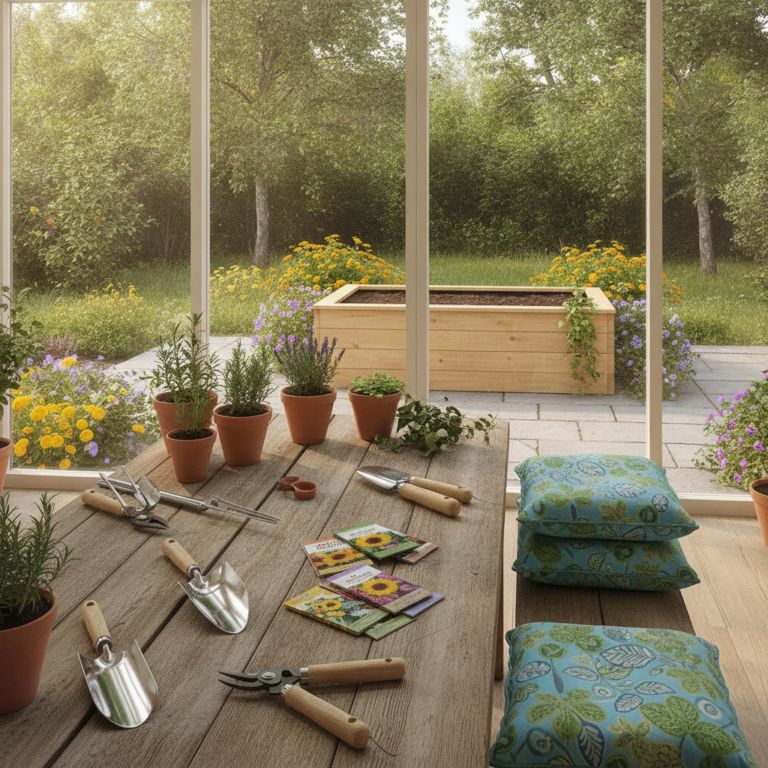
4. Add a Potting Bench or Garden Workstation
Install a bench for repotting and organizing tools. Keep it near the garden for easy access.
5. Make the Retreat Garden Easier to Water and Maintain
Install drip irrigation or use self-watering pots. Mulch beds to retain moisture and reduce weeding.
Add a Relaxation-Focused Backyard Feature
1. Create a Hammock, Daybed, or Reading Nook
Hang a hammock between two trees or posts. Set up a daybed or chair in a quiet corner.
2. Build an Outdoor Yoga, Meditation, or Stretching Area
Lay down outdoor mats or pavers. Surround with privacy screens and plants for calm.
3. Install an Outdoor Shower or Rinse Station
Connect piping to a hose or water line. Use wooden flooring and screens for privacy. Ensure drainage flows away from the house.
4. Design a Backyard Sauna, Soaking Tub, or Cold-Plunge Area
Research portable kits for saunas or tubs. Place them on a stable base. Always check electrical and drainage requirements.
5. Balance Comfort, Privacy, Drainage, and Maintenance
Combine soft furnishings, screens, and easy-to-care materials for spaces you’ll want to use daily.
Make Small Backyard Projects Feel High-End
1. Refresh Fences, Gates, and Exterior Walls
Paint or stain fences and gates. Repair cracks or damage. Choose neutral or coordinated colors for elegance.
2. Add Built-In Benches and Hidden Storage
Build benches with storage underneath for cushions or tools. Use waterproof materials for durability.
3. Use Coordinated Materials and a Consistent Color Palette
Choose matching materials like wood or metal. Stick to a few colors for a unified look.
4. Incorporate Natural Textures Such as Wood, Stone, and Woven Fiber
Use wooden elements, stone borders, and baskets. These add luxury and comfort.
5. Add Small Details That Improve Everyday Comfort
Install hooks for towels or tools. Add side tables and soft lighting for practical ease.
Organize Backyard Projects That Make Home Feel Like a Retreat by Difficulty
1. One-Day Backyard Projects for Instant Improvement
- Install string lights
- Set up an outdoor rug
- Arrange planters or pots
- Hang a hammock
2. Weekend Backyard Projects for Noticeable Transformation
- Build a fire pit
- Create a raised garden bed
- Install a simple privacy screen
- Lay a gravel patio
3. Multi-Week Backyard Projects for Outdoor Living Areas
- Construct a deck
- Install a pond
- Build an outdoor kitchen
- Create a multi-zone retreat
4. Projects Best Left to Licensed Professionals
- Install large decks or patios
- Connect plumbing for showers or tubs
- Set up electrical for outdoor lighting
- Build permanent fireplaces
Build Backyard Projects Safely and Responsibly
1. Check Permits, Setbacks, Utilities, and Property Boundaries
Always check local codes for permits. Mark utility lines before digging. Respect property lines.
2. Plan for Drainage, Stormwater, and Soil Stability
Ensure water flows away from the house. Add drainage pipes or gravel where needed.
3. Use Appropriate Tools and Personal Protective Equipment
Wear gloves, goggles, and sturdy shoes. Use safe, reliable tools. Follow instructions for all equipment.
4. Choose Fire-Safe, Weather-Resistant, and Nontoxic Materials
Select outdoor-rated materials. Avoid chemicals that may harm pets or wildlife.
5. Make the Backyard Accessible for All Household Members
Use ramps, wide paths, and firm surfaces. Ensure seating and spaces can be used by everyone.
Create a Backyard Retreat on Different Budgets
1. Low-Cost Backyard Projects Under $500
- Paint fences
- Install solar lights
- Plant shrubs
- Hang a hammock
2. Mid-Range Backyard Projects From $500 to $2,500
- Build a small patio
- Add a fire pit
- Set up a lounge area
- Install a fountain
3. High-Impact Backyard Projects Above $2,500
- Construct a deck or outdoor kitchen
- Install a sauna or hot tub
- Landscape the entire retreat zone
4. Reduce Costs Without Sacrificing Comfort or Durability
DIY simple tasks. Reuse materials. Choose durable but affordable options. Shop sales and second-hand for furniture.
Maintain Backyard Projects That Make Home Feel Like a Retreat
1. Create a Weekly and Seasonal Maintenance Checklist
List tasks like watering, cleaning, and checking lights. Update with seasonal chores like preparing for winter or spring.
2. Protect Outdoor Furniture, Fabrics, and Wood
Cover or store furniture in bad weather. Use weatherproof covers and treat wood annually.
3. Clean Fire Features, Water Features, and Outdoor Cooking Areas
Scrub grills and fire pits after use. Rinse fountains and change water regularly.
4. Prepare Plants, Pipes, and Materials for Extreme Weather
Mulch beds for cold, drain pipes before frost, and secure loose items before storms.
5. Update the Retreat as Household Needs Change
Add or remove features as needed. Rearrange furniture and replace plants for variety.
FAQ About Backyard Projects That Make Home Feel Like a Retreat
What Is the Best Backyard Project for Creating a Retreat Quickly?
String lights, cozy seating, and potted plants give instant retreat vibes.
How Can a Small Backyard Feel Like a Private Retreat?
Use screens, vertical gardens, and layered lighting to make a small space feel private and cozy.
Which Backyard Projects Add the Most Comfort and Usability?
Lounge areas, dining zones, and water features boost comfort and use the most.
What Backyard Retreat Projects Are Easiest for Beginners?
Planting shrubs, hanging lights, and building a gravel patio are simple starter projects.
How Much Should a Backyard Retreat Project Cost?
Projects range from under $500 to over $2,500. Start small and expand as you wish.
How Can Backyard Projects Require Less Maintenance?
Choose durable materials, install drip irrigation, and use mulch for easier upkeep.
Which Backyard Projects Usually Require Permits?
Major construction like decks, kitchens, or fire features often need permits. Check local codes before building.