Why Outdoor Hobbies Transform Your Weekends
Physical & Mental Health Benefits
Outdoor hobbies are excellent for both body and mind. Activities like hiking, cycling, or gardening help increase physical fitness and improve cardiovascular health. They also reduce stress, boost mood, and may sharpen your focus. Being in nature provides fresh air and sunlight, which encourages relaxation and positive thinking.
Breaking the Routine: Escaping the Indoors
Spending time outside breaks up the monotony of staying indoors. Outdoor hobbies give you a change of scenery and help you discover new interests. Whether you explore local parks, try urban exploration, or simply relax in your backyard, weekends feel more lively and refreshing.
How to Choose the Best Outdoor Hobby for You
Assessing Your Interests and Skill Level
Start by thinking about what you enjoy. Do you like adventure or quiet activities? Try hobbies that match your personality and skill. Beginners might pick hiking or gardening, while those seeking thrills could try cycling or water sports.
Time, Budget, and Accessibility Considerations
Evaluate how much time you can spend and your budget. Outdoor hobbies range from free (walking) to costly (paddleboarding). Consider what you can access easily, such as nearby parks, trails, or community centers.
Safety and Preparation Tips
Safety is crucial in outdoor activities. Use proper gear, check weather reports, and start slowly. Always tell someone where you’ll be and, if possible, go with a friend for support.
Top Outdoor Hobbies to Try This Weekend
Hiking: Exploring Local Trails and Parks
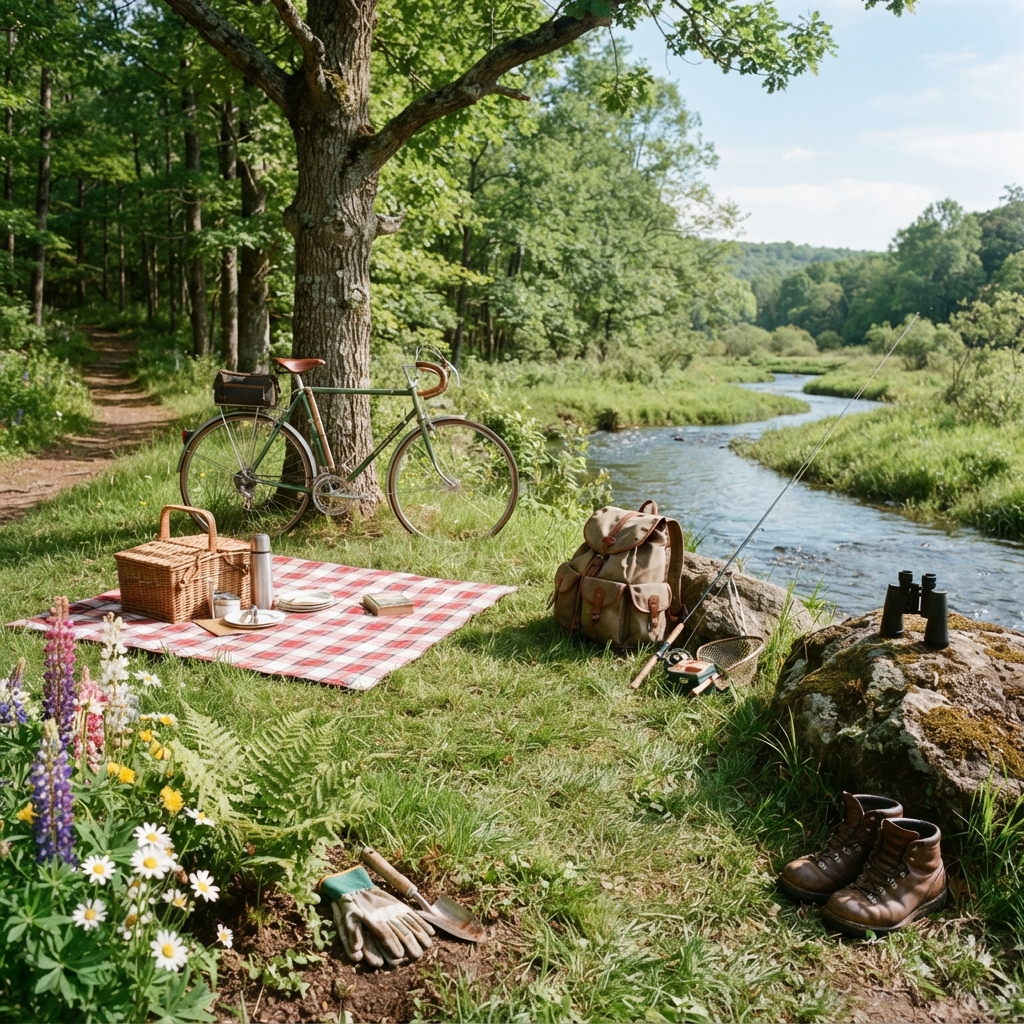
Hiking is simple and rewarding. Find a trail, pack water and snacks, and wear comfortable shoes. Learn about local wildlife and enjoy beautiful views.
- Check trail maps online.
- Use a backpack for essentials.
- Stay on marked paths.
Gardening: Creating Your Backyard Oasis
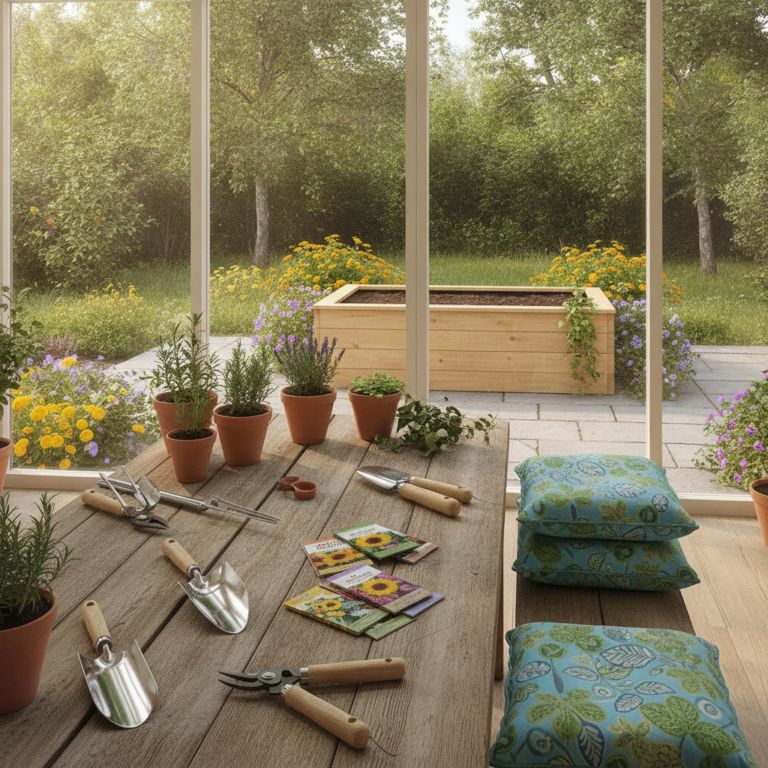
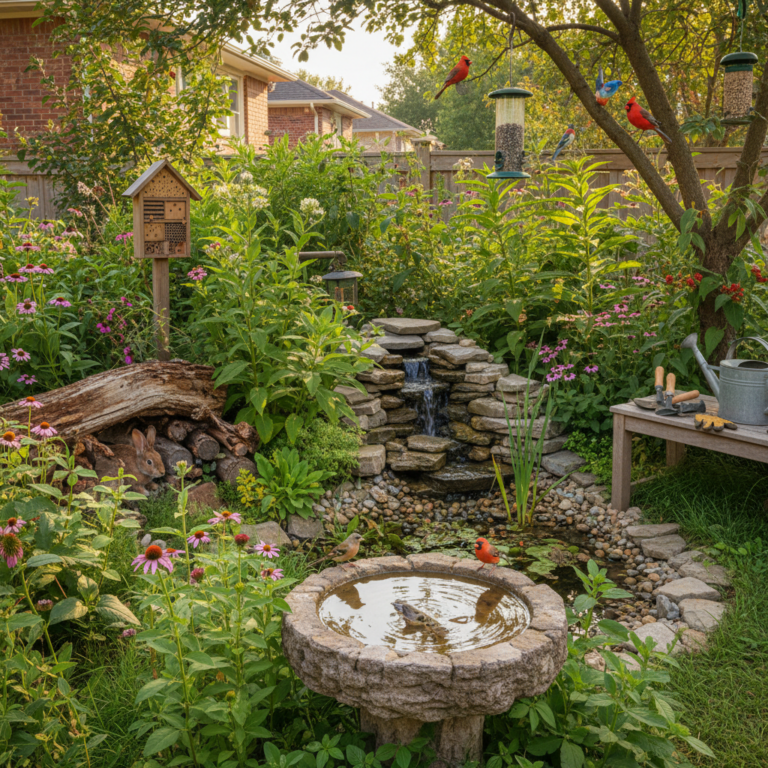
Gardening connects you with nature at home. Start with easy plants or vegetables, and use basic gardening tools. Enjoy watching your plants grow.
- Pick plants suited to your climate.
- Use gloves, trowel, and watering can.
- Plan your garden layout.
Cycling Adventures: From City Paths to Countryside
Cycling is fun and healthy. Ride around your city or explore bike trails. Always wear a helmet and follow traffic rules.
- Check your bike’s brakes and tires.
- Bring a water bottle and identification.
- Start with short rides.
Urban Exploration: Discover Hidden Gems in Your City
Urban exploration means finding new places in your city. Visit museums, food markets, or historic sites. Walk or take public transport to see something new.
- Plan a route with interesting sites.
- Bring a notebook or camera to record discoveries.
- Respect privacy and public spaces.
Birdwatching for Beginners
Birdwatching is peaceful and educational. Use binoculars and a bird guidebook to identify different species. Parks and lakes are great spots.
- Go early in the morning.
- Stay quiet and observe carefully.
- Note down birds you spot.
Outdoor Photography Tips
Take photos of nature, city, or people. Use your phone or a camera. Pay attention to lighting, angles, and interesting subjects.
- Practice taking pictures in different daylight.
- Experiment with close-ups.
- Share your photos with friends.
Water Activities: Kayaking, Paddleboarding, and More
Try fun water sports in rivers or lakes. Always wear a life jacket and check water conditions. Beginners can learn from a local instructor.
- Rent equipment if you don’t have your own.
- Follow safety rules for each activity.
- Start in calm, shallow water.
Group Sports and Social Outdoor Games
Playing sports like soccer, basketball, or frisbee with friends adds energy to your weekends. It’s social, exciting, and good exercise.
- Organize games with classmates or neighbors.
- Use public sports courts or fields.
- Try new games, like volleyball or badminton.
How to Get Started With a New Outdoor Hobby
Essential Gear and Equipment Checklist
Prepare the tools you need before beginning. Here’s a basic checklist:
| Hobby | Essential Equipment |
|---|---|
| Hiking | Comfortable shoes, water bottle, backpack |
| Gardening | Gloves, trowel, seeds/plants, watering can |
| Cycling | Bicycle, helmet, water, repair kit |
| Birdwatching | Binoculars, notepad, guidebook |
| Photography | Phone/camera, tripod (optional) |
| Water Activities | Life jacket, paddleboard/kayak, sunscreen |
| Sports | Ball, sports shoes, team members |
Finding Local Groups and Classes
Look for clubs or classes in your area. Many parks and recreation centers offer group activities. Joining a club makes it easier to learn and stay motivated.
- Search online for local hobby groups.
- Ask teachers or neighbors about community events.
- Visit parks and talk to people already doing the hobby.
Setting Realistic Goals For Your New Hobby
Make your goals achievable. Start small, like hiking a 2km trail or gardening one plant. Track your progress and celebrate improvements.
- Write down your starting point and aim for progress each week.
- Break big goals into smaller steps.
- Reflect after each session and adjust plans as needed.
Keeping the Momentum: Making Outdoor Hobbies a Habit
Scheduling and Planning for Consistency
Consistency is key. Set a fixed time each week for your hobby and mark it on your calendar. Regular practice leads to improvement and fulfillment.
- Pick a day and time that fits your schedule.
- Remind yourself with alarms or calendar notes.
- Prepare gear the night before.
Involving Friends and Family
Invite others to join. Outdoor hobbies are more fun and motivating with friends or family. Share your passion and make memories together.
- Ask classmates or siblings to try a hobby with you.
- Plan group outings or competitions.
- Celebrate milestones together.
Tracking Progress and Staying Motivated
Keep a hobby journal to record achievements. Take photos or write notes after each activity. Seeing progress keeps you motivated to continue.
- Use a notebook or an app to track activities.
- Set rewards for reaching targets.
- Share successes with your group.
Frequently Asked Questions About Outdoor Hobbies That Make Weekends More Interesting
- Q1: What if I don’t have much free time?
Pick shorter hobbies like walking or photography. Even 30 minutes outdoors can refresh you.
- Q2: Are outdoor hobbies expensive?
Many hobbies are low-cost or free. Hiking, gardening, and birdwatching require basic equipment.
- Q3: How do I stay safe?
Always use safety gear, check the environment, and let someone know your plans.
- Q4: What should I do if obstacles or bad weather limit outdoor activities?
Have backup hobbies for indoor days, like researching places to visit next weekend or practicing photography skills inside.
- Q5: How can beginners improve quickly?
Join local groups, follow online tutorials, and set small, achievable goals.
- Q6: How do I stay motivated when I lose interest?
Try a new hobby, invite others to join, or find new locations to explore.
Summary: Key Points and Next Steps
Outdoor hobbies offer countless benefits, making weekends more exciting and improving health. Choose a hobby that fits your interests, budget, and schedule. Prepare the right gear, join groups, start small, and make it a habit. Involve friends and track your progress for extra motivation. If problems arise, adjust your plans and try something new. Your next weekend is a great chance to begin!
Your outdoor adventure awaits. Pick a hobby, prepare your tools, and step outside for a more interesting weekend!