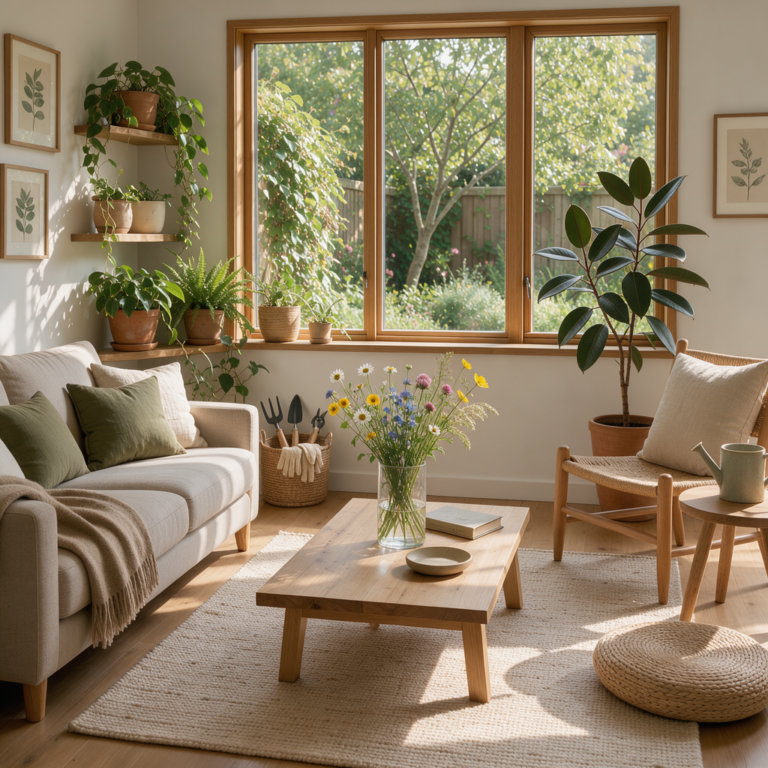

Photo by Pickawood on Unsplash
Start here: the simple plan
If you want a tidy flat that stays that way, work one small area at a time, make fast decisions and give every keeper a clear home. This checklist breaks your flat into easy zones so you can make visible progress in short sessions without turning the place upside down.
-
Set a realistic time box
Work in 20–40 minute bursts. Stop when the timer goes, reset the space and pick up next time. Small, consistent sessions beat marathon clear-outs.
-
Use a 4-box method
Have four containers: Keep (put away now), Rethink (store elsewhere), Donate/Sell, and Rubbish/Recycle. Label them clearly so decisions are quick.
-
Clear surfaces first
Tidy visible areas before drawers or cupboards. It reduces visual noise and gives you a quick win that motivates the rest.
-
Finish each mini-zone
Choose a small zone (e.g., coffee table, bedside top). Complete it fully—items put away, container emptied, rubbish out—before moving on.
Before you start: ground rules
- One-in, one-out: When a new item arrives, an old one leaves.
- 90-day test: If you haven’t used it in roughly three months (seasonals aside), consider letting it go. Use your judgement—keep important documents, safety items, tools and other infrequently used essentials.
- Contain don’t spread: Keep like-with-like in labelled containers, not scattered piles.
- No “maybe” piles: Decide now or set a small “trial box” with a dated note and review in a month.
Hallway or entry: make arrivals easy
The entrance sets the tone. Aim for clear floors and a simple landing spot for post and keys.
Checklist:
- Remove shoes you don’t wear this season; store elsewhere.
- Edit coats to daily essentials; relocate spares.
- Add a small tray for keys and wallet.
- Contain post in one vertical holder; recycle junk mail immediately.
Living room: reduce visual noise
Aim for clear sightlines and calm surfaces that support how you actually use the room: relaxing, reading, hosting.
Checklist:
- Clear coffee table and TV stand; keep only daily-use items.
- Contain remotes, chargers and cables in one box only when chargers are unplugged and cool; use simple cable ties or dividers to prevent tangles.
- Limit cushions and throws to what you use weekly.
- Edit decor: display a few favourites, rotate the rest seasonally.
- Create one basket for “return to other rooms”. Empty at the end of the day.
Kitchen: clear counters, simple zones
Start with the counter you use most. Anything that doesn’t help you cook daily can live in a cupboard.
Checklist:
- Declutter duplicates (spatulas, ladles, measuring spoons).
- Keep one everyday set accessible; store spares.
- Group by task: hot drinks, breakfast, prep, baking.
- Reduce plastic tubs to matching sets with lids.
- Empty the “junk drawer”: keep essentials (batteries, tape) in small dividers; remove the rest.
- Fridge and cupboard quick scan: bin expired, group like-with-like.
Bedroom: make rest the priority
Keep the bed, clothing and bedtime routines front and centre; move anything else out.
Checklist:
- Clear bedside tables to lamp, book and water only.
- Limit decor to a few calming pieces.
- Remove non-bedroom items (post, tools, laundry overflow).
- Under-bed storage: only sealed, labelled containers.
Wardrobe and clothes: realistic edits
Edit in short bursts by category, not by full wardrobe.
Checklist:
- Start with socks, underwear, then T-shirts.
- Pull out clear “no” items: damaged, uncomfortable, ill-fitting.
- Create small “seasonal” and “special occasion” boxes.
- Hangers rule: one hanger per item; if you run out, something must go.
- Fold to stand items upright where possible to see everything at a glance.
Bathroom: only what you actually use
Small bathrooms need strict limits.
Checklist:
- Bin expired products and empty containers; follow local guidance for hazardous or special waste (like aerosols, chemicals, razors/needles) and use appropriate recycling or take-back schemes.
- Keep one open product per category; store backups together.
- Use small trays or caddies for daily routines.
- Towel limit: enough for current occupants plus a guest set.
- Move medicines to a dry, child-safe spot if needed.
Home office and paperwork: reduce the paper tide
Create a simple capture-and-process system you’ll actually use.
Checklist:
- One in-tray for all incoming paper.
- Weekly sort: action, file, shred/recycle.
- Go digital where appropriate and keep it secure: use password-protected, encrypted storage, enable two-factor authentication for cloud accounts, and back up important files.
- Keep only current year’s active files at hand.
- Label one archive box for longer-term documents.
Kids’ areas (if applicable): set limits together
Involve children to avoid battles and teach upkeep.
Checklist:
- Set a toy container limit; when it’s full, something leaves.
- Rotate toys rather than keeping all out.
- Keep craft supplies in lidded boxes; one project out at a time.
- Create a simple end-of-day tidy routine with a small timer.
Rubbish, recycling and donations: move it out
Decisions don’t count until items leave the flat.
Checklist:
- Bag rubbish and take it out immediately after each session.
- Box donations and stage them out of walkways and away from exits, or load them straight into the car boot.
- Photograph items to sell, list with a single clear description, and set a deadline to relist or donate.
- Wipe and dust cleared surfaces so the space feels finished.
Keep it clear: habits that stick
Decluttering is the reset; habits keep it that way.
Daily:
- Five-minute reset before bed: clear hotspots.
- One load out: rubbish, recycling or donation bag.
- Return items to their container, not to surfaces.
Weekly:
- A simple weekly home reset to catch up on hotspots and surfaces.
- Quick scan of kitchen counters and coffee table; remove arrivals that don’t belong.
Monthly:
- Review one drawer or shelf per room.
- Rotate decor or books to keep displays intentional.
FAQs
How long should I spend on each room?
Work in short sessions—20 to 40 minutes per mini-zone. Finish a surface or drawer fully, then stop. Several small wins beat one exhausting day.
What should I do with sentimental items?
Keep a small, defined box for the most meaningful pieces. Photograph bulky items to preserve the memory, and display a select few.
How do I declutter in a shared flat?
Agree common-area rules, assign homes for shared items and label containers. Don’t make decisions for others’ belongings without consent.
Is it better to sell or donate?
If you’ll list it within a week and it’s in good condition, try selling. If not, donate promptly so it leaves your space and helps someone else.
How can I stop paper piling up again?
Use one in-tray, a weekly 10-minute review and a simple file system. Go digital where appropriate and shred or recycle immediately.
What if I get stuck deciding?
Use a trial box with a dated note. Store the item out of sight. If you don’t look for it in a month, it can go.