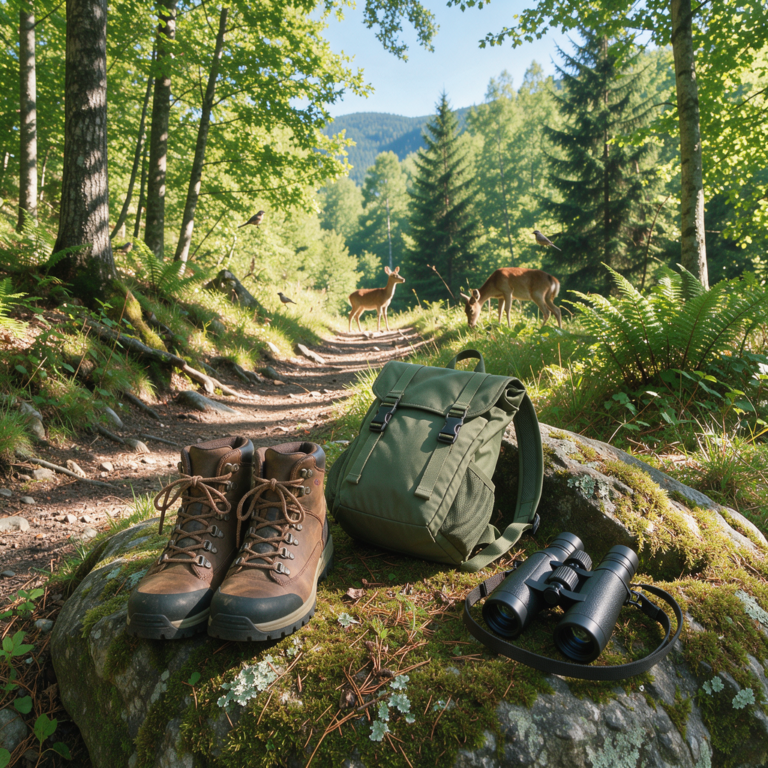

Photo by Sana Ullah on Unsplash
Low-level Lake District walks older dogs can enjoy
If your dog is slowing down, the Lake District still offers plenty of satisfying walks that keep things flat, scenic and stress-free. Focus on lakeside paths, waymarked forest trails and former railway tracks. These usually mean firmer footing, gentler gradients and options to turn back early.
Good choices include short stretches of the Derwentwater shoreline, the level path around Tarn Hows, the Elterwater to Skelwith Bridge riverside, sections of the Keswick Railway Path, waymarked loops in Grizedale Forest, and easy circuits around Rydal Water and the lower reaches of Grasmere. Each can be shortened or taken as an out-and-back if your dog has a limited range.
Below you’ll find where these routes work well for senior dogs, what to watch for, and how to plan a calm, comfortable day out.
Gentle routes to try
- Derwentwater shore path (pick a short stretch): The lakeside path has long, fairly level sections with lovely bays and woodland. Start from a lakeside car park or jetty area and take an out-and-back along the flattest section you find. Expect some roots and occasional short boardwalks; avoid any stepped headlands if your dog struggles.
- Tarn Hows circuit: A popular low circuit with a compacted path that feels kinder on joints than rocky fell tracks. It’s easy to cut short by turning back at any point, and there are plenty of benches for rests. Busy at peak times; go early or late for a quieter loop.
- Elterwater to Skelwith Bridge: This valley-floor path follows the river and offers a broad, mostly level surface with great views and a waterfall near the far end. Watch for cyclists and prams; keep your dog close on narrow sections and near water if they’re unsteady.
- Rydal Water lower path: The lower shore path stays close to the lake with only mild undulations. If your dog tires, turn back before any rocky steps near the far end. The nearby coffin route between Rydal and Grasmere is charming but has some stone pitching—stick to the easiest bits if paws are sensitive.
- Grizedale Forest waymarked trails: Choose the shortest, gentlest colour-marked loop. Forest trails usually offer even surfaces, shade in warm weather, and fewer livestock encounters. Gradients vary by route, so check the waymarker board and pick a “short and easy” loop.
- Ullswater lakeside sections: The shoreline near Pooley Bridge includes level stretches with benches and open lawns. If you’re tempted by waterfalls like Aira Force, be aware of steps and narrow bridges—better to enjoy the flatter lakeside instead if joints are stiff.
- Loweswater circuit (shorten as needed): A smaller, tranquil lake with woodland sections. Surfaces vary from compacted track to light mud after rain; choose a dry spell or turn around when footing softens.
For all of these, treat them as modular: walk until you’ve had enough, then return the same way. Your dog’s comfort sets the distance, not the map.
Surfaces and gradients: what to expect
Low-level doesn’t always mean perfectly flat. Lakeside paths can have short ups and downs, tree roots and occasional rocky steps. Former railway paths (where open) are the flattest options, while forest trails tend to be steady rather than steep. After wet weather, expect mud and puddles on valley floors.
If your dog has arthritis or reduced mobility, aim for:
- Firm, compacted paths rather than loose stone or boulder-strewn tracks.
- Shorter out-and-back sections so you can turn around without committing to a full loop.
- Shade and shelter to avoid heat stress in summer and slippery leaf litter in autumn.
Avoid stiles where possible; many valley routes use gates, but older walls and pastures may still have stiles that can be awkward to lift over.
When to go and how to pace it
Senior dogs often do best with cooler temperatures, low crowds and steady pacing. Early mornings and evenings tend to be quieter, especially around popular lakes. In summer heat, stick to shaded forest trails or short lakeside potters, and rest often.
Give yourself twice the time you’d normally allow. Plan for frequent sniff-stops, water breaks and a few sit-downs. If your dog perks up after resting, keep going for a few more minutes, but make the turn-around point conservative so the return feels easy.
Planning a gentle outing
-
Pick a valley or lakeside start point
Look for car parks or bus stops near the lake shore or a forest visitor area. Lower starting points keep gradients friendly from the first step.
-
Choose an out-and-back section
Instead of committing to a full loop, follow a waymarked path for a set time, then return. This halves the risk of unexpected steps or rough patches ahead.
-
Check for obstacles on a map board
At the trailhead, scan for notes about bridges, diversions or steep sections. Status can change after storms; if in doubt, pick the simplest marked route.
-
Plan shade, rests and water
Forests and wooded shores offer cooler air and places to sit. Carry water and a collapsible bowl; avoid letting your dog drink from lakes or streams if water quality is uncertain.
-
Have a bail-out option
Note a bench, a jetty or a junction where you’ll reassess. If your dog flags, turn back without hesitation.
Comfort, care and common pitfalls
- Paw care: Older paws can be thin-skinned. Compact paths are kinder than sharp gravel. After rain, avoid long slogs through grit that can pack between pads.
- Joint comfort: Shorter, more frequent walks beat one long trek. Warm up with a slow five-minute amble; cool down with a gentle final stretch.
- Hydration and food: Small, regular sips of water; a light snack on longer outings to avoid low energy.
- Temperature: Senior dogs can overheat quickly. In hot spells, stick to shaded woodland and keep outings brief.
- Energy management: Don’t chase a view if the approach looks rough. A quiet bay at lake level can be just as satisfying.
Livestock, wildlife and sensible etiquette
Much of the Lake District is working farmland. You may meet sheep or cattle, especially on valley edges. Keep dogs close and calm around livestock and ground-nesting birds. Where a lead is advised, use one; where open exercise is allowed and safe, keep excellent recall and give others plenty of space.
In wooded areas, expect cyclists and runners on shared paths. Walk on the left, bring your dog to heel on narrow sections and step aside at pinch points.
Adapting classic routes for senior dogs
- Break a loop into two short outings: Park at the same spot on consecutive days and explore opposite directions along the shore, rather than circling the lake once.
- Use benches and viewpoints as goals: Aim for a shady bench, a jetty, or a quiet beach as your mid-point treat.
- Skip stepped diversions: If a path heads uphill or onto rocky ground, turn back and try a spur along the valley floor instead.
- Pick calmer times: Popular circuits like Tarn Hows feel easier for older dogs when quieter; fewer distractions mean steadier pace.
What to bring (and what to leave)
- Lead and supportive harness (ideally with a handle) that won’t chafe on longer strolls.
- Water and a foldable bowl even on cool days.
- A light towel for damp paws and to add grip on benches.
- Poo bags and a small rubbish plan in case bins are sparse.
- Optional: a canine coat in cold, wet weather.
Leave heavy packs and long to-do lists. A relaxed hour by the water can be the highlight of the trip for an older companion.
Choosing the right route on the day
Good signs to go ahead
- Cool, calm weather and shaded options nearby
- Firm paths underfoot and clear waymarking
- Benches or obvious rest spots within 15–20 minutes
- Option to shorten easily with an out-and-back
Red flags to rethink
- Long stretches of steps or large stone pitching
- Recent storm damage or path closures
- Livestock crowded onto narrow sections
- Hot, airless conditions with no shade or water
FAQs for low-level Lake District walks with senior dogs
How long should a low-level walk be for an older dog?
Many senior dogs do well with 30–60 minutes at an easy pace, with breaks. Start shorter and add time only if your dog finishes looking comfortable.
Are there truly flat walks in the Lake District?
Some railway paths and certain lakeside or forest trails are very gentle. Total flatness is rare, so plan short sections and turn back before rough patches.
Can my older dog swim in the lakes?
Only if they are steady and you’ve checked the water looks clean. Avoid if you see scum or discolouration and keep sessions brief to prevent chills or fatigue.
What’s the best surface for arthritic dogs?
Firm, compacted paths or short grass feel kinder than loose gravel or rocky steps. Forest trails and well-made lakeside paths are good bets.
How can I avoid stiles with a senior dog?
Choose valley paths with gates, forest loops, and popular lakeside circuits, which are more likely to be gated. If you encounter a stile, turn back rather than lifting.