Understanding the Concept of Indoor and Outdoor Living Spaces
What Are Integrated Home Spaces?
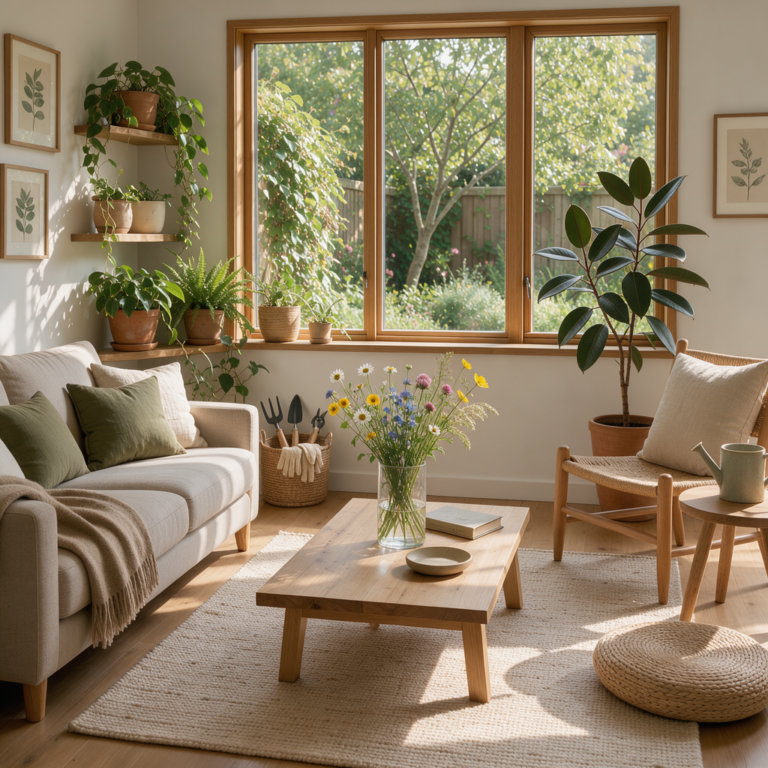
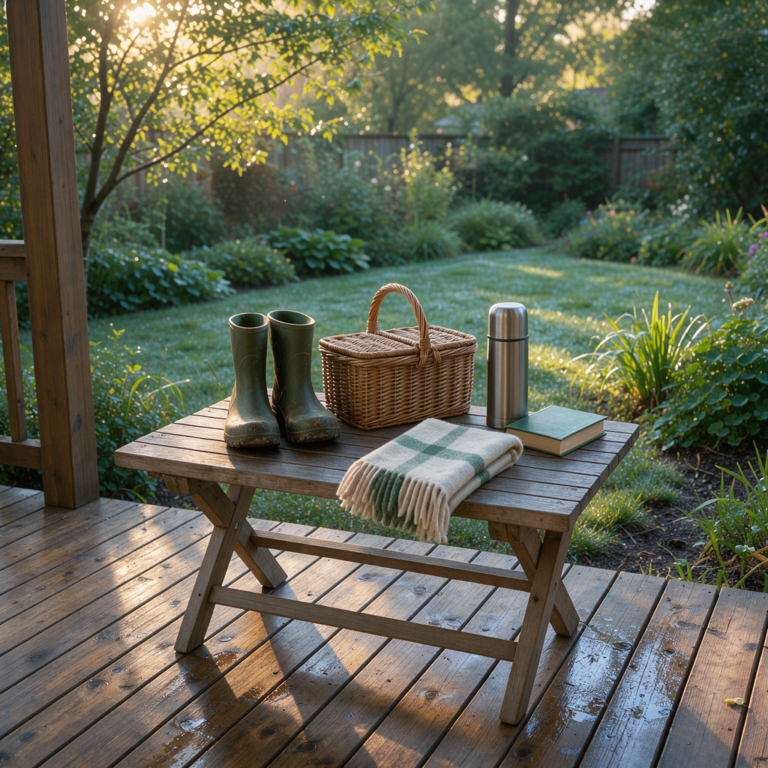
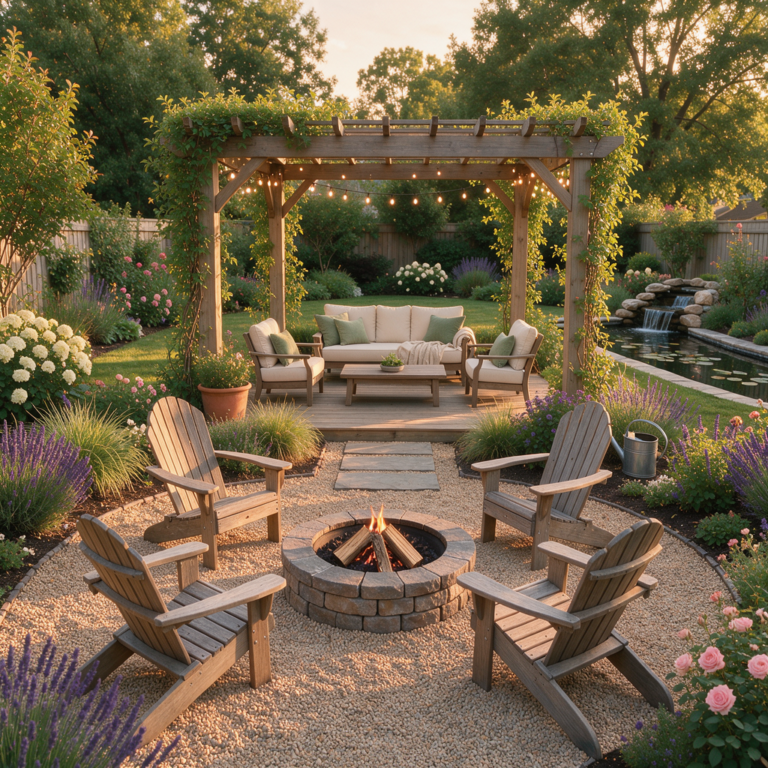
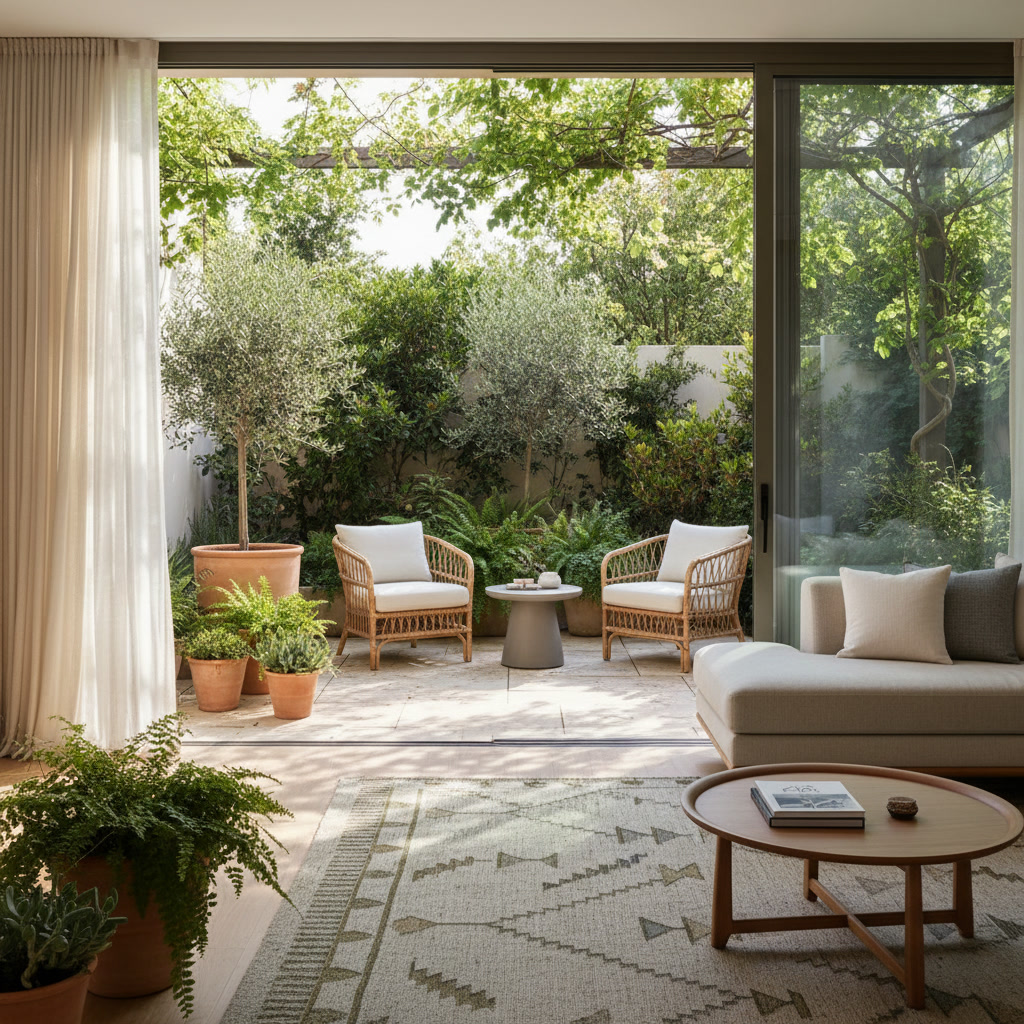
Integrated home spaces are areas in a house where the indoors and outdoors are connected. This design helps you move easily between rooms inside and outdoor places like patios or gardens. Integrated spaces include features such as large doors, open windows, and similar styles indoors and outdoors.
Benefits of Blending Indoors and Outdoors
- More natural light enters your home.
- Fresh air is easier to enjoy.
- Rooms feel bigger and more open.
- It’s easier to host gatherings.
- Nature becomes part of your daily life.
Current Trends in Indoor-Outdoor Living (2024)
- Use of glass walls and sliding doors for more light.
- Covered outdoor seating with weatherproof furniture.
- Smart home features to control indoor and outdoor lighting.
- Eco-friendly materials for floors and décor.
- Vertical gardens and green walls.
Planning Your Indoor-Outdoor Living Design
Assessing Your Existing Home Layout
- Walk through your house and note where outside areas are close to living rooms or kitchens.
- Check if rooms have enough windows or doors facing the yard or patio.
- Take measurements to see how much space is available inside and outdoors.
- Review how sunlight moves through different parts of your home.
Essential Elements for Seamless Integration
- Large doorways like sliding or folding glass doors.
- Matching flooring materials for inside and outside.
- Continuous color schemes and furniture styles.
- Outdoor lighting that can be controlled from indoors.
- Shelter like pergolas or awnings for weather protection.
Budget Considerations and Planning Tips
- Start with a clear list of changes you want to make.
- Research average costs for materials and labor in your area.
- Set priorities based on your budget and needs.
- Plan to do some tasks yourself to save money.
- Compare quotes from different suppliers or contractors.
Key Features for Indoor and Outdoor Connectivity
Choosing the Right Doors and Windows
- Measure the space for new doors or windows.
- Choose doors like bi-fold or sliding options for wide openings.
- Pick windows with easy opening mechanisms and clear glass.
- Ask suppliers about energy-saving and secure designs.
- Consider installation and maintenance needs.
Flooring Solutions for Flow and Durability
- Use tile or stone that works indoors and outdoors.
- Pick weather-resistant materials for outdoor flooring.
- Match indoor and outdoor colors to create smooth transitions.
- Avoid floor surfaces that are slippery or hard to clean.
- Check sample materials before buying for quality and texture.
Lighting Strategies for Cohesive Spaces
- Install lights at doors and windows to enhance visibility.
- Use LED lights for energy saving.
- Match light fixtures and styles between indoor and outdoor areas.
- Add solar-powered lights for outdoor use.
- Place lights to highlight pathways and plants.
Styling Tips for Indoor-Outdoor Living Areas
Furniture Selection for Flexible Use
- Choose furniture that can be used both inside and outside, like lightweight chairs or stools.
- Select weatherproof materials for outdoor pieces.
- Look for modular or foldable furniture to save space.
- Use pillows and cushions that resist water and sun.
- Arrange seats to face the outside view.
Complementary Colors and Materials
- Pick colors that match in both indoor and outdoor spaces like earth tones or greens.
- Use wood, stone, or metal to connect natural elements.
- Mix textures for a cozy look.
- Test color samples in different lighting conditions.
- Add rugs or throws for extra comfort.
Incorporating Greenery and Natural Elements
- Place plants in pots or beds near doorways.
- Use hanging baskets or wall planters for small spaces.
- Choose low-maintenance indoor plants like succulents.
- Arrange outdoor plants to match your indoor theme.
- Combine stones, wood, and water features for a relaxing vibe.
How to Make the Most of Small Spaces
Space-Saving Solutions
- Reduce clutter by organizing things in baskets and boxes.
- Install shelves or hooks for extra storage.
- Use furniture that folds or stacks.
- Choose compact and multi-use items like ottomans with storage.
- Make use of corners and window sills.
Vertical Gardens and Multifunctional Furniture
- Build a vertical garden by stacking plant shelves or using wall-mounted planters.
- Select tables or benches that open to hide tools or cushions.
- Use loft beds or sofa beds to free up space.
- Include fold-down desks or dining tables.
Stylish Privacy Options
- Add outdoor screens or curtains to block views.
- Grow tall plants or hedges for privacy.
- Use lattice structures or trellises for climbing plants.
- Install frosted or tinted glass panels.
Seasonal Considerations for Year-Round Enjoyment
Weather-Resistant Décor Ideas
- Choose outdoor cushions and rugs made from waterproof materials.
- Store outdoor furniture during bad weather.
- Select rustproof items for humid climates.
- Protect wood with covers or sealant.
Heating and Cooling for Outdoor Comfort
- Add outdoor heaters for cold months.
- Install ceiling fans for summertime.
- Use portable fire pits for warmth and style.
- Choose shades or pergolas for sun protection.
Maintenance Tips by Season
| Season | Key Maintenance Tasks |
|---|---|
| Spring | Clean windows and doors, check for leaks, plant new greenery. |
| Summer | Inspect furniture and cushions for sun damage, water plants regularly. |
| Autumn | Clear fallen leaves, cover outdoor furniture, prepare for cold weather. |
| Winter | Store delicate items indoors, check heaters and insulation, trim plants. |
FAQ: Designing Home Spaces Around Indoor and Outdoor Living
- Q1: Is indoor-outdoor living possible in small homes? Yes! Use clever furniture and vertical gardens to maximize space.
- Q2: What materials last longest outdoors? Stone, treated wood, and metal are most durable outside.
- Q3: How do I keep bugs out? Install screens on doors and windows and use plants that repel insects.
- Q4: Can I change my layout myself? Simple changes like swapping furniture or adding plants are easy. For major renovations, consider professional help.
Summary: Key Points and Next Steps
Designing home spaces around indoor and outdoor living improves comfort, adds value, and encourages a healthier lifestyle. Start by understanding your home, planning key changes, and choosing the right materials. Use the steps and tips above, stay creative, and enjoy year-round living spaces. Ready to create a more connected home? Begin with small changes today and keep improving your indoor-outdoor design!