
Why Choose Off-the-Grid Getaways for a Real Digital Break?
The Importance of Unplugging in 2026
In 2026, most people depend on digital devices every day. Phones, computers, and social media can make life busy and stressful. Taking time away from technology helps us relax and reset. Off-the-grid getaways are special trips where you leave digital devices behind and spend time in nature. This helps you focus, feel calm, and enjoy the world around you. Unplugging is important because it gives your mind a true rest from screens.
Key Benefits for Mental and Physical Health
- Reduces stress and anxiety by creating space for your thoughts
- Improves sleep patterns and lowers screen fatigue
- Increases focus and creativity by removing distractions
- Boosts physical health through outdoor activities and fresh air
- Strengthens relationships through face-to-face conversations
Finding the Best Off-the-Grid Destinations
Criteria for Selecting a True Digital-Free Escape
- Look for places far from cities and cell towers
- Choose destinations with limited or no Wi-Fi and phone signal
- Prefer areas rich in nature, like forests, mountains, or islands
- Check if the location is safe but remote enough for a digital break
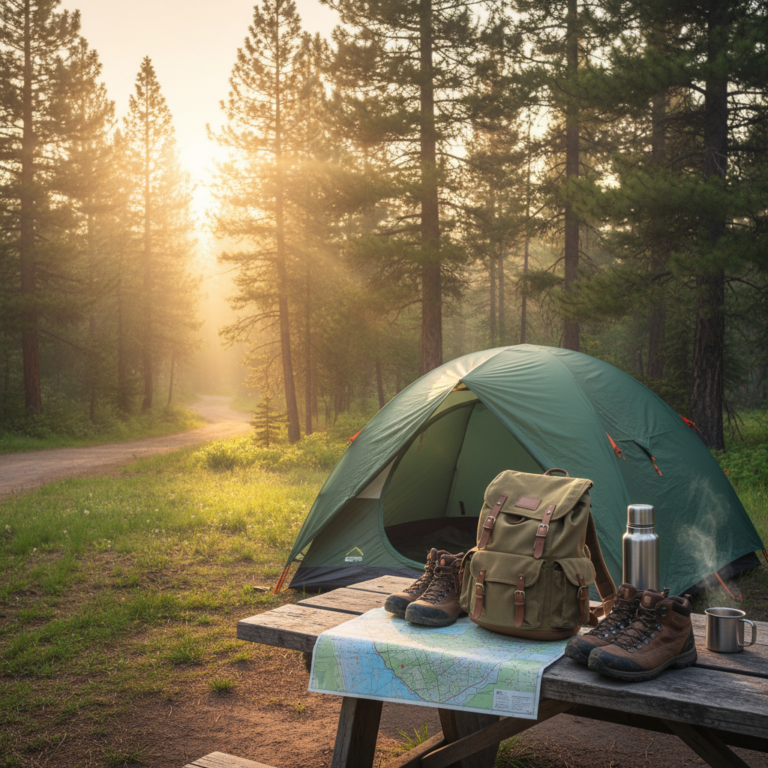
- Ensure there are simple accommodations, such as cabins or campsites without electronics
Top Off-the-Grid Getaway Locations in 2026
- National parks and nature reserves with restricted connectivity
- Wilderness retreats in mountain or desert regions
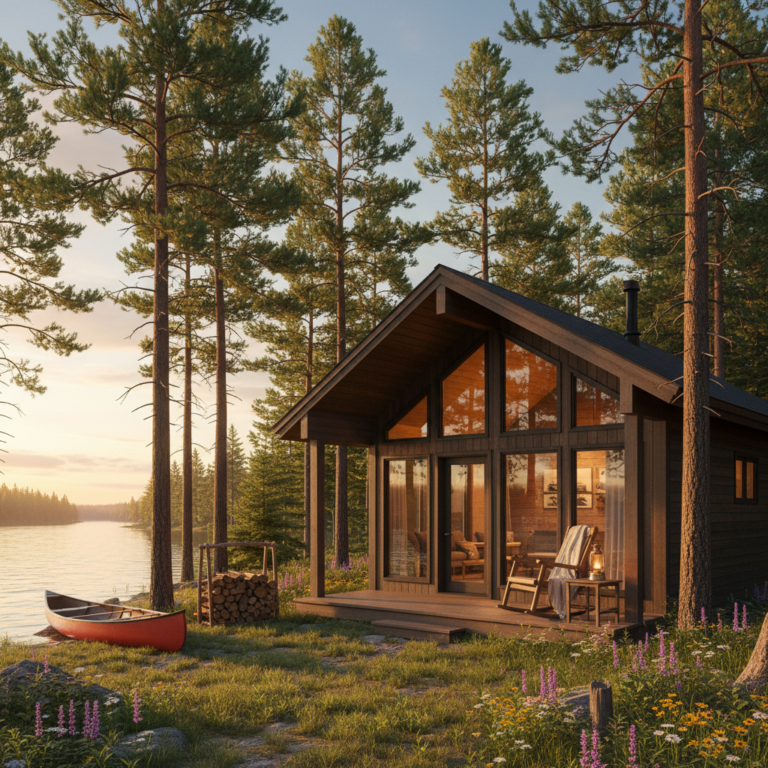
- Remote eco-lodges or cabins in forests
- Isolated beaches or islands
- Hiking or canoeing trips that take you deep into nature
How to Prepare for an Off-the-Grid Adventure
Essential Packing Tips for Going Offline
- Pack enough clothes for the climate and activities
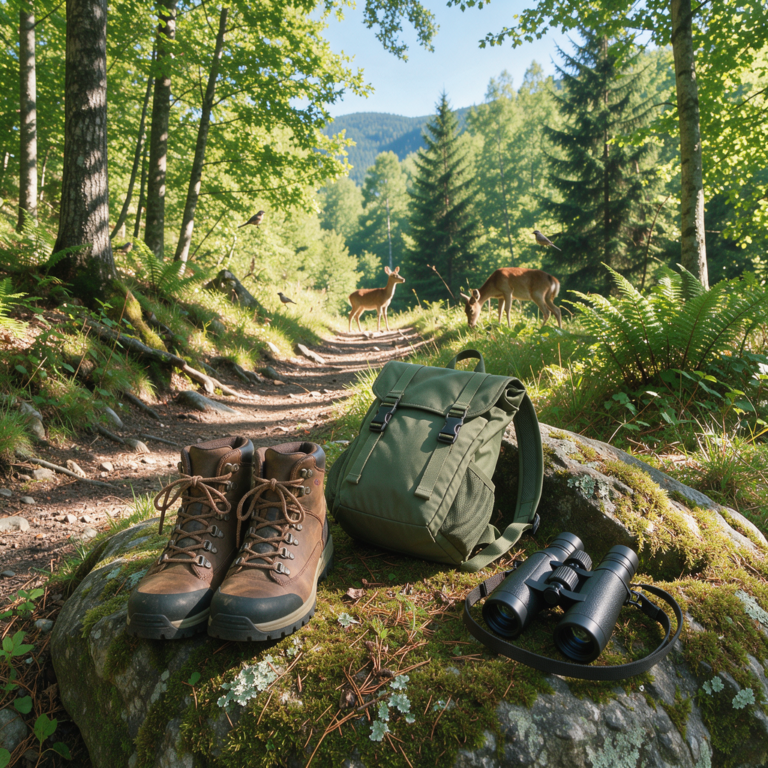
- Bring sturdy shoes or boots for hiking and exploring
- Take a basic first-aid kit, plus medicines if needed
- Include non-perishable food and snacks
- Carry a reusable water bottle and water purification tablets
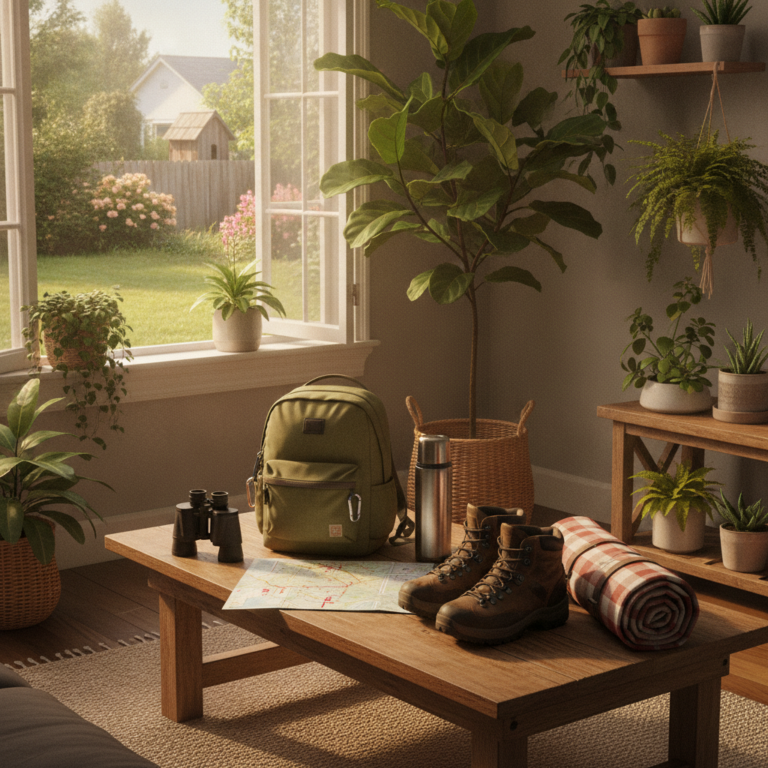
- Bring printed maps and a compass; do not rely on phone GPS
- Include a flashlight, extra batteries, and multi-tool
- Bring books, journals, or art supplies for offline fun
Planning for Safety and Emergencies
- Check weather forecasts before you leave
- Pack an emergency whistle, flares, or personal locator beacon
- Learn basic first-aid and emergency procedures
- Know the nearest medical facilities or ranger stations
- Write down important phone numbers on paper
Letting Friends and Family Know Your Plans
- Share your complete travel plan, including dates and locations
- Give a copy of your map and emergency contacts to a family member
- Agree on when you will check in after your trip
What to Expect During Your Digital Detox
Adjusting to a Tech-Free Lifestyle
At first, life without digital devices may feel strange. You might feel the urge to check your phone or miss online updates. Over time, however, you relax and notice the world in new ways. You can be more present, enjoy nature, and focus on real-life conversations and activities.
Common Challenges and How to Overcome Them
| Challenge | Solution |
|---|---|
| Feeling bored without your phone | Plan outdoor activities, read, or try journaling |
| Missing family or friends | Write letters, connect with group members on the trip |
| Worrying for safety | Have safety tools and let others know your plan |
| Trouble falling asleep without screens | Practice deep breathing, read paperback books |
Activities to Enjoy on Off-the-Grid Getaways
Nature Exploration and Outdoor Pursuits
- Hiking through forests, hills, or mountains
- Swimming in lakes or rivers
- Fishing or canoeing
- Wildlife watching and photography (using non-digital cameras if possible)
- Star gazing on clear nights
Mindfulness, Meditation, and Reflection
- Practice meditation or yoga outside
- Try mindful walking or breathing exercises
- Spend quiet time reflecting in a journal
- Listen carefully to the sound of nature
Creative Ways to Connect with Your Surroundings
- Sketch or paint what you see in nature
- Write stories or poems about your experience
- Build small sculptures with natural materials
- Organize group games or storytelling sessions
Maintaining Your Digital Break After Returning Home
Transitioning Back to Daily Life Mindfully
- Start using devices slowly, not all at once
- Set regular times to check emails and messages
- Spend time outside or in quiet places, even in the city
Incorporating Digital Wellness Habits
- Schedule regular “no screen” times during the week
- Keep the phone away during meals and before bedtime
- Try new hobbies that do not involve technology
- Encourage friends and family to join offline activities
FAQs About Off-the-Grid Getaways for a Real Digital Break
- Are off-the-grid getaways safe?
With careful planning, they can be very safe. Always prepare for emergencies and tell others about your plans.
- What if I need to contact someone during my trip?
Use emergency beacons or pre-arranged calls from specific points. In most cases, choosing safe locations and sharing your schedule ahead works best.
- Can I bring my phone for photos?
It is better to use non-digital cameras. If you must bring a phone, keep it turned off and use only for emergencies.
- What should I do if I start to feel anxious offline?
Focus on your senses, breathe deeply, and try grounding exercises. Remind yourself it is healthy to unplug sometimes.
- How long should my digital break be?
Even a weekend helps. The best length is one to two weeks, but start with what fits your schedule and comfort level.
Summary: Key Points and Next Steps
- Off-the-grid getaways help you truly enjoy a digital break and recharge your mind and body.
- Choose safe destinations without connectivity and prepare with the right gear and knowledge.
- Use your offline time for outdoor activities and self-discovery, and adopt positive digital habits afterward.
- Start small, plan carefully, and invite others to join you. A real digital break can bring lasting benefits.