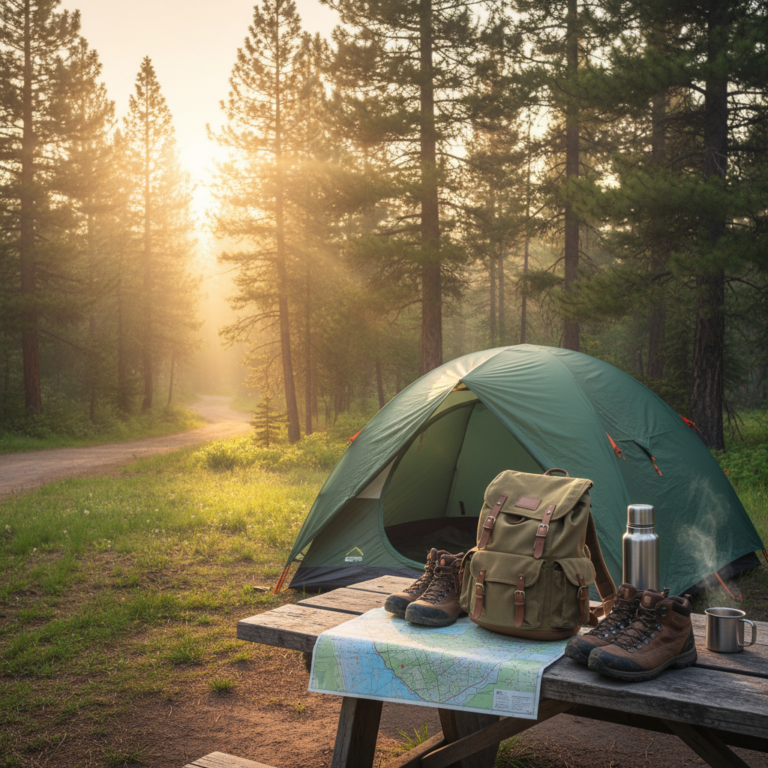

Photo by James Kingham on Unsplash
Quick picks you can ride-and-walk today
- For flat paths and easy navigation: the Thames Path from Richmond or Kingston.
- For woods and shade: Epping Forest from Chingford or Loughton.
- For chalky hills and views: Box Hill via Box Hill & Westhumble.
- For deer parks (on-lead around wildlife): Richmond Park, Bushy Park, Knole Park.
- For classic countryside with trains at both ends: Chess Valley Walk (Chalfont & Latimer to Rickmansworth) or Darent Valley Path from Shoreham (Kent).
How to plan a train-and-trail day with your dog
-
Choose a route that fits your dog’s energy
Pick flat river paths for steady pacing or short woodland loops for frequent shade and sniffs. Keep steeper, exposed hills for cooler days or fitter dogs.
-
Check the train connection and station exits
Look up which station is closest to the trail start and whether there’s a safe pavement or signed path from the platform. Some rural stations open straight to lanes.
-
Pack the dog essentials
Lead and backup lead, water and bowl, poo bags, a towel, and high-value treats. If your dog uses a harness, bring it for extra control around livestock or busy platforms.
-
Plan comfort breaks around the journey
Stations often have limited grass. Aim for a short walk near home, then again as soon as you reach the trailhead.
-
Check local guidance on leads and wildlife
Expect on-lead sections where there are deer, cattle, horses or ground-nesting birds. Keep your dog close on shared paths with cyclists and runners.
Thames Path from Richmond or Kingston
Why it works: Wide, mostly level towpaths with frequent river access points make this a relaxed outing. You can tailor the length easily—turn back whenever you’ve had your fill.
Start by train: Richmond, St Margarets, Kingston, Hampton Wick or Hampton Court all sit right on the river.
Good to know: Keep dogs out of strong currents and away from rowers’ landings. Expect bikes and prams; a short lead helps in busier stretches.
Epping Forest from Chingford, Loughton or Theydon Bois
Why it works: Ancient woodland with plenty of shade, ponds, and sandy paths—great for hot days and sniffy explorers. You can mix bridleways and narrower forest tracks for variety.
Start by train: Chingford puts you near Queen Elizabeth’s Hunting Lodge; Loughton and Theydon Bois give quick access to quieter sections.
Good to know: Grazing areas are signed—use a lead around cattle and horses. Expect seasonal muddy patches; a towel is handy on the train home.
Box Hill and the River Mole from Box Hill & Westhumble
Why it works: Classic Surrey Hills scenery with short, steep bursts and quieter riverside stretches. Choose a gentle river loop or tackle the steps to viewpoints on cooler days.
Start by train: Box Hill & Westhumble sits next to the River Mole paths and signed routes into the hills.
Good to know: Chalk can be slippery when wet and glarey when dry. Keep dogs close near steep drops and popular picnic spots.
Richmond Park via Richmond or Norbiton
Why it works: Big skies, ancient oaks and easy-to-follow tracks. You can stitch together circuits that suit any energy level.
Start by train: Richmond or Norbiton, then walk to one of the gates.
Good to know: There are free-roaming red and fallow deer. Keep your dog on a lead near wildlife and during sensitive seasons. Stags and does need space—give them a wide berth.
Bushy Park from Teddington or Hampton Court
Why it works: Open grassland, long avenues and ponds offer a relaxed amble with easy navigation.
Start by train: Teddington, Hampton Wick or Hampton Court all work, with short walks to park gates.
Good to know: Deer roam here too. Leads are sensible around wildlife and waterfowl, and during the rut and calving periods.
Knole Park from Sevenoaks
Why it works: A sweeping deer park with rolling views and plenty of space to find a quiet line.
Start by train: Sevenoaks, then a straightforward walk into the park.
Good to know: Dogs must be on a lead at all times in Knole Park due to free-roaming deer and sensitive habitats. Follow current on-site rules and keep a generous distance from wildlife. Shade is patchy—bring water for you and your dog.
Chess Valley Walk: Chalfont & Latimer to Rickmansworth
Why it works: A chalk-stream valley with meadows, hedgerows and quiet lanes, bookended by stations so you don’t need to backtrack.
Start by train: Chalfont & Latimer; finish at Rickmansworth (or reverse).
Good to know: Parts cross fields that may hold livestock—use a lead where signed and give animals space. Chalk streams are delicate habitats; keep paws out where requested.
Darent Valley Path from Shoreham (Kent)
Why it works: Orchards, chalk grassland and riverside meanders make for a gentle countryside day with clear waymarks.
Start by train: Shoreham (Kent) drops you close to the path; you can make an out-and-back or continue to a later station on the same line.
Good to know: Expect stiles and kissing gates. Carry a short lead for narrow sections and near livestock.
Hampstead Heath from Hampstead or Gospel Oak
Why it works: Wild-feeling city heath with woods, meadows and hilltop views, plus plenty of options to shorten or extend.
Start by train: Hampstead (Tube) or Gospel Oak (Overground) both lead straight to the Heath.
Good to know: Popular at weekends. Keep your dog close near ponds and busy paths; there are sensitive wildlife areas where leads may be requested.
Windsor riverside and Great Park edges
Why it works: Mix a calm Thames-side stroll with grand parkland tracks for a varied day.
Start by train: Windsor & Eton Riverside or Windsor & Eton Central.
Good to know: Some Great Park areas have specific dog rules; follow current signs and keep clear of deer and horse riders.
Seasonal tips for happy paws
- Warm weather: Aim for early or late walks. River breezes help, but still carry water; many downland routes have little shade.
- Wet and muddy: Woodland and clay paths can be slick—consider a harness for extra control. Pack a towel for the train.
- Wildlife seasons: Spring and early summer often mean ground-nesting birds on heaths and downs; expect requests to keep dogs on leads.
- Short daylight: Pick clear, waymarked routes with easy station access and bring a small light for visibility.
Dogs on trains: what to expect
In the UK, dogs are generally allowed on trains at no extra charge, usually up to two per person. Keep dogs on a lead in stations and on board. Avoid blocking aisles and be ready to move if your dog unsettles other passengers.
Policies can vary by operator—if you’re travelling at peak times or with a large dog, it’s sensible to check the operator’s current rules before you set off.
What to bring for your dog (and why)
- Short, sturdy lead: Better control around platforms, cyclists and livestock.
- Harness: Useful on steep, slippery or busy sections.
- Water and fold-flat bowl: Many routes have long dry stretches.
- Poo bags and a spare: Some rural bins are spaced out.
- Towel or mat: For muddy paws and a comfy train spot.
- ID tag: Required in public; helps if you’re separated.
Common mistakes to avoid
- Underestimating heat on open hillsides—plan shade and water.
- Letting dogs swim near fast currents or boat landings on the Thames.
- Off-lead near deer, cattle or horses—stressful for animals and risky for dogs.
- Tight connections: Rushing changes with a dog is stressful. Give yourself extra time between trains.
- Forgetting a backup lead: Clips can fail; a spare saves the day.
Dog-friendly train walks: quick answers
Do I need a ticket for my dog on UK trains?
Generally no—dogs usually travel free, with a typical limit of two per person. Check your train operator’s current policy before travelling.
Can my dog sit on the seat?
No. Dogs should stay on the floor or your lap if small, without occupying a seat. A small mat helps them settle.
Are there off-lead areas on these walks?
Yes, many routes have quiet stretches where off-lead is acceptable if your dog has solid recall. Always follow on-site signs and use leads near wildlife and livestock.
What’s a good first train-and-walk route for a puppy?
Choose flat, short and quiet sections like the Thames Path on a weekday. Keep it brief with frequent breaks and positive experiences.
How do I handle stiles with a larger dog?
Some paths include stiles. Look for adjacent dog gates; if none, be ready to assist with a harness. Consider routes known for accessible gates.
Is there water on the trail for dogs to drink?
Not reliably. Streams and ponds aren’t always safe or accessible. Bring your own water and offer it regularly.