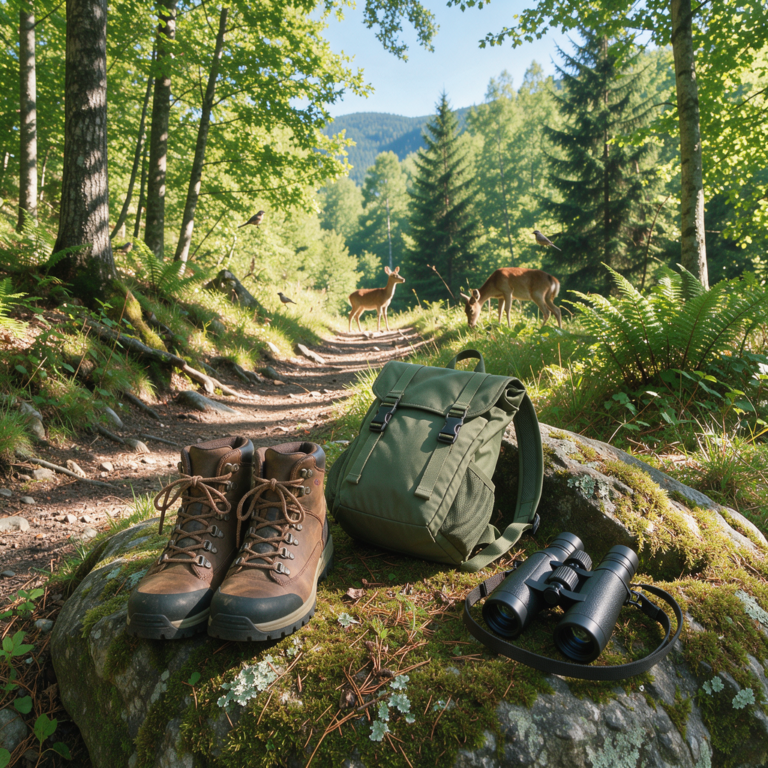

Photo by Martin Dalsgaard on Unsplash
The quick answer
To steer clear of ponies, cattle and donkeys, focus your New Forest walks inside the fenced woodland areas known as “inclosures”, and on the coastal paths along the Solent edge. Inclosures are usually stock-free because commoners’ animals don’t roam inside them, while the seawalls and beaches on the district’s coast seldom have grazing animals. Still keep your dog under close control and be ready to pop the lead on anywhere signs ask you to, or if you meet wildlife.
Why livestock are everywhere (and where they aren’t)
The New Forest is active common land. Free-roaming ponies, cattle and donkeys help manage the heaths and lawns by grazing. In autumn, pigs may be turned out for a short pannage season. On open heath and grassland, you should expect animals at any time. By contrast, many blocks of woodland are enclosed by fences and gates. These are called “inclosures”, and they’re managed forestry areas where livestock generally aren’t allowed. You can walk the paths inside them (shut gates behind you) and you’re more likely to have a calm, stock-free outing. Coastal embankments and beaches in the New Forest district also rarely host grazing animals, though you’ll share space with birdlife and other walkers.
Stock-light New Forest areas to try
- Rhinefield and Blackwater: Waymarked woodland circuits under tall conifers and ornamental trees. Inside fenced woodland, so usually free of grazing stock.
- Bolderwood inclosures: A network of forest tracks and short loops. Expect families and cyclists rather than livestock; deer live here, so keep dogs close.
- Wilverley and nearby inclosures: Mixed woodland with broad tracks suited to paws. Avoid Wilverley Plain itself (open heath with ponies) and head through the gates into the trees.
- Holmsley inclosure: Quiet forestry rides where you can make a simple out-and-back or a short circuit.
- Keyhaven–Lymington seawall: Long, flat coastal paths overlooking saltmarsh. You’re very unlikely to meet ponies or cattle on the embankments, but there are birds—keep to paths and respect any dog-on-lead signs.
Coastal options when you want zero grazing
If you’d rather avoid the forest entirely, the New Forest’s coast offers easy, largely livestock‑free walking under big skies (you’ll share space with birdlife). The seawalls between Keyhaven and Lymington are the headline choice for pram-friendly, flat miles. Lepe’s beach and clifftop paths give you a simple out-and-back with cafés and loos nearby. These areas can have seasonal dog-on-lead sections to protect nesting birds—look for the boards at access points and follow the wording on the day.
Plan a low‑livestock route
-
Pick a named inclosure or coastal path
Look for car parks labelled with “Inclosure”, or aim for the Keyhaven–Lymington seawall or Lepe’s waymarked paths.
-
Check signs at the gate
Read the noticeboard for any temporary closures or seasonal lead requests. Obey “dogs on leads” instructions wherever posted.
-
Stay on main tracks
Broad forestry rides and waymarked loops help you avoid surprising wildlife and make it easier to manage recall.
-
Carry a long line
A 5–10 m line attached to a well-fitted harness lets your dog sniff and roam while you keep control if deer appear.
Seasonal notes that matter
- Ground‑nesting birds: From spring into summer, parts of the open heath ask for dogs on leads to protect nests. Inclosures and coastal embankments are a good alternative in this period.
- Autumn pannage: For a few weeks, pigs may be on the open forest. If your dog finds pigs exciting, choose inclosures or the coast.
- Heat and ticks: Shade in the inclosures is kinder on hot days. After any forest walk, check your dog for ticks and remove them promptly with a proper tool.
Lead, recall and road sense
Dogs don’t have to be on a lead everywhere, but they must be under close control at all times. That means a reliable recall, sticking to paths, and clipping on the lead around any livestock or where signs require it. Many forest roads are unfenced and used by animals and vehicles; keep dogs well away from verges near traffic. If your recall isn’t rock solid, use a long line and reward calm behaviour when wildlife appears.
Inclosures vs open heath: what to choose
Why pick inclosures
- Usually no ponies, cattle or donkeys inside the fences
- Shady in summer and less exposed in wind or showers
- Clear tracks make it easy to manage recall and pass others
What to consider
- Less big-sky scenery than the open heath
- Can be busier near popular car parks
- Deer and cyclists still require good control
What to bring for a calm walk
- Lead and long line
- Clip-on lead plus a long line on a harness for flexible control.
- High‑value treats
- Reward calm focus if wildlife appears; reinforce recall.
- Water and bowl
- Streams aren’t always accessible or safe for drinking.
- Poo bags
- Bag it and bin it at the car park or take it home.
- Tick remover
- Check your dog after walks in long grass or bracken.
Common mistakes to avoid
- Assuming a field or lawn is animal-free: on the open forest, stock can appear quickly—use inclosures if you want predictable space.
- Letting dogs approach ponies for photos: even calm-looking animals can kick or bite. Give a wide berth and pop the lead on.
- Ignoring seasonal signs: bird nesting and temporary forestry works change access—read the board at the gate.
- Walking near unfenced roads off lead: animals and cars mix here; keep dogs close until you’re well inside the inclosure.
If you do meet livestock
Stay calm, keep your dog on a short lead as you give livestock a wide berth. If cattle become aggressive or start to crowd or charge, let go of the lead so your dog can move away, and retreat to safety without placing yourself between the animals and your dog. Avoid eye contact with the animals and keep moving without fuss. If a pony or cow blocks the way, turn back and choose a different track. Reward your dog for checking in with you so they learn that calm behaviour pays.
Where this fits in your wider plans
If you love off‑lead beach runs more than woodland loops, consider quiet dog-friendly beaches open all year elsewhere on the south coast. For New Forest weekends, mixing a shaded inclosure walk with a breezy coastal stroll keeps things varied and low‑stress for dogs that prefer to avoid hoofed neighbours.
New Forest dog-walking FAQs
Are dogs allowed off lead in the New Forest?
Yes, but they must be under close control. Use a lead around livestock, on unfenced roadsides, and wherever signs request it.
How can I tell if I’m in an inclosure?
You’ll pass through a gate or cattle grid into fenced woodland, often signed with the inclosure’s name near the car park.
What time of day is quietest for avoiding animals?
There’s no guaranteed time, but early and late can be calmer. Inclosures are the better bet at any hour if you want to avoid stock.
Will I meet deer inside inclosures?
You might. Deer live throughout the forest. Keep dogs close, use a long line if needed, and do not let them chase.
What should I do during bird nesting season?
Follow any local signs asking for dogs on leads on open heath. Choose fenced woodland or coastal paths for fewer restrictions.