Are you fascinated by places that look like they could be on Mars or the Moon? Desert destinations with surreal landscapes offer Earthly adventures that seem out of this world. This guide will help you understand, plan, and embark on a journey to the most otherworldly deserts on our planet. Designed for Grade 9 readers, it uses simple language and clear steps, covers essential travel tips, and answers the most common questions about exploring these unique environments.
What Makes a Desert Destination Feel Otherworldly?
Defining ‘Alien’ Landscapes and Unique Geological Features
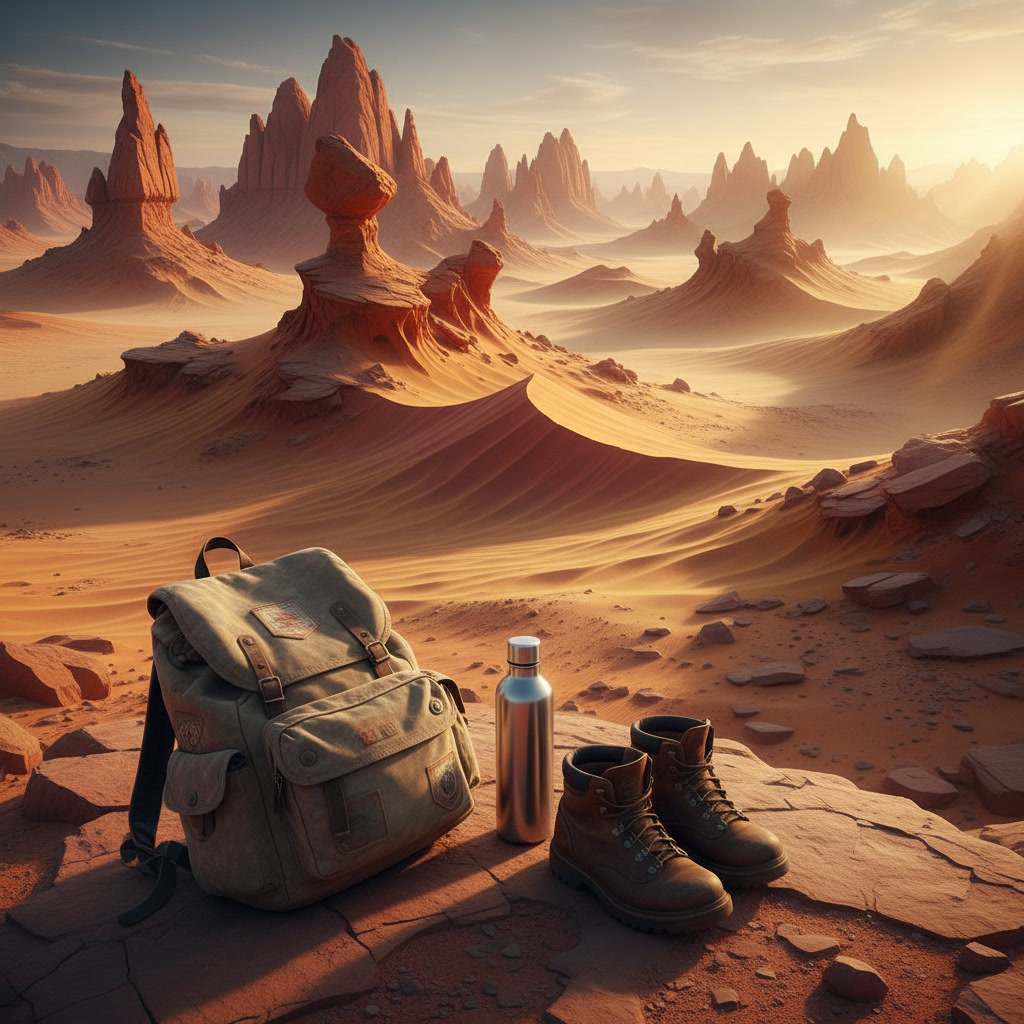
Many deserts look like scenes from science fiction movies. What makes them seem ‘alien' are their rare rock formations, endless sand dunes, and colors unlike anywhere else. For example, some deserts have pink, orange, or red sand. Others feature giant chalk formations or strange rock arches. These features create a landscape that feels far from ordinary.
The Role of Climate, Colors, and Terrain in Shaping Experience
Deserts are shaped by extreme conditions. Hot temperatures, cold nights, dry air, and little vegetation all contribute to their unique character. The colors of the sand and rocks change as the sun moves across the sky. Sharp cliffs, rippling dunes, and wide salt flats add to the feeling of being on another planet. These elements combine to offer travelers a memorable, almost magical experience.
Preparation: Essential Tips for Visiting Surreal Desert Destinations
Best Time of Year for Desert Adventures in 2026
Visiting deserts is safest and most enjoyable during their cooler months. In the Northern Hemisphere, plan your trip between October and March. In the Southern Hemisphere, May to September is best. Check local weather before going—some deserts can be dangerously hot in summer or surprisingly cold at night.
Packing and Safety Checklist for Extreme Environments
- Bring light, long-sleeve clothing for sun protection and warmth at night.
- Wear a wide-brimmed hat, sunglasses, and sunscreen.
- Carry enough water—at least 3 liters per day per person.
- Use sturdy boots for walking on rocks and sand.
- Take a map, compass or GPS; don’t rely only on your phone.
- Pack snacks and a basic first aid kit.
- Consider a lightweight tent and sleeping bag for overnight trips.
- Bring a flashlight or headlamp for nighttime activities.
Sustainable and Respectful Desert Travel Practices
- Stay on marked paths to protect fragile plants and avoid disturbing wildlife.
- Do not remove rocks, sand, or plants as souvenirs.
- Bring all your trash back with you to protect the environment.
- Support local communities by buying local products and services.
- Learn about local customs and rules before you go.
Top Desert Destinations That Feel Like Another Planet
Atacama Desert, Chile – Mars on Earth
The Atacama is known as the driest desert on Earth. Its red, rocky landscape looks like Mars. You can find salt flats, geysers, and star-filled skies at night.
Wadi Rum, Jordan – The Valley of the Moon
Wadi Rum is famous for its pink sands and giant rocks. It has been a filming location for many space movies thanks to its lunar-like appearance. Stay in a Bedouin campsite for a true desert experience.
White Desert, Egypt – Chalk Formations from Another World
The White Desert is covered with huge, bright white rock shapes. They look like giant mushrooms or animals. This desert feels like walking on a distant planet’s surface.
Namib Desert, Namibia – Timeless Red Dunes
The Namib is home to some of the world’s tallest sand dunes, glowing orange and red. Dead Vlei, with its ancient, dried trees, is an iconic and strange scene.
Lençóis Maranhenses, Brazil – Surreal Sand and Water Landscapes
Unlike most deserts, Lençóis Maranhenses fills with rainwater lagoons from June to September. Rolling white sand dunes stretch out in all directions, interrupted by blue and green pools.
Valley of Fire, USA – Fiery Rocks and Alien Vistas
Located in Nevada, Valley of Fire gets its name from red sandstone formations. The landscape is full of arches, bright rocks, and petroglyphs left by ancient people.
Other Hidden Gem Deserts Worth Exploring in 2026
- Gobi Desert, Mongolia/China – Stunning sand dunes and dinosaur fossils.
- Simpson Desert, Australia – Endless red sand and vibrant wildflowers after rain.
- Dasht-e Kavir, Iran – Salt flats with mysterious shapes and patterns.
How to Plan a Journey to These Alien-Like Deserts
Travel Logistics and Entry Requirements for 2026
- Check visa policies and entry requirements for your chosen country.
- Research local transport—the nearest airports, buses, or car rentals.
- Book your accommodations early, especially during popular seasons.
- Confirm health requirements like vaccinations or travel insurance.
Guided Tours vs. Independent Travel: Pros and Cons
| Option | Advantages | Disadvantages |
|---|---|---|
| Guided Tours | Expert guidance, safety, easier logistics, deeper insights | Less flexibility, higher cost, group travel required |
| Independent Travel | Choose your itinerary, freedom to explore, often lower cost | More planning needed, safety risks, may miss hidden details |
Local Culture, Ethics, and Interactions
- Learn and follow local customs, especially in sacred or protected areas.
- Respect indigenous communities and ask permission before taking photos.
- Support local businesses for tours, food, and souvenirs.
- Avoid giving gifts to children in remote areas to prevent dependency.
Capturing the Magic: Photography and Stargazing Tips in Otherworldly Deserts
Gear Recommendations for 2026
- Camera with manual settings for low light and creative shots.
- Wide-angle lens for sweeping landscapes.
- Tripod for steady photos and night sky images.
- Extra batteries and memory cards (charging may be difficult).
- Binoculars or telescope for astronomy.
- Power bank and protective cases for electronics.
Best Locations and Techniques for Stunning Desert Photos
- Shoot during golden hour (sunrise or sunset) for dramatic colors.
- Look for interesting shadows, patterns in sand, and unusual rock shapes.
- Use foreground—like plants or rocks—to give photos depth.
- Try night photography to capture the Milky Way in clear desert skies.
Night Sky Wonders: Astronomy Experiences
- The Atacama Desert and Namib are some of the world’s best stargazing spots.
- Look for meteor showers and constellations with the naked eye or through telescopes.
- If available, join guided night tours to learn about astronomy and local legends.
FAQ: How to Safely and Responsibly Travel to Desert Destinations That Feel Like Another Planet
Q1: Is desert travel safe for beginners?
Yes, with proper preparation and research, beginners can safely visit deserts. Traveling with a guide is recommended for first-timers.
Q2: What if I get lost or run out of water?
Always travel with a guide or tell someone your route. Pack extra water. If lost, stay put and signal for help if you can.
Q3: How do I keep my impact low on fragile desert environments?
Stay on trails, take only photos, pack out all trash, and avoid disturbing wildlife or plants.
Q4: What health precautions should I take?
Use sunscreen, drink plenty of water, and rest in the shade when needed. Check for any required vaccines for your destination.
Q5: Do I need special permissions to visit protected desert areas?
Some deserts have entry fees or require permits. Always check with local authorities before you go.
Summary: Key Points and Next Steps
- Desert destinations offer landscapes and experiences that feel like another planet.
- Careful planning, respect for nature and culture, and proper gear are the keys to a safe and enjoyable trip.
- Follow sustainability tips to protect these magical locations for future travelers.
- Start by choosing your destination, checking requirements, and preparing your adventure kit.
- Traveling to these unique deserts is not just a trip—it’s a chance to explore the extraordinary side of our world.