Why Choose a Rainforest Adventure? Exploring Unique Ecosystems
Rainforests are some of the most fascinating and important places on Earth. They are home to a huge variety of plants and animals, many of which are not found anywhere else. For nature-loving travelers, exploring a rainforest gives you the chance to experience unique ecosystems up close, learn about conservation, and support the protection of these precious habitats. Rainforest adventures are an exciting way to connect with the natural world in a responsible and meaningful way.
Top Rainforest Destinations for Eco-Conscious Travelers
Amazon Rainforest Expeditions
The Amazon Rainforest, spanning several South American countries, is the largest rainforest on Earth. Here, travelers can go on river cruises, hike jungle trails, and observe wildlife such as monkeys, sloths, and exotic birds. Indigenous guides can teach you about the traditional uses of local plants and the challenges facing the Amazon ecosystem.
Costa Rica's Biodiverse Reserves
Costa Rica is famous for its protected rainforests, including Monteverde Cloud Forest Reserve and Corcovado National Park. These areas are known for their biodiversity, including rare frogs, colorful butterflies, and hundreds of bird species. Eco-lodges and guided tours allow travelers to explore with minimal environmental impact.
Borneo's Ancient Jungles
Borneo's rainforests are among the oldest in the world. They're home to incredible wildlife like orangutans, pygmy elephants, and the endangered proboscis monkey. Local conservation centers offer chances to see animals and learn how to help protect them.
African Rainforest Safaris
The rainforests of Central and West Africa, such as the Congo Basin, provide a different kind of adventure. Gorilla trekking, birdwatching, and cultural tours with local communities make these destinations special for travelers seeking something unique while supporting conservation efforts.
How to Prepare for Rainforest Adventures
Essential Packing List for Nature-Loving Travelers
- Lightweight, long-sleeved shirts and pants for sun and insect protection
- Waterproof jacket or poncho
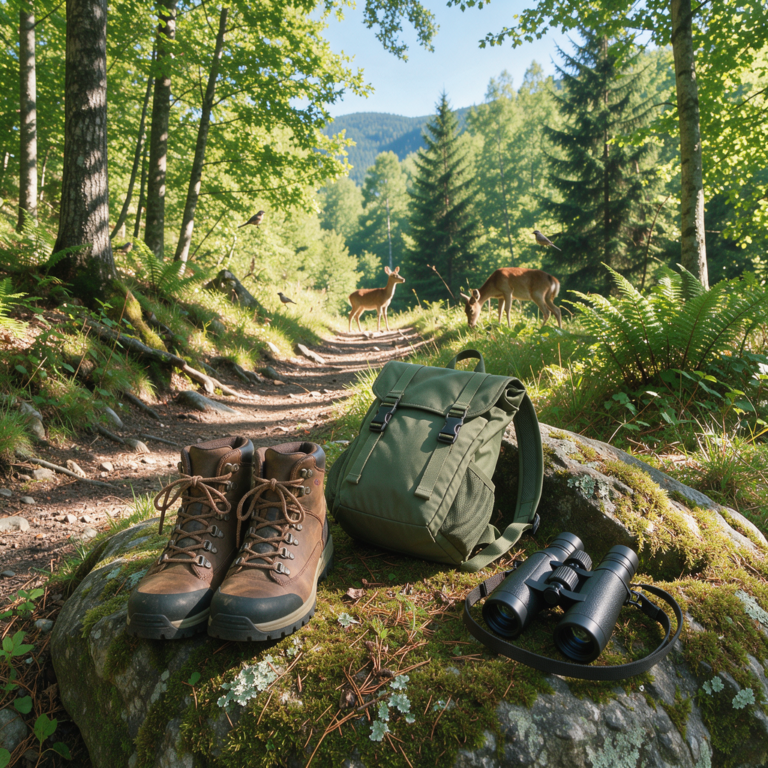
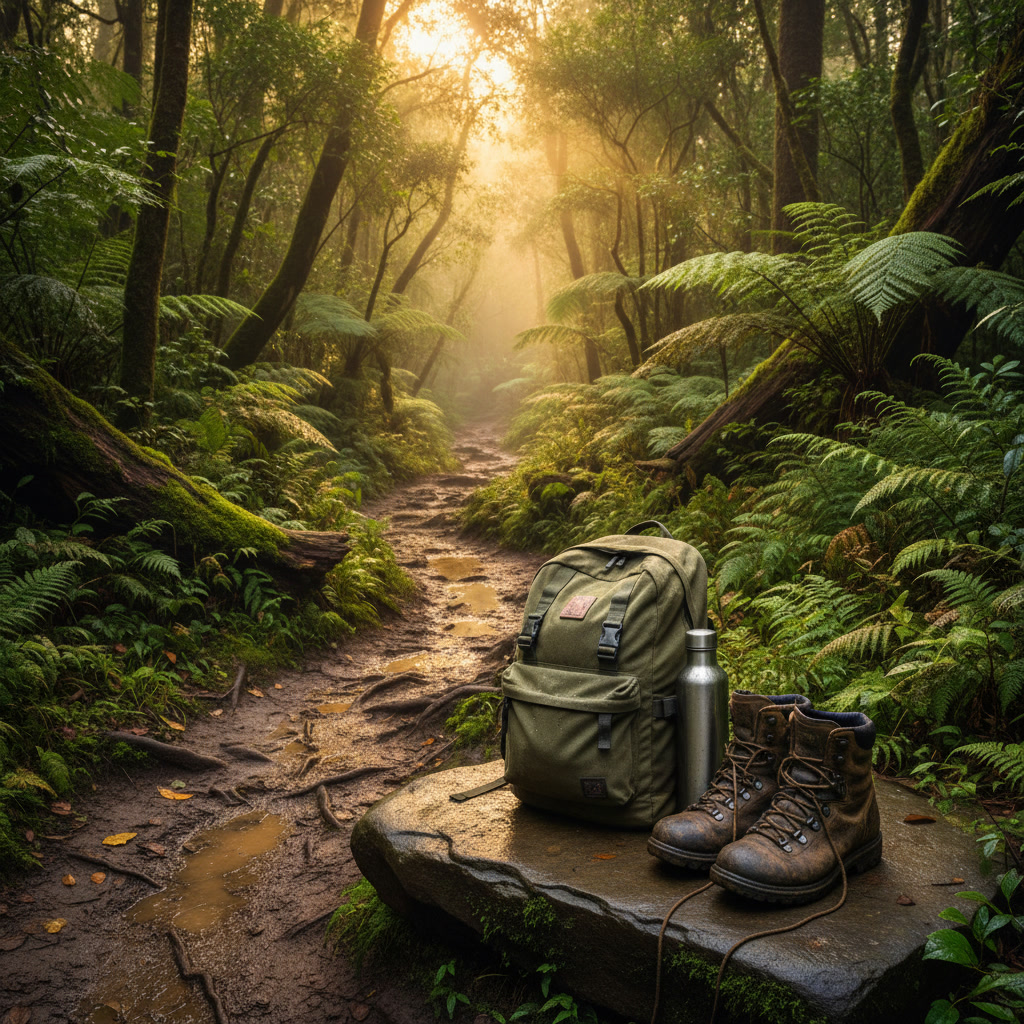
- Comfortable hiking shoes or boots
- Quick-dry socks and underlayers
- Wide-brimmed hat and sunglasses
- High-SPF sunscreen and insect repellent with DEET or natural alternatives
- Reusable water bottle and purification tablets
- Personal first-aid kit, including any medications
- Binoculars and camera with spare batteries
- Rain cover for bags and electronics
Safety Tips for Rainforest Exploration
- Always go with a certified guide who knows the area.
- Stay on marked trails to avoid getting lost and protect fragile habitats.
- Do not touch, feed, or disturb animals or plants.
- Stay hydrated and eat snacks regularly to keep your energy up.
- Inform someone of your plans and expected return time.
- Carry a whistle and basic compass for emergencies.
Health Precautions and Vaccines for 2026
- Check for required vaccines such as yellow fever, hepatitis A and B, and typhoid before you travel.
- Talk to your doctor about malaria prevention medicine suited for your destination.
- Pack any personal medications and a basic first-aid kit including treatments for bites, cuts, and allergies.
- Bring hand sanitizer and avoid drinking untreated water.
Eco-Friendly Travel Tips for the Rainforest
Sustainable Tour Operators and Guides
- Choose local guides and companies certified by organizations promoting eco-friendly practices.
- Support tours that limit group sizes for minimum impact.
- Ask about their conservation efforts and community support programs.
Minimizing Environmental Impact
- Stick to established trails to avoid harming sensitive plants or animals.
- Pack out all trash, including food wrappers and plastics.
- Use biodegradable soap and avoid single-use plastics.
- Do not collect plants, stones, or animal products as souvenirs.
Best Rainforest Activities for Nature-Loving Travelers
Wildlife Watching Techniques
- Move slowly and quietly to avoid disturbing animals.
- Use binoculars for close-up views without getting too near.
- Respect animal space and avoid using loud noises or flash photography.
Guided Nature Hikes & Plant Identification
- Join guided hikes to learn about rare and endemic plant species.
- Use a pocket field guide or a smartphone app for identification.
- Listen carefully to your guide for local legends and traditional plant uses.
River Rafting and Canopy Tours
- Experience rainforest rivers by guided canoe, raft, or kayak to spot wildlife.
- Try canopy tours or zip-lining for a bird’s-eye view of the treetops and animals that live there.
- Always use safety gear and follow instructions during these activities.
Nighttime Rainforest Adventures
- Take night hikes with guides to see nocturnal creatures such as frogs, insects, and bats.
- Use red-filtered flashlights to minimize disturbance.
- Wear closed shoes and avoid touching unknown plants or creatures.
Responsible Wildlife Encounters: Ethics and Conservation
Interacting with wildlife in the rainforest is an incredible experience that comes with responsibilities. It is important to observe animals from a distance and never try to touch or feed them. Support wildlife sanctuaries that focus on rehabilitation and education, not entertainment. Choosing ethical wildlife encounters helps protect endangered species and supports conservation work in rainforest regions.
Frequently Asked Questions About Rainforest Adventures in 2026
- Is it safe to travel to rainforests in 2026?
Yes, if you follow expert advice, get appropriate vaccines, and travel with local guides. Stay informed about political and health updates for your destination. - What is the best time of year to visit rainforests?
Many rainforests have a wet and dry season. Generally, the dry season is best, but some wildlife is more active during wet months. Check local weather before planning. - Can families with children join rainforest tours?
Yes! Many tours are suited to all ages. Ask for family-friendly guides and activities. Prepare for changing conditions and always watch children closely. - How do tours help local communities?
Ethical tours hire local guides, support schools, and donate to conservation projects. Your choice helps rainforest communities thrive. - How do I lower my carbon footprint when traveling?
Fly less, use public or shared transport, stay in eco-lodges, and offset emissions where possible.
Conclusion: Key Takeaways and Next Steps
- Rainforest adventures offer unique, life-changing experiences for nature lovers.
- Choose your destination and tour company thoughtfully for maximum impact and minimal harm.
- Prepare carefully, respect wildlife, and leave no trace behind.
- Continue learning about conservation and share your rainforest stories to inspire others.
If you are passionate about nature and want to make a difference, start planning your rainforest adventure today. Choose responsible operators, prepare well, and be an ambassador for environmental protection wherever you go. The rainforest is waiting for you—explore it with care!