Understanding Slow Living: Key Concepts for Busy People
What Is Slow Living?
Slow living is a lifestyle that encourages mindfulness, simplicity, and being present. It’s about enjoying life at a comfortable pace, even when you’re busy. Slow living doesn’t mean doing everything slowly. It means focusing on what matters, avoiding distractions, and finding calm in everyday moments.
The Benefits of Slow Living for Busy Schedules
Busy schedules can be stressful. Adopting slow living ideas helps reduce anxiety, increases focus, and improves wellbeing. Practicing slow living can help you make thoughtful choices, prevent burnout, and make time feel more meaningful. Many people find they become more productive and creative when they slow down.
Common Misconceptions About Slow Living
- People think slow living takes too much time, but it’s more about quality than quantity.
- Some believe slow living means laziness, but it actually encourages mindful action.
- It’s not about avoiding responsibilities. Slow living helps you manage tasks with purpose.
How to Incorporate Slow Living Ideas Into a Hectic Routine
Microhabits for Mindful Living
- Start with Breathing: Take three deep breaths before important tasks.
- Pause Before Responding: Wait five seconds before answering questions or emails.
- Daily Gratitude: Write one thing you’re grateful for each day.
Slow Morning Routines That Don’t Waste Time
- Wake Up Mindfully: Sit up in bed and stretch for one minute. Notice your surroundings.
- Hydrate: Drink a glass of water before coffee or tea.
- Intentional Planning: List top three priorities for the day.
Lunchtime Breaks: Mindful Moments on a Tight Schedule
- Digital-Free Lunch: Eat without screens for ten minutes.
- Outdoor Pause: Step outside, even for five minutes, to clear your mind.
- Short Walks: Walk slowly and notice your environment.
Evening Rituals for Relaxation Despite Workloads
- Reflect: Write or think about one positive event from your day.
- Disconnect: Turn off digital devices at least 30 minutes before sleeping.
- Read or Listen: Choose a book or calming audio for ten minutes.
Practical Slow Living Ideas for Work, Home, and Commuting
Slow Living at Work: Focusing, Pausing, and Disconnecting
- Single Task Focus: Complete one task at a time, avoid multitasking.
- Scheduled Pauses: Set a timer for short breaks every hour.
- End-of-Day Ritual: Clear your workspace and plan tomorrow’s first task.
Home Organization for Calm Spaces
- Declutter One Area: Pick one space to tidy daily.
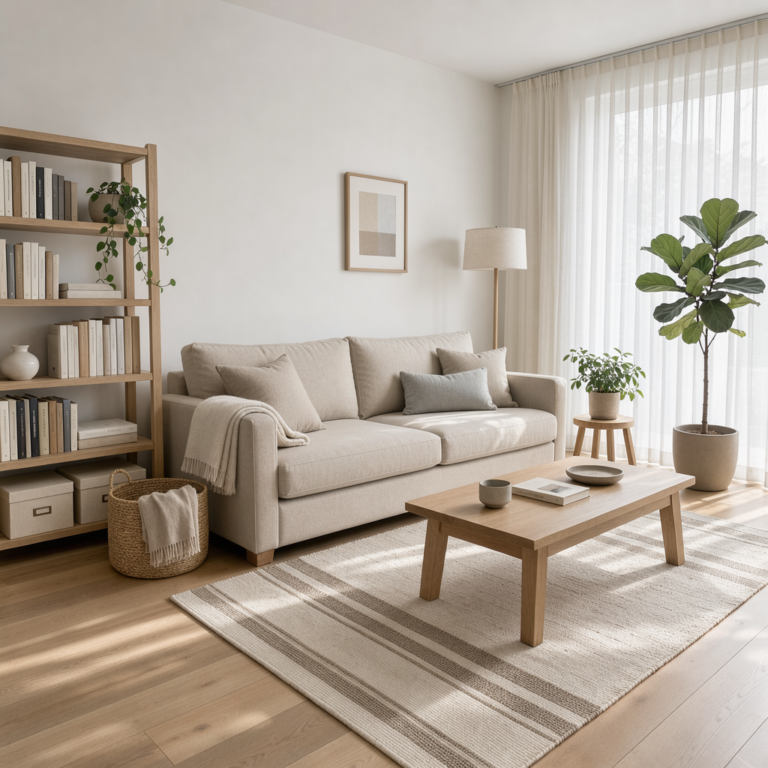
- Maintain Minimal Decor: Keep only useful or meaningful items visible.
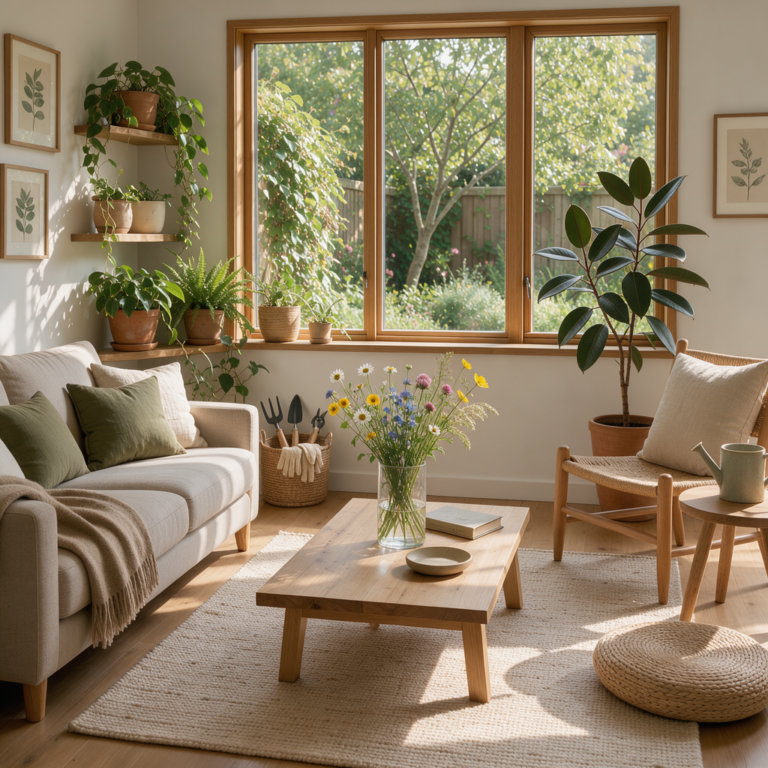
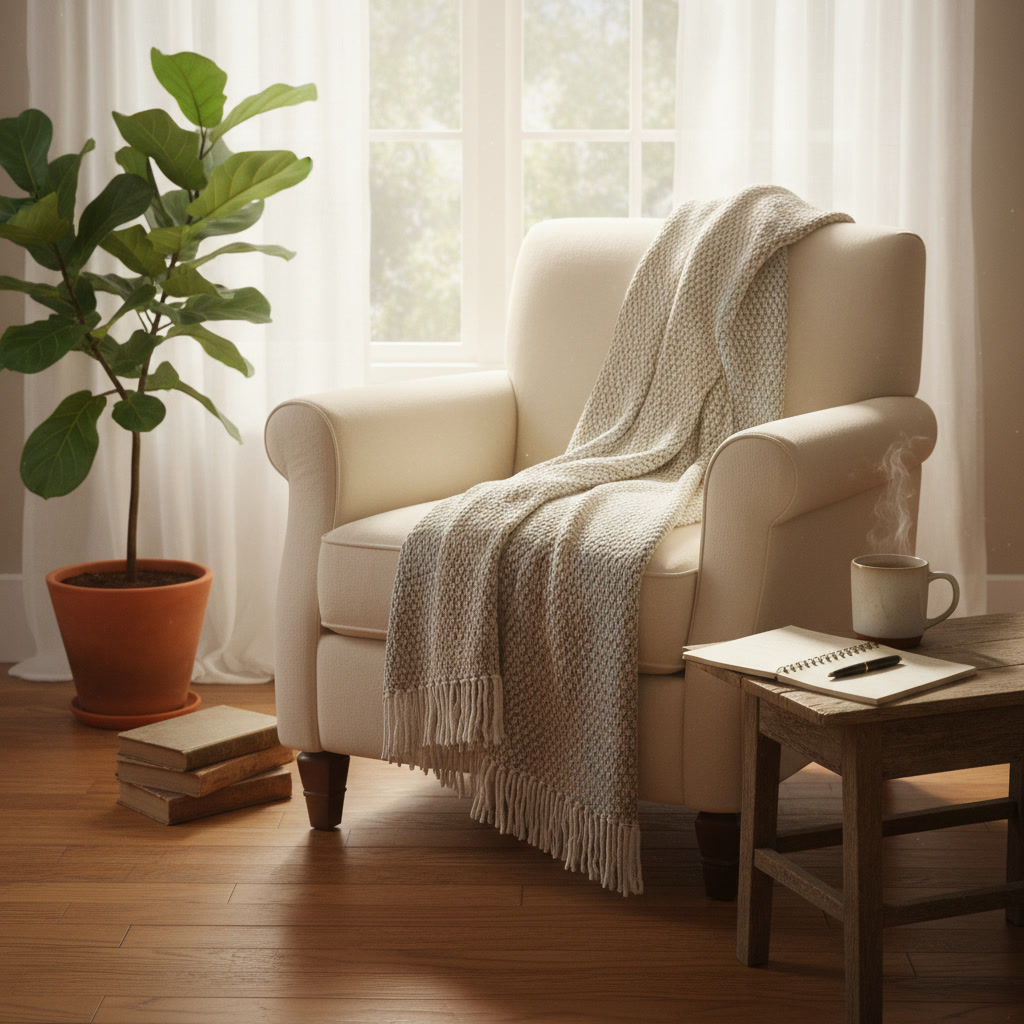
- Nature Elements: Place a plant or flower in your main living area.
Mindful Commuting and Travel Tips
- Listen Mindfully: Choose calming audio or music during travel.
- Observe Surroundings: Notice sights, sounds, and sensations.
- Arrive Early: Plan to be a few minutes early to reduce rushing.
Slow Living Digital Detox Ideas That Are Realistic
Quick Digital Detox Strategies for Busy Professionals
- Set Short Screen-Free Times: Try 15 minutes without devices each day.
- Silent Notifications: Turn off non-urgent alerts during deep work.
- Device-Free Zones: Designate one space at home for no technology.
Setting Boundaries: Screen-Free Hours in a Packed Day
- Meal Times: Keep meals and snacks tech-free.
- Bedtime Routine: Avoid screens at least 30 minutes before sleep.
- Family Time: Schedule regular screen-free activities together.
Using Technology Mindfully for Productivity
- Purposeful Use: Ask yourself if each screen time session has a clear goal.
- Limit Social Apps: Set app usage timers.
- Organize Digital Tasks: Use calendars or reminders efficiently.
Personalized Slow Living: Tips for Different Lifestyles
Slow Living for Parents with Busy Children
- Shared Mindful Moments: Practice quiet time together for five minutes.
- Simple Family Routines: Ease evenings with easy meal and bedtime rituals.
- Screen-Free Play: Encourage creative activities with no tech.
Ideas for Young Professionals and Students
- Time Blocking: Schedule both work and break times clearly.
- Group Mindfulness: Include friends or classmates in slow living activities.
- Reflection Journals: Keep a simple journal for daily thoughts.
Adapting Slow Living for Shift Workers and Remote Employees
- Personal Quiet Time: Use shift transitions for short personal pauses.
- Flexible Rituals: Adjust slow living activities to fit variable schedules.
- Remote Tech Boundaries: Set work-home limits for screen use.
Frequently Asked Questions: Slow Living for Busy Schedules
- Q: Is slow living possible for busy people? A: Yes, small changes make a big difference.
- Q: Does slow living mean working less? A: No, it means working mindfully and efficiently.
- Q: How to manage slow living with digital demands? A: Set boundaries and use technology purposefully.
Tutorial Value and Background
This guide shows practical ways to enjoy slow living even with a tight schedule. It helps reduce stress, improve focus, and build better daily habits. The tips are simple, actionable, and fit different lifestyles.
Preparation: Tools and Materials Needed
- Notebook or journal
- Timer or phone alarm
- Calming audio/music
- Plant or nature element
- Digital calendar/reminder app
Step-by-Step Tutorial
- Prepare Your Environment: Select and organize a calm space, declutter, and add nature elements.
- Begin Your Day Mindfully: Start with mindful breathing and a quick plan for priorities.
- Practice Microhabits: Add small pauses and moments of gratitude throughout your day.
- Take Intentional Breaks: Use lunch or short walks to reset focus without screens.
- Apply Slow Living in Work Tasks: Focus on single-tasking and schedule short breaks.
- Organize Digital Detox: Set device-free times, silent notifications, and tech boundaries.
- Personalize Rituals: Adapt routines for family, work, or unique schedules.
- End Your Day with Reflection: Write or think about positives and disconnect before bed.
Common Problems and Solutions
| Problem | Solution |
|---|---|
| No time for breaks | Combine breaks with necessary tasks, like mindful eating or stretching |
| Difficulty unplugging | Use timers and device-free zones |
| Distractions | Single-task focus and scheduled pauses reduce interruptions |
| Family or work demands | Adapt rituals, involve others, and use flexible routines |
Advanced Tips for Improving Your Slow Living Practice
- Gradually increase screen-free times
- Experiment with different mindful activities (like creative hobbies)
- Review weekly routines and adjust for balance
- Share slow living practices with friends and family for support
Conclusion: Key Takeaways and Next Steps
Busy people can practice slow living through microhabits, mindful breaks, and personalized rituals. Start with small changes and build new routines week by week. This guide offers practical steps suitable for all lifestyles. Try the steps, adapt them, and share slow living ideas with your circle.