Understanding Wildlife-Friendly Gardening in Small Spaces
What Is Wildlife-Friendly Gardening?
Wildlife-friendly gardening is about creating habitats that attract and support local animals, birds, insects, and pollinators. Even in a small space, you can help the environment and bring nature closer to home. You use plants, water features, and shelter to welcome wildlife.
Benefits of Wildlife Gardening for Urban and Suburban Dwellers
Wildlife gardens help biodiversity. They provide safe spots for pollinators like bees and butterflies and support small birds. For people living in cities or suburbs, these gardens offer relaxation, improve air quality, and teach about nature up close.
Assessing Your Small Space: Balconies, Patios, and Tiny Yards
Factors to Consider Before You Start
Before you begin, measure your available space. Check how much sunlight and shade it gets. Note if you have wind or rain exposure. See if you have place for pots, shelves, or hanging baskets. Make sure your building rules allow changes.
Creative Space-Saving Ideas for Wildlife Habitats
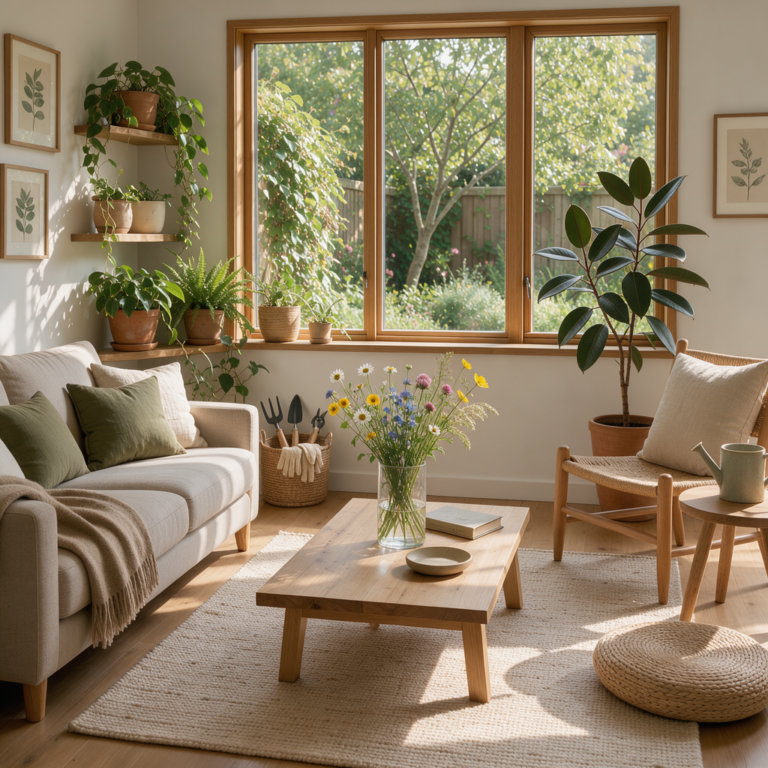
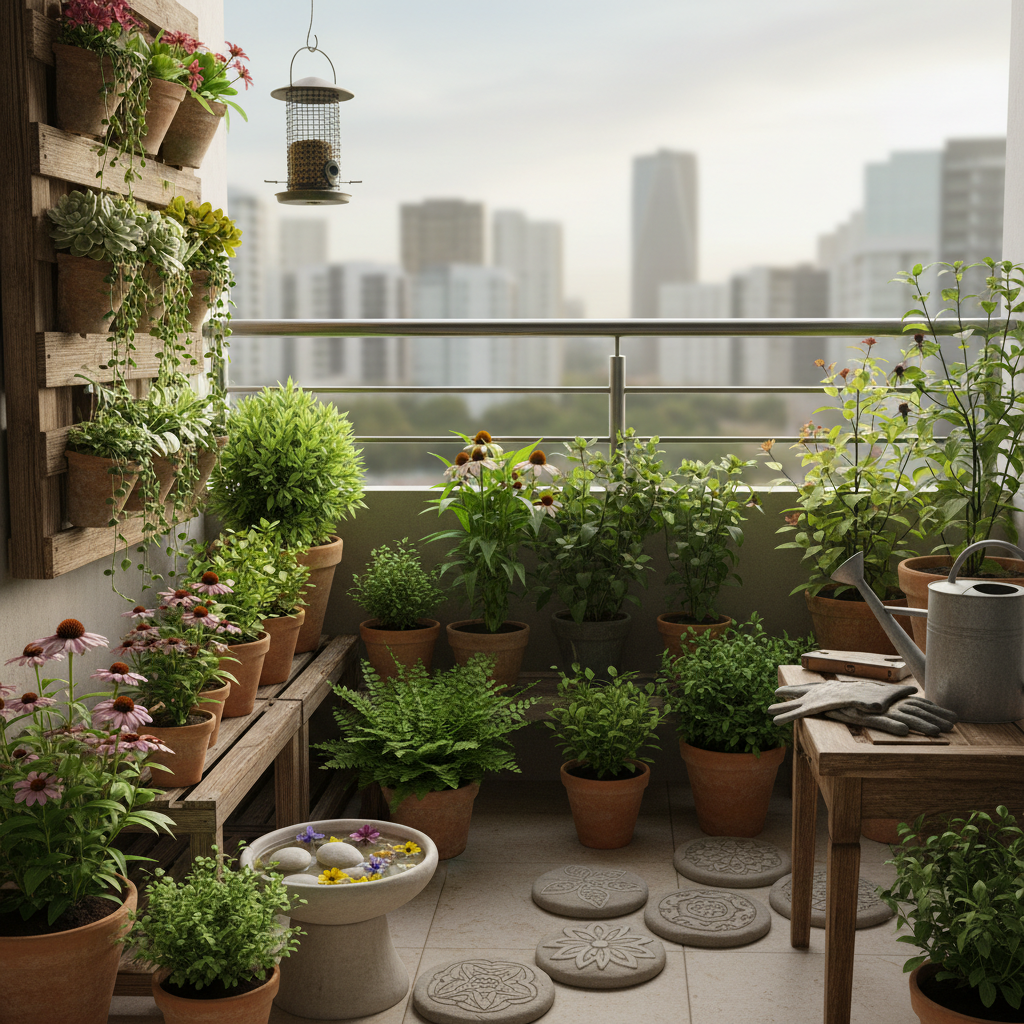
- Vertical gardens using wall-mounted planters or trellises
- Stacked pots or tiered shelves for more planting space
- Hanging baskets for flowers or herbs
- Mini ponds using large bowls or containers
- DIY birdhouses and bug hotels hung from railings
Selecting the Right Plants for a Wildlife-Friendly Garden Without a Large Backyard
Best Native Plants for Pots and Containers
- Choose native wildflowers like Black-eyed Susan, Coneflower, or California poppy.
- Use native grasses such as Little Bluestem or Fountain Grass.
- Pick small shrubs or bushes suitable for containers, like Butterfly Bush or Native Honeysuckle.
Flowering Plants, Grasses, and Herbs to Attract Local Wildlife
- Lavender and Mint attract bees.
- Sunflowers draw birds and butterflies.
- Milkweed is vital for Monarch butterflies.
- Thyme, Sage, and Chives offer nectar and shelter for insects.
Essential Wildlife Features for Tight Outdoor Spaces
Mini Ponds and Water Sources for Pollinators and Birds
- Choose a watertight container or bowl.
- Add pebbles or small rocks for insects to land safely.
- Place the pond somewhere shady, but with some sunlight.
- Change water regularly to avoid mosquitoes.
Nesting Sites and Shelter: DIY Birdhouses, Bee Hotels, and Bug Boxes
- Birdhouses: Use untreated wood and make a small entry hole. Hang the house where birds feel safe.
- Bee Hotels: Drill holes in blocks of wood or use bamboo tubes. Hang the hotel away from heavy rain.
- Bug Boxes: Fill small boxes with sticks, leaves, and bark. Place them near plants.
Sustainable Practices in Small-Scale Wildlife Gardening
Pesticide-Free Gardening and Natural Pest Control
- Choose biological controls like ladybugs.
- Mix garlic spray or soapy water for natural pest deterrent.
- Remove pests by hand when possible.
Composting and Soil Health in Compact Spaces
- Use a small countertop compost bin or worm farm.
- Mix compost with container soil for nutrients.
- Avoid overusing fertilizers to protect soil and wildlife.
Maintenance Tips for a Thriving Wildlife-Friendly Garden Without a Large Backyard
Seasonal Care Routines
- Spring: Plant new natives and clean water features.
- Summer: Water regularly and deadhead flowers.
- Autumn: Collect seeds and remove weak plants.
- Winter: Add mulch to protect roots and leave stems for shelter.
Monitoring and Enjoying Visiting Wildlife
- Keep a journal or calendar of wildlife visits.
- Use binoculars or cameras to watch birds and insects.
- Observe activity at water sources and nesting sites.
Common Challenges and Practical Solutions
Managing Pests and Urban Wildlife Issues Responsibly
- If squirrels or pigeons disturb your space, use safe deterrents like mesh covers or reflective tape.
- If insects become pests, check for balance and invite natural predators.
- Keep water clean to avoid mosquitoes.
Balancing Human Needs with Wildlife Conservation
- Place wildlife features where they do not block pathways or views.
- Choose plants that are safe for humans and pets.
- Keep your garden tidy to prevent mold or allergens.
Inspiring Real-Life Examples of Wildlife-Friendly Gardening Without a Large Backyard
Many people create wildlife gardens on balconies and patios. For example, some grow wildflowers in window boxes and hang bee hotels outside. Others use stacked containers with native grasses and herbs. These gardens attract butterflies and birds, bringing nature to even the smallest space.
Frequently Asked Questions About Small-Scale Wildlife Gardening
- Can I attract wildlife if I only have a balcony? Yes! Use pots and vertical gardens, birdhouses, and bug hotels.
- Do I need expensive tools? No, you can make most features from recycled materials.
- How do I stop mosquitoes in my mini pond? Change water often and add moving water like a small fountain.
- What plants work best? Native wildflowers, herbs, and grasses in containers.
- Is pesticide-free gardening safe? Yes, it protects both wildlife and people.
Preparation: Tools and Materials Needed
- Pots or containers (various sizes)
- Native plants, seeds, or seedlings
- Compost or organic soil
- Water container for mini pond
- Wood or bamboo for birdhouses and bee hotels
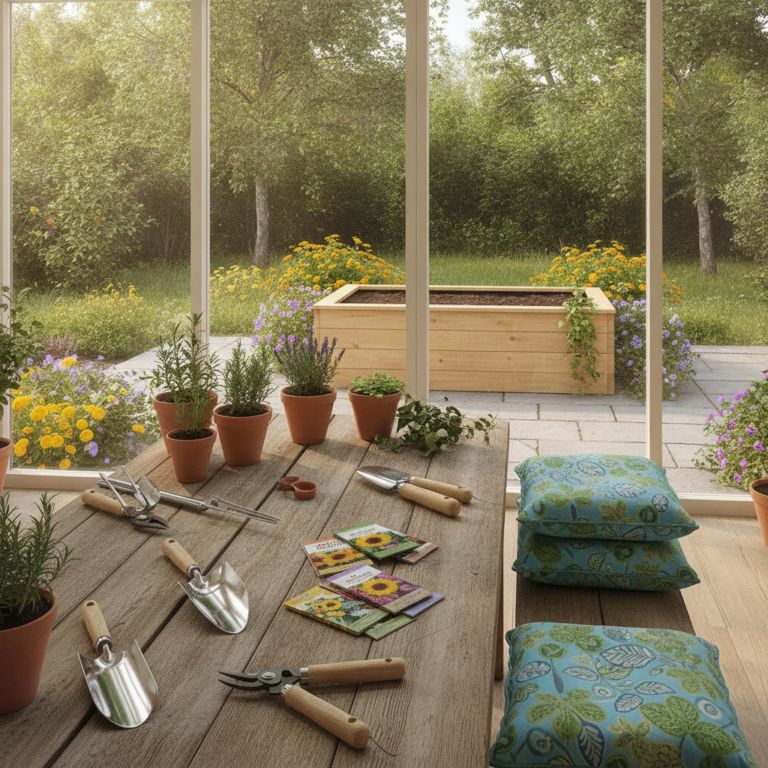
- Hand tools (small trowel, watering can, scissors)
- Journal or smartphone for recording wildlife sightings
Step-by-Step Tutorial: Creating Your Wildlife-Friendly Garden
- Assess Your Space
Measure the area and note sunlight, rain, and wind exposure. Decide where you can place pots or hang wildlife features.
- Choose Native Plants
Select wildflowers, herbs, and grasses suited to your region. Buy seeds or seedlings from reliable sources.
- Plan Vertical or Layered Planting
Use shelves, hanging baskets, or wall planters to maximize space for wildlife habitats.
- Install Water Features
Set up a mini pond using a bowl or container. Add rocks for insects and place where birds can visit safely.
- Build and Hang Wildlife Shelters
Construct birdhouses, bug boxes, or bee hotels using natural materials. Hang them securely on walls or railings.
- Go Pesticide-Free
Use natural pest control like hand picking, beneficial insects, or safe sprays.
- Compost and Care for Soil
Start a small compost system. Mix compost into planting soil to keep plants healthy.
- Monitor Wildlife Visits
Record wildlife sightings and photograph visitors. Adjust garden features to attract different species.
Advanced Tips: Optimize and Improve Your Wildlife-Friendly Garden
- Rotate plant types seasonally to attract different wildlife.
- Install a solar-powered fountain for moving water.
- Group pots by plant type to boost flowering and shelter.
- Experiment with new native species each year.
- Connect with local wildlife organizations for more ideas.
Summary: Key Points and Next Steps
- Wildlife-friendly gardens thrive even in small spaces.
- Choose native plants and sustainable practices.
- Offer water, shelter, and food for wildlife.
- Monitor and adapt your garden for the best results.
- Your efforts help protect local biodiversity and bring nature to your doorstep.
Start today by assessing your space and choosing one feature to add. Small steps make a difference for wildlife and for your own enjoyment.