Understanding Seasonal Gardening: Why It Matters
The Benefits of a Year-Round Evolving Garden
Gardens that change with the seasons offer beauty all year, provide habitats for wildlife, and allow you to enjoy different plants and colors. They add value to your home and create interest every month.
Key Seasonal Gardening Concepts
Seasonal gardening means planning, planting, and maintaining gardens that look good in every season. It uses different plants, garden zones, and design features to make sure your garden is always interesting.
Climate and Zone Considerations for 2026
Knowing your climate zone is important. In 2026, climate changes may influence plant choices. Understanding your local climate, frost dates, and rainfall helps you pick plants that will survive and thrive.
Planning Your Seasonal Garden Design
Mapping Out Your Garden for Year-Round Interest
- Make a sketch or map of your garden space.
- Mark sunny, shady, and windy spots.
- Decide where you want main features (flower beds, trees, paths).
- Plan areas for color and interest in each season.
Selecting Plants for Winter, Spring, Summer, and Autumn
- List plants that bloom or look good in each season.
- Choose spring bulbs, summer flowers, autumn grasses, and winter shrubs.
- Balance tall, short, and ground-cover plants.
- Check plant tags for bloom time and hardiness.
Color Palettes, Textures, and Structural Elements
- Pick color schemes that change during the year (cool colors for spring, warm colors for autumn).
- Add plants with interesting leaves, bark, and stems for winter.
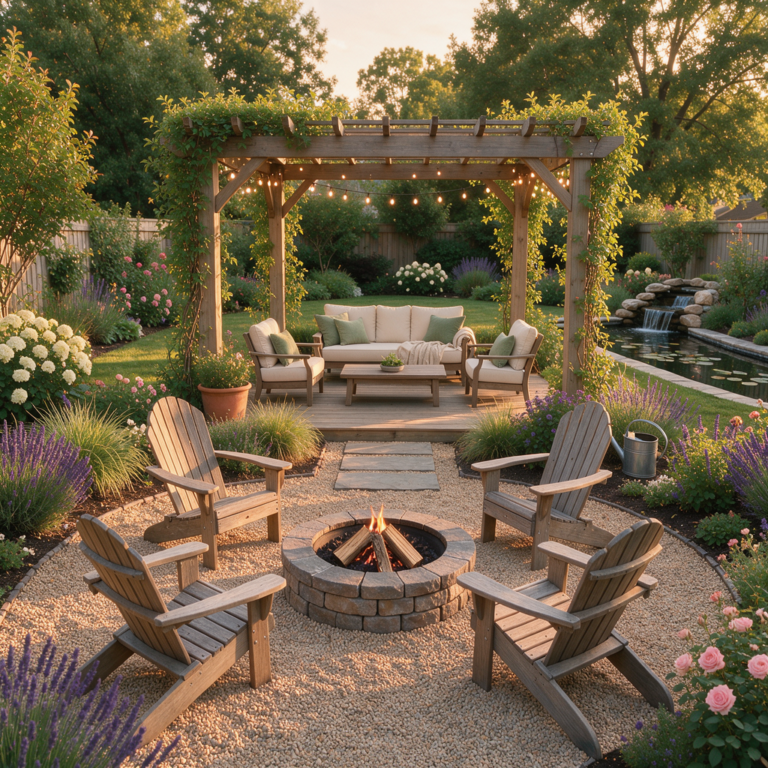
- Include garden structures like benches, paths, or arches for visual interest.
- Mix textures: soft grasses, spiky plants, smooth leaves.
Incorporating Evergreen and Deciduous Choices
- Select evergreen shrubs for year-round greenery.
- Mix in deciduous trees that change with the seasons.
- Use conifers for structure and color during winter.
- Balance evergreen and deciduous plants to avoid a dull winter garden.
Planting Strategies for Dynamic Seasonal Changes
Succession Planting for Continuous Blooms
- Plant bulbs, annuals, and perennials that bloom one after another.
- Group plants in layers: spring bloomers, summer flowers, autumn seed heads.
- Mark your calendar to add new plants each season.
- Replace spent annuals with fresh ones for uninterrupted color.
Layering Techniques for Visual Interest All Year
- Start with tall trees and shrubs in the background.
- Plant medium-sized bushes and flowers in the middle.
- Use low-growing plants and ground covers at the front.
- Layer bulbs under shrubs for spring surprises.
Companion Planting to Enhance Seasonal Transitions
- Grow plants together that help each other (roses with lavender, tomatoes with basil).
- Pair early bloomers with late bloomers to fill gaps.
- Mix vegetables, flowers, and herbs to extend interest.
- Choose companion plants that repel pests or enrich soil.
Seasonal Garden Maintenance Tips and Best Practices
Spring: Pruning, Feeding, and Planting
- Prune dead branches and shape shrubs.
- Feed plants with balanced fertilizer.
- Plant new bulbs, flowers, and shrubs.
- Check for early pests and remove weeds.
Summer: Watering, Deadheading, and Pest Control
- Water early in the morning or late evening.
- Deadhead faded blooms to promote more flowers.
- Watch for pests like aphids and treat quickly.
- Mulch to keep soil moist and cool.
Autumn: Preparing for Dormancy and Planting Bulbs
- Clear fallen leaves and tidy beds.
- Plant bulbs for spring blooms.
- Cut back perennials and grasses.
- Feed soil with compost or organic matter.
Winter: Protecting Plants and Garden Structures
- Cover tender plants with mulch or garden fleece.
- Protect garden structures from snow and ice.
- Prune selected trees and shrubs.
- Plan new projects for spring.
Inspiring Examples: Gardens That Transform With the Seasons
Urban Seasonal Gardens
Small city gardens use vertical planting, containers, and evergreens. They combine fast-growing annuals with perennials for color in each season. Urban gardens can attract pollinators and birds all year.
Suburban and Rural Transformational Landscapes
Larger gardens have space for lawns, trees, and flower beds. These gardens use native plants, wildflowers, and woodland areas to create seasonal change and help wildlife thrive.
Small-Space and Container Solutions
Balconies and patios use pots, hanging baskets, and window boxes. Choose plants that bloom at different times, mix herbs with flowers, and rotate containers for maximum seasonal impact.
Common Challenges in Seasonal Gardening (and How to Overcome Them)
Unpredictable Weather and Climate Shifts in 2026
- Choose resilient plants that can handle extreme temperatures.
- Use watering systems or rain barrels in dry months.
- Protect plants during storms with covers or supports.
- Adapt quickly by replacing damaged plants with alternatives.
Pests and Diseases Across the Seasons
- Inspect plants regularly for signs of pests.
- Use natural pest controls like neem oil or ladybugs.
- Remove diseased leaves and discard them safely.
- Rotate crops and plant varieties to reduce disease risk.
Budget-Friendly Tips for Seasonal Updates
- Start plants from seeds instead of buying mature ones.
- Swap plants and seeds with friends or neighbors.
- Use recycled materials for garden structures and paths.
- Prioritize essential tools and buy quality items once.
Frequently Asked Questions About Creating a Garden That Changes With the Seasons
- Q: How can I keep my garden colorful all year?
A: Combine seasonal bloomers, evergreens, and use succession planting for continuous color. - Q: What tools do I need for a seasonal garden?
A: Basic garden tools: spade, fork, watering can, gloves, shears, and compost bin. - Q: Can I create a seasonal garden in a small space?
A: Yes! Use containers, vertical gardens, and select compact plants for maximum seasonal effect. - Q: How do I choose plants for unpredictable weather?
A: Pick adaptable, hardy varieties and include drought-resistant or frost-tolerant options. - Q: What is succession planting?
A: Succession planting means adding plants so something blooms every season, avoiding empty spots.
Preparation: Tools and Materials Needed
- Garden map or sketch pad
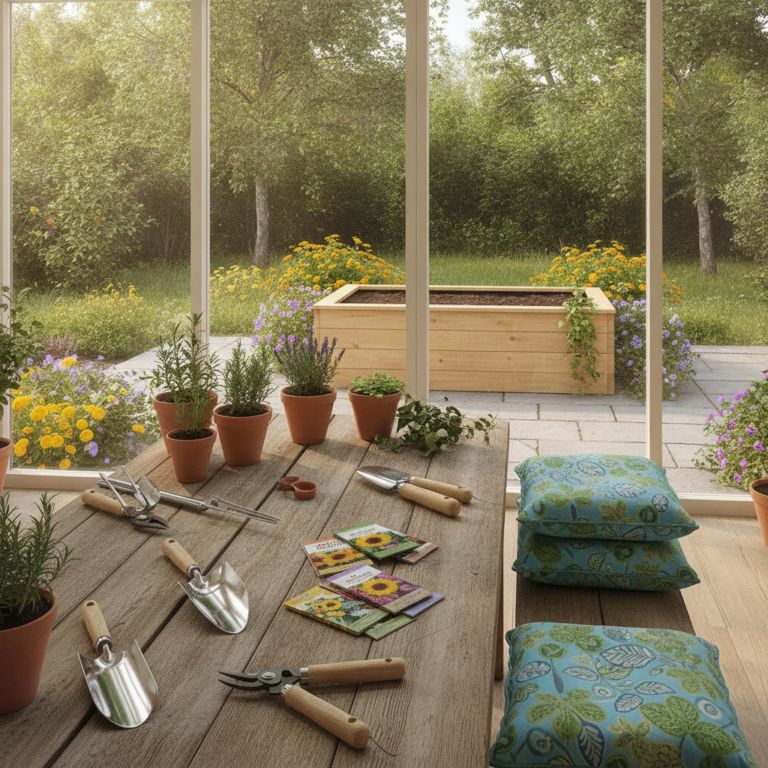
- Basic tools: spade, fork, gloves, watering can, pruners
- Seeds and young plants for all seasons
- Mulch, compost, plant food
- Containers or pots for small spaces
- Garden fleece or covers for delicate plants
- Calendar for planning bloom times
Step-by-Step Tutorial: Creating a Seasonal Garden
- Plan Your Garden Layout
- Map the space, marking sunny, shady, and wind-exposed areas.
- Designate zones for spring, summer, autumn, and winter interest.
- Choose Plants for Each Season
- List suitable plants for every season.
- Balance colors, heights, and textures.
- Prepare the Soil
- Clear old plants and weeds.
- Add compost or fertilizer.
- Mulch beds for moisture and weed control.
- Plant in Layers
- Begin with trees/shrubs, then smaller bushes, and finally ground covers.
- Plant bulbs under shrubs for spring color.
- Succession and Companion Planting
- Plant different bloomers with overlapping seasons.
- Pair friendly companion plants.
- Install Structural Elements
- Add garden paths, benches, or arbors.
- Arrange containers or pots for flexible seasonal planting.
- Seasonal Maintenance
- Follow pruning, watering, and pest control routines for each season.
- Keep a calendar to remind you of key tasks.
Expert Tips for Optimizing Your Seasonal Garden
- Mark plant tags with bloom times for easy planning.
- Use online apps to track growing conditions and maintenance schedules.
- Experiment with new plant varieties each year.
- Save seeds from favorite annuals and replant.
- Keep a garden journal of successes and challenges.
Summary: Key Points and Next Steps
- Seasonal gardening keeps your outdoor space beautiful all year.
- Careful planning, plant selection, and ongoing maintenance are essential.
- Tackle challenges with adaptable plants, smart watering, and eco-friendly solutions.
- Start small and expand as your confidence grows.
- Your garden can be a living, changing work of art—enjoy the process!