
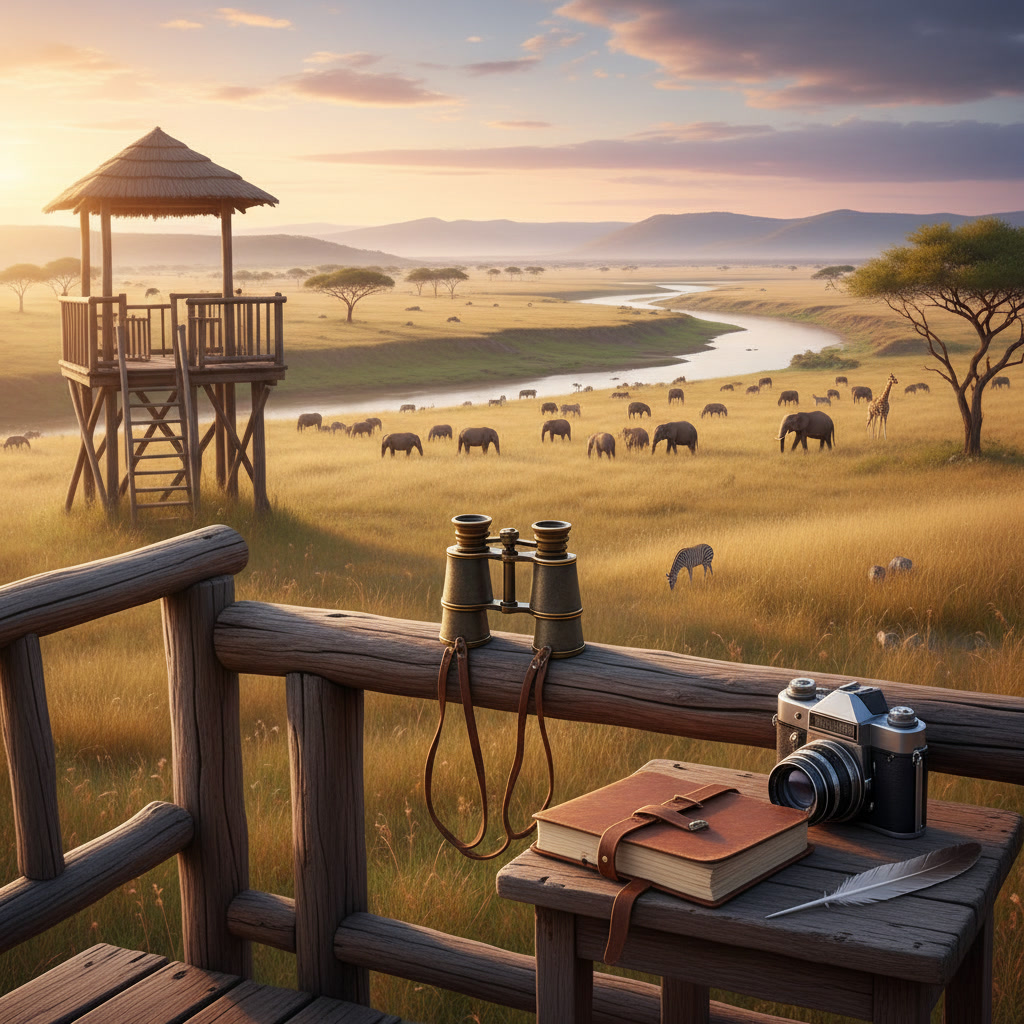
Understanding the Allure of Wildlife Encounters
Why Wildlife Experiences Are Travel Game-Changers
Wildlife encounters offer travelers a chance to connect with nature. They allow people to see animals in their natural habitats, which is both thrilling and educational. These adventures create unforgettable memories and often spark a lifelong interest in conservation. Observing wildlife can also inspire respect for the environment and its delicate balance.
Ethical Wildlife Tourism: What You Need to Know
Responsible wildlife tourism means respecting animals and their habitats. It is important to choose experiences that do not harm animals or disrupt their daily lives. Ethical travel supports conservation efforts and local communities. Before booking, ensure activities do not exploit or stress wildlife. Learning about ethical guidelines helps travelers make positive choices while enjoying nature.
Preparing for Memorable Wildlife Encounters Worth Traveling For
Researching Destinations for Responsible Encounters
- Identify the wildlife you want to see, such as elephants, whales, or rare birds.
- Search for destinations known for responsible wildlife tourism, like national parks or conservation areas.
- Read reviews and seek advice from conservation groups or travel experts.
- Check if the destination has rules protecting wildlife and habitats.
- Look for programs that support local communities and animals.
Packing Essentials for Wildlife Adventure Trips
- Comfortable, neutral-colored clothing to blend with the environment.
- Sturdy footwear for walking or trekking.
- Binoculars and a camera with zoom for safe viewing and photos.
- Insect repellent and sunscreen for health and comfort.
- A reusable water bottle to stay hydrated and reduce waste.
- A field guide or wildlife app to help with identification.
- Travel documents, permits, and emergency contact details.
Top Wildlife Encounters Worth Planning a Trip Around
African Safaris: Big Five in Their Natural Habitat
African safaris let travelers see lions, elephants, rhinos, leopards, and buffalo in the wild. Game drives in parks like Kenya’s Maasai Mara or South Africa’s Kruger National Park are popular options. Learn about animal behavior and enjoy unforgettable views of vast savannahs.
Swimming with Turtles & Dolphins: Marine Wonders
Many tropical destinations offer snorkeling or diving trips to swim with sea turtles and dolphins. Places like the Maldives, Hawaii, and Australia’s Great Barrier Reef are famous for safe, ethical marine encounters. Local guides ensure both safety and respect for these marine animals.
Trekking with Gorillas and Primates
Gorilla trekking in Rwanda or Uganda is a rare and emotional experience. Guided treks take visitors deep into forests to observe gorillas, chimpanzees, and other primates. Small group sizes and strict rules protect the animals while allowing travelers to witness their social behaviors up close.
Watching Polar Bears in the Arctic
The Arctic tundra is one of the few places to see polar bears in the wild. Tours in Churchill, Canada, and Svalbard, Norway, offer safe viewing from vehicles or boats. These trips provide insight into the polar bears’ environment and the effects of climate change on this iconic species.
Birdwatching Hotspots: Rare and Exotic Species
Birdwatching trips are perfect for nature lovers. Destinations like Costa Rica, Ecuador, and Tanzania offer a chance to spot hundreds of species, including colorful toucans and rare eagles. Guides help travelers recognize local and migratory birds while maintaining quiet, respectful distances.
Whale Watching Destinations Worldwide
Whale watching is possible on many coastlines. Top spots include Alaska, Iceland, South Africa, and New Zealand. Boat tours with responsible operators ensure minimal disturbance as travelers view humpback, blue, and orca whales in the wild.
Unique Desert, Forest, and Jungle Wildlife Experiences
Some of the best wildlife encounters occur in lesser-known places. Night walks in the Amazon rainforest reveal insects, reptiles, and rare mammals. Deserts like the Sahara are home to unique animals adapted to extreme conditions. Forest treks across Asia and Europe let visitors seek out elusive species like red pandas and wolves.
Booking and Planning Your Wildlife Travel Adventure
Choosing Reputable Operators and Guides
- Research tour operators’ reputations by reading reviews and checking for certifications.
- Choose guides with local knowledge and a focus on conservation.
- Ask operators about their wildlife viewing policies and ethics.
- Check if group sizes are limited to reduce impact on wildlife.
- Look for tours that support local communities and conservation.
Securing Permits and Travel Insurance
- Check if your destination requires special wildlife permits; many parks limit access for protection.
- Apply for permits early, as spots may be limited or sell out in advance.
- Buy travel insurance that covers wildlife activities, medical needs, and potential trip changes.
- Carry copies of permits and insurance while traveling.
- Learn about any rules for photography, contact, or animal feeding.
Maximizing Chances for Authentic Encounters
- Travel during the best seasons for your target wildlife (e.g., migration, nesting, or calving times).
- Join tours at quieter times to avoid crowds, which can scare animals.
- Spend more time in one area for greater chances of sightings.
- Ask guides for tips on animal behavior and best times for viewing.
- Be patient; wildlife sightings require time and luck.
Staying Safe and Respectful During Wildlife Encounters
Safety Guidelines for Different Animal Interactions
- Always follow guide instructions and local rules during wildlife tours.
- Keep a safe distance from all animals; never approach, feed, or touch them.
- Move quietly to avoid disturbing wildlife.
- Stay in vehicles or boats unless guides indicate it’s safe to exit.
- Do not use flash when photographing animals, as it can stress or blind them.
Conservation and Sustainability Tips for Travelers
- Minimize plastic and waste; use reusable water bottles and bags.
- Respect local habitats; do not pick plants, collect souvenirs, or leave trash.
- Support local communities by purchasing crafts and services from residents.
- Avoid buying products made from wildlife or endangered plants.
- Share your experiences to raise awareness about conservation and ethical travel.
FAQ: Wildlife Encounters Worth Planning a Trip Around
- What is the “Big Five” on safari?
Lion, elephant, rhino, leopard, and buffalo are called the Big Five. They are famous for being the most sought-after animals to see in Africa. - Is it safe to be near wild animals?
If you follow trained guides and the rules, wildlife encounters are safe. Never try to touch or feed wild animals. - How can I make sure my trip supports conservation?
Choose responsible operators, follow local rules, and support community initiatives. Avoid animal attractions that look unnatural or cruel. - Do all trips need permits?
Not all, but many top wildlife experiences, like gorilla trekking, require limited permits to protect animals. Always check before booking. - What should I do if I cannot see the wildlife I wanted?
Be patient and try different areas or times. Even if you miss some animals, the adventure and learning make the journey worth it.
Further Inspiration: Upcoming Wildlife Events and Seasonal Highlights (2026)
- Great Migration in East Africa (July–October): Watch millions of wildebeest and zebras move across the plains.
- Monarch Butterfly migration in Mexico (January–March): See forests turn orange with millions of butterflies.
- Humpback whales return to Tonga and Australia (June–September): Prime time for whale watching.
- Sea turtle nesting in Costa Rica (March–June): Witness female turtles come ashore to lay eggs.
- Winter birdwatching in Japan (January): See the rare, elegant red-crowned crane dance in Hokkaido.
Exploring wildlife around the world opens your eyes to nature’s beauty and fragility. With the right research, preparation, and respect, your adventures can improve your knowledge, support global conservation, and leave you with memories that last a lifetime. Start planning your responsible wildlife encounter today!