Why Indoor Plants Matter for Everyday Living Spaces
Benefits of Indoor Plants for Health and Wellbeing
Indoor plants improve air quality by removing toxins and producing oxygen. They help reduce stress, allergies, and dry skin. Plants also increase humidity, which is especially good in dry environments. Having plants indoors makes your home a healthier space.
Psychological Effects of Greenery at Home
Seeing greenery every day can enhance your mood and reduce anxiety. Taking care of plants gives a sense of purpose and accomplishment. Studies show that indoor plants boost concentration and creativity, making your home a more positive space.
Indoor Plants as Interior Design Elements
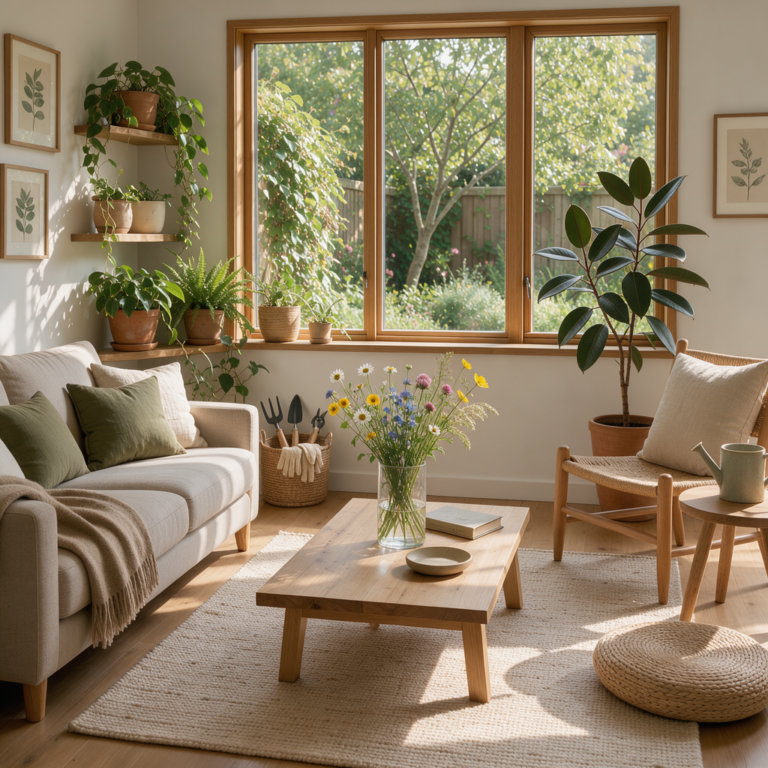
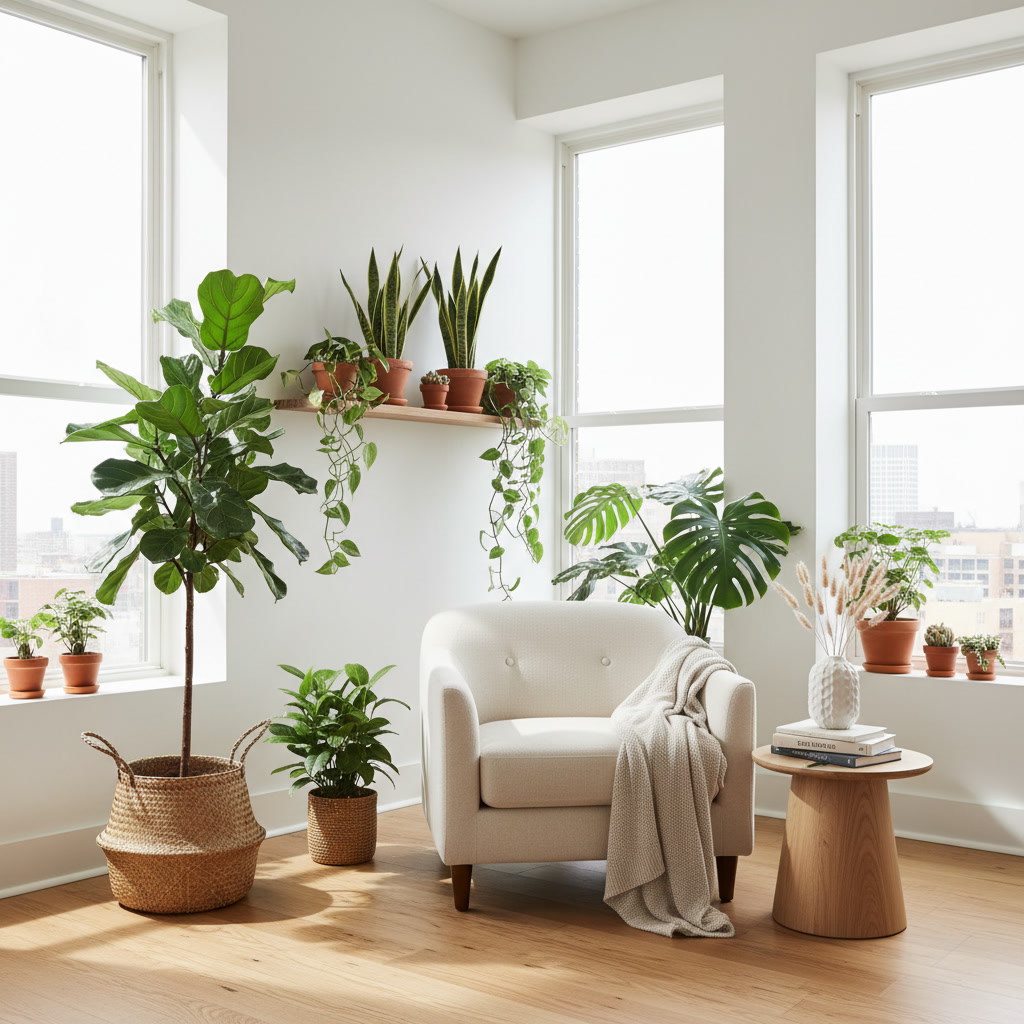
Plants make spaces look more beautiful and lively. They add color, texture, and interest to a room. Using plants as design elements is a simple way to update the look of your home and express your personal style.
Choosing the Best Indoor Plants That Add Life to Everyday Spaces
Top 5 Low-Maintenance Indoor Plants
- Snake Plant (Sansevieria) – Needs little light and water.
- Pothos (Epipremnum aureum) – Grows in almost any condition.
- Spider Plant (Chlorophytum comosum) – Tough and easy to grow.
- Peace Lily (Spathiphyllum) – Purifies air and survives low light.
- ZZ Plant (Zamioculcas zamiifolia) – Almost indestructible.
Best Indoor Plants for Small Spaces
- Succulents – Compact and colorful.
- Air Plants (Tillandsia) – No soil needed, hang or place anywhere.
- Miniature Ferns – Fit on windowsills.
- Baby Rubber Plant (Peperomia) – Grows slowly, needs little space.
- Fittonia (Nerve Plant) – Stays small, has vibrant leaves.
Pet-Friendly Indoor Plant Options
- Bamboo Palm (Chamaedorea seifrizii) – Safe for pets.
- Boston Fern (Nephrolepis exaltata) – Non-toxic to cats and dogs.
- Areca Palm (Dypsis lutescens) – Adds greenery, safe for animals.
- Calathea – Beautiful and non-toxic.
- Spider Plant – Safe for pets and easy to grow.
Plants That Thrive in Low Light vs. Bright Spaces
| Low Light | Bright Spaces |
|---|---|
| Sansevieria (Snake Plant) | Succulents |
| ZZ Plant | Fiddle Leaf Fig |
| Pothos | Rubber Tree |
| Peace Lily | Spider Plant |
How to Care for Indoor Plants That Add Life to Everyday Spaces
Essential Watering and Lighting Tips
- Check soil moisture by sticking your finger into the soil up to your first knuckle. Water only if it feels dry.
- Most plants need indirect light. Place them near a window but out of direct sunlight.
- Water less in winter when plants grow slower. Never let pots sit in water to avoid root rot.
Soil and Pot Selection for Longevity
- Choose pots with drainage holes to prevent overwatering.
- Use well-draining potting soil according to the plant type.
- Repot every 1-2 years to refresh soil and allow roots to grow.
Common Problems: Diagnosis and Solutions
| Problem | Cause | Solution |
|---|---|---|
| Yellow leaves | Overwatering | Let soil dry out before next watering |
| Brown leaf tips | Dry air or underwatering | Mist leaves or increase watering |
| Drooping | Lack of water or too much sun | Adjust water and move out of direct sun |
| Spots or pests | Insects like spider mites | Wipe leaves, use gentle insecticidal soap |
Creative Ways to Display Indoor Plants That Add Life to Everyday Spaces
Vertical Gardens and Shelving Ideas
- Mount wall planters or floating shelves for a plant wall.
- Use ladder-style shelves to stack plants vertically.
- Hang planters at different heights by windows for visual impact.
DIY Plant Arrangement Techniques
- Group plants with similar light and water needs together.
- Mix leaf shapes and sizes for an interesting look.
- Rotate plant positions to ensure even sunlight.
- Try terrariums for small plants or succulents.
- Use unique containers like mugs, old jars, or baskets.
Using Indoor Plants to Define Room Zones
- Place tall plants to separate working and relaxing areas.
- Use small potted plants to mark a reading nook or window seat.
- Arrange plants along entryways as green barriers.
Indoor Plants That Add Life to Everyday Workspaces and Offices
Best Plants for Productivity and Air Quality
- Snake Plant – Filters air, requires little care.
- Peace Lily – Improves air quality and stays green.
- Spider Plant – Removes toxins, easy to maintain.
- Philodendron – Tolerates office conditions well.
- ZZ Plant – Thrives with little natural light.
Arranging Plants for Desk and Shared Areas
- Use small pots for individual desks to avoid clutter.
- Place medium plants on filing cabinets or shelves.
- Set large plants at office corners or near windows.
- Rotate plants every few weeks for even growth.
FAQ: Indoor Plants That Add Life to Everyday Spaces
- Q: How often should I water my plants?
- A: Most indoor plants need water every 1-2 weeks, but check soil first.
- Q: What if my plant leaves turn yellow?
- A: It usually means too much water or poor drainage.
- Q: Can I keep plants in rooms without windows?
- A: Use low-light plants or grow lights for areas with little sunlight.
- Q: Are all indoor plants safe for pets?
- A: No, always check before bringing a new plant home.
- Q: What is the easiest plant for beginners?
- A: Start with snake plant, pothos, or spider plant.
How to Start Your Indoor Plant Journey in 2024
- Choose a few easy-care indoor plants to start.
- Read about each plant’s water, light, and soil needs.
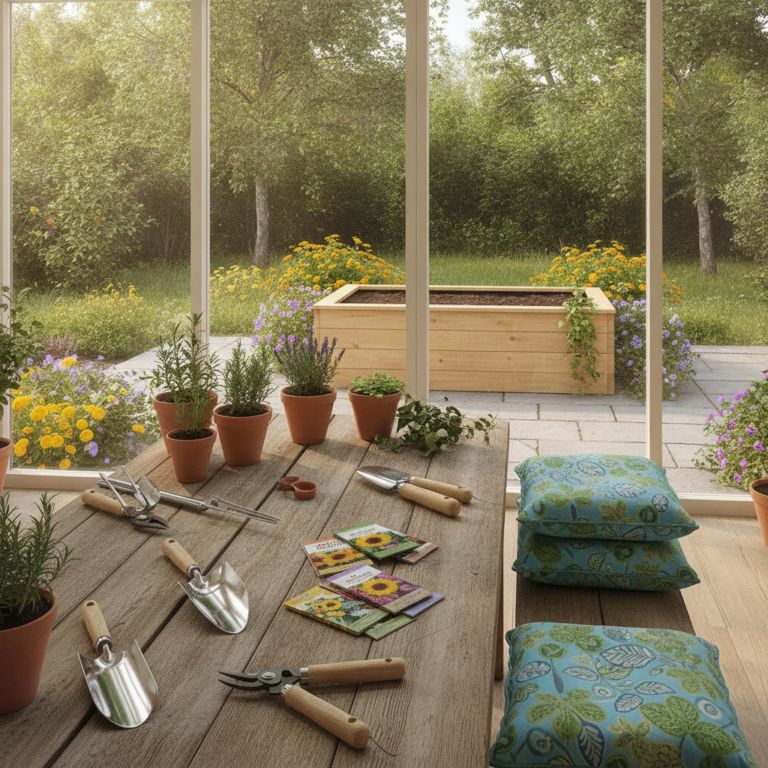
- Get basic gardening supplies: pots with drainage, indoor potting mix, watering can, and a small trowel.
- Place your plants in the right spots based on their light needs.
- Set reminders to check plants every week for water and signs of problems.
- Gradually add more plants as you build confidence.
- Join online or local plant groups for tips, swaps, and support.
Summary: Key Points and Next Steps
- Indoor plants improve air, mood, and room style. Choose types that fit your space, light, and lifestyle.
- Start simple with low-maintenance or small plants. Ensure pots drain well and soil suits the plant.
- Display plants creatively to add personality. Use vertical gardens, groupings, or arrange to separate spaces.
- With regular care, indoor plants will thrive and refresh your everyday living spaces in 2024 and beyond.