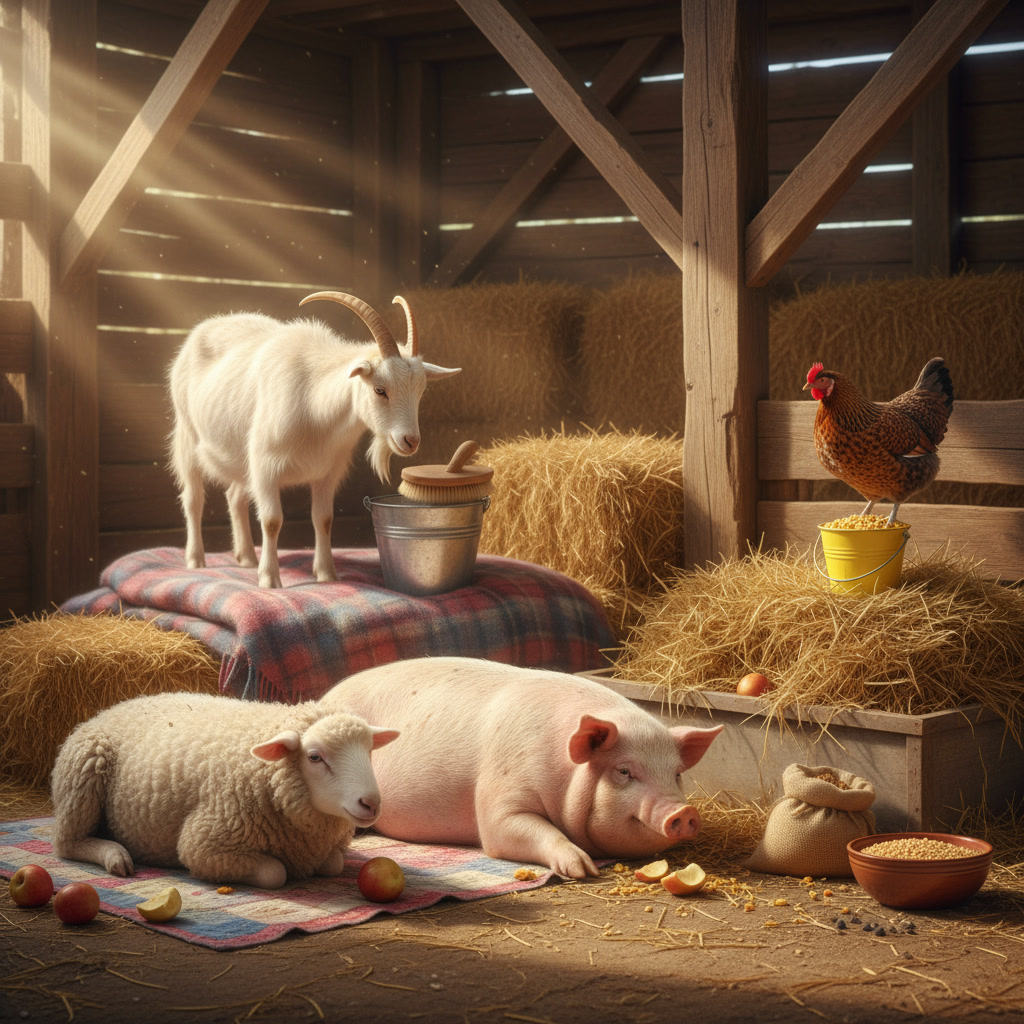
What Makes Farm Animals Unique: An Introduction to Animal Personalities
The Science Behind Farm Animal Personality Traits
Farm animals are much more than simple creatures. Science has shown that animals like goats, pigs, chickens, cows, ducks, and geese have unique personalities. Personality in animals means the individual differences in how they think, act, and feel. For example, just like people, some chickens might be bold while others are shy. Studies use tests for curiosity, fear, and social behavior to tell these personalities apart. Understanding these differences is important for their happiness and well-being.
How Personality Impacts Animal Welfare and Farm Life
Recognizing animal personalities changes how we care for them. Happy animals show their true personalities and are often healthier, more productive, and friendlier. For example, a confident goat will try to explore and play, while a shy cow might need extra gentle care. When farmers consider personality, they create better environments, reduce stress, and improve the life for each animal.
Meet the Main Characters: Farm Animals With Strong Personalities
Goats — The Mischievous Entertainers
Goats are famous for being energetic and playful. They love to climb, jump, and sometimes escape their pens. Their curiosity leads them to discover new things on the farm. Each goat may have its own way of making fun and entertaining others—both other animals and people.
Pigs — The Curious Problem-Solvers
Pigs are smarter than many believe. They learn quickly, use their noses to find food, and enjoy rooting around. Some pigs love puzzles and become expert escape artists. Others like to greet people and ask for attention. Their curiosity makes them fun and interesting to watch.
Chickens — The Bold, Quirky Leaders
Chickens are not all the same—they have leaders and followers. Some are brave and will lead the group to new food or defend their friends. Others are quirky, making silly noises or pecking at shiny objects. Knowing these leaders and characters makes keeping chickens more enjoyable.
Cows — The Gentle Giants With Distinct Moods
Cows are calm and gentle, but they show moods. Some cows enjoy being petted, while others prefer quiet time. Watching their ears, eyes, and tail gives clues about how they feel. Some cows may become attached to people or other cows, showing loyalty and affection.
Ducks & Geese — The Social Butterflies
Ducks and geese love being around their friends. They talk a lot and move together. Some geese act as protectors, warning others of danger. Ducks that bond with people may even follow them around the farm. Each bird has its own way of showing joy or concern.
How to Spot and Support Unique Personalities in Your Farm Animals
Observing Behavior: Key Signs of Animal Individuality
- Watch animals closely every day. Notice how each one eats, sleeps, and plays. Some may be more active, others more relaxed.
- Look for special habits: Does a goat jump more than its friends? Does a pig play with objects?
- Record your observations in a notebook. Patterns will help you learn each animal's unique style.
Building Trust Through Daily Interaction
- Speak gently and move slowly around all animals. Trust grows from calm contact.
- Offer treats from your hand to encourage shy animals.
- Spend extra time with animals that seem nervous or scared. Touch, talking, and quiet presence help them relax.
Tailoring Environments to Suit Different Temperaments
- Provide hiding spots for shy chickens or ducks. Safe spaces lower their stress.
- Give playful goats climbing structures. Busy animals need things to do.
- Offer pigs rooting areas where they can dig and explore.
- Make calm spots for cows that need breaks from group activity.
Practical Tips to Help Each Farm Animal Thrive According to Their Personality
Enrichment Activities for Curious and Playful Animals
- Hang toys or ropes in goat and pig pens for them to explore and chew.
- Scatter food around to encourage foraging for chickens and ducks.
- Teach tricks or give puzzles to pigs who like challenges.
- Rotate toys and obstacles every few weeks to keep everything new and interesting.
Managing Mischief and High Energy
- Check fences daily—goats and pigs may escape or break things if bored.
- Channel energy into supervised playtime with safe items such as balls or tunnels.
- Rotate the location of enrichment items to keep even the smartest animals guessing.
Nurturing Shy or Sensitive Farm Animals
- Let quiet animals come to you at their own pace. Never force contact.
- Offer gentle pets and soft speech in calm surroundings.
- Keep a set routine to help sensitive animals know what to expect.
- Pair shy animals with calm companions for comfort.
Why Embracing Animal Individuality Matters for Modern Farming (2026)
Improvements in Welfare, Productivity, and Farm Environment
Celebrating farm animals with strong personalities brings many benefits. Happy animals grow better, stay healthier, and stress less. Farmers notice that animals who can express their traits work better with people and each other. Productivity rises because animals are motivated and less likely to get sick. A friendly, safer environment means everyone—animals and people—enjoys farm life more.
Inspiring Stories: Real-Life Examples From Today’s Farmers
- A dairy farmer learns that her cows produce more milk after being given enrichment toys and regular brushing.
- A school farm highlights a goat named Rocky, who helps children with learning challenges by sharing his playful nature.
- A pig escapee charms the community, teaching the value of curiosity and smarter fencing!
FAQ: Farm Animal Personalities Answered
- Do all farm animals have personalities? Yes! Each animal is unique, just like humans.
- How can I tell if my animal is happy? Watch for play, vocalizations, and how often they interact with others.
- What if two animals don’t get along? Give each animal their own space and time to adjust. Respect their boundaries.
- Are certain breeds more playful? Yes. For example, pygmy goats or Kunekune pigs are known for being extra friendly and playful.
- Is it okay if an animal prefers to be alone? Absolutely. Some animals are naturally independent.
Further Reading & Resources for Deeper Understanding
- “The Personality of Farm Animals” — Online course from an animal behavior college
- Books: “The Secret Life of Cows” by Rosamund Young; “Pig Tales” by Barry Estabrook
- Websites: American Society for the Prevention of Cruelty to Animals (ASPCA); Farm Sanctuary
- Documentaries: “The Biggest Little Farm,” “My Life as a Turkey”
- Local animal welfare groups and agricultural extension programs
Summary: Key Steps and Next Actions
- Understand the importance of animal personality in farm life.
- Observe and record each animal’s unique traits and needs.
- Provide enrichment and adjust care to fit each personality.
- Celebrate differences to improve happiness and farm productivity.
- Stay curious and keep learning—find more books, resources, and talk with other animal lovers and farmers!