Why Backyard Birds Are Worth Getting to Know
Benefits of Observing Backyard Birds
Watching backyard birds connects you with nature. It helps reduce stress, builds patience, and improves your observation skills. Birdwatching also sparks curiosity and creativity, great for students at the grade 9 level. Sharing your sightings with friends or family can bring you closer together and make spending time outdoors more fun.
Ecological Importance of Common Backyard Birds
Birds play important roles in backyard ecosystems. They eat insects, which helps limit pests. Some birds, like hummingbirds, pollinate flowers. Others spread seeds, helping new plants grow. Knowing your local backyard birds lets you appreciate how they support a healthy environment.
Top 10 Backyard Birds Worth Getting to Know in 2026
Here are ten fascinating backyard birds you might see, with tips to help you recognize and appreciate them.
How to Identify Each Bird
- Northern Cardinal: Bright red males, brownish females with red highlights, tall crest, orange beak.
- American Robin: Gray-brown above, orange breast, white lower belly, cheerful song.
- Blue Jay: Blue top, white underneath, black collar, blue crest, loud “jay jay” calls.
- Black-capped Chickadee: Small, black cap and bib, white cheeks, gray body.
- House Finch: Brown streaky body, males with red head and chest, twittering song.
- Mourning Dove: Slender, pale tan, small head, long pointed tail, soft “cooing” call.
- Downy Woodpecker: Small, black and white with white back, males have tiny red patch on head.
- American Goldfinch: Bright yellow (male in summer), black wings and cap, small and active, bouncy flight.
- Song Sparrow: Streaky brown, white chest with central spot, varied “melodic” song.
- European Starling: Shiny black feathers with speckles, short tail, walks instead of hops, loud whistles.
Unique Characteristics and Behaviors
- Northern Cardinals are active singers, often spotted at feeders.
- American Robins hunt earthworms on lawns and build nests on ledges.
- Blue Jays mimic hawks and hide food for later.
- Black-capped Chickadees hang upside down from branches searching for insects.
- House Finches gather in busy groups at feeders.
- Mourning Doves feed on the ground and make sudden, whistling takeoffs.
- Downy Woodpeckers tap on branches for insects and sometimes visit suet feeders.
- American Goldfinches eat seeds and sing in flight.
- Song Sparrows repeat phrases, usually perching in open spots to sing.
- European Starlings form large, swirling flocks called murmurations.
Regions Where They're Commonly Found
- Northern Cardinal: Eastern and southern United States, some parts of the southwest.
- American Robin: Across North America except far north in winter.
- Blue Jay: Eastern and central North America.
- Black-capped Chickadee: Northern US, southern Canada.
- House Finch: Most of the US and southern Canada.
- Mourning Dove: All over the US, southern Canada, and Mexico.
- Downy Woodpecker: Most wooded areas of North America.
- American Goldfinch: Whole US except high mountains and far north in winter.
- Song Sparrow: Almost every part of North America with shrubs.
- European Starling: Widespread across North America.
How to Attract Backyard Birds Worth Getting to Know
Bird-Feeding Basics: Choosing Feeders and Food
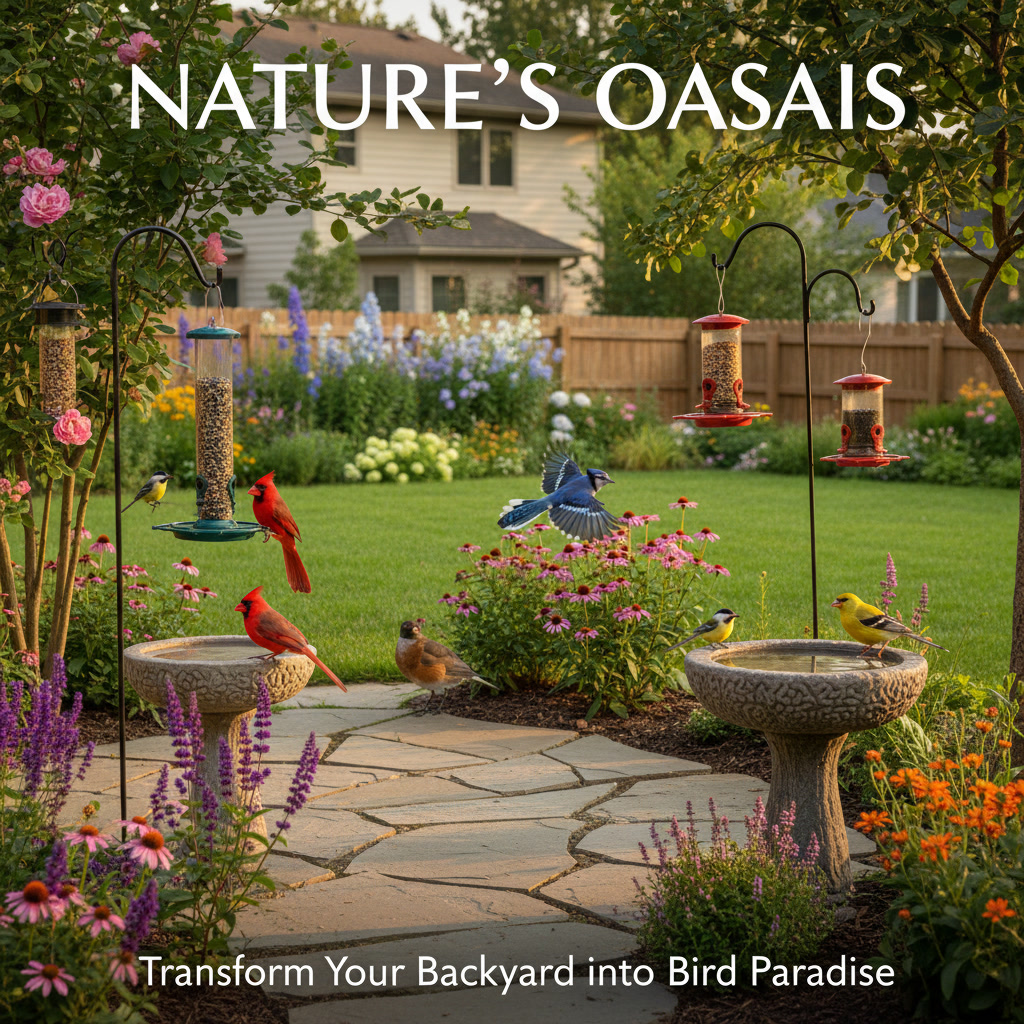
- Pick the Right Feeder:
- Tubular feeders for finches and chickadees.
- Platform feeders for doves and sparrows.
- Suet cages for woodpeckers and nuthatches.
- Select Proper Food:
- Black oil sunflower seeds attract the most species.
- Nyjer seed for finches.
- Suet for woodpeckers and chickadees.
- Millet for sparrows and doves.
- Keep Feeders Clean: Wash and refill to prevent disease. Clean up spilled seeds regularly.
Creating a Bird-Friendly Habitat in Your Yard
- Plant shrubs or small trees to provide shelter and nesting sites.
- Leave part of your lawn un-mowed or plant wildflowers for seeds and insects.
- Avoid pesticides, which can harm birds and reduce their food supplies.
- Arrange brush piles or install birdhouses for extra homes.
Water Sources and Bird Baths
- Set out a shallow bird bath or tray of water. Change the water every few days to keep it fresh.
- If possible, add a moving water source, like a small solar fountain, to attract more birds.
- In winter, use a heated bird bath to prevent freezing.
Native Plants That Support Local Birds
- Plant fruit-bearing trees and shrubs such as serviceberry, dogwood, and elderberry.
- Grow native sunflowers and coneflowers for seeds.
- Include native grasses for shelter and insects.
- Research which plants are local to your area and easiest to grow.
Ethical Birdwatching: Respecting Backyard Birds and Their Environment
Birdwatching Etiquette
- Watch from a distance. Avoid disturbing birds in nests or at feeders.
- Do not pick up young birds or remove eggs from nests.
- Do not use recordings or play calls to lure birds too often.
Protecting Birds from Predators and Hazards
- Place feeders and baths where cats or other predators cannot reach easily.
- Keep windows safe by using decals to prevent collisions.
- Use safe, non-toxic materials in your garden and yard.
- Pick up any litter or string that could trap or injure birds.
How to Document and Share Your Backyard Bird Sightings
Birdwatching Journals and Notebooks
- Keep a small notebook handy when watching birds. Record the date, time, and weather.
- Write down each bird you see, describe its color, size, and behavior.
- Draw sketches or attach photos if possible.
- Review your notes to track seasonal changes and returning birds.
Using Apps and Online Communities
- Try apps like Merlin Bird ID or eBird to help identify birds and log sightings.
- Upload observations to online birdwatching platforms, share your list with friends, or participate in challenges.
- Ask questions and learn from others in virtual birdwatching groups and forums.
Frequently Asked Questions About Backyard Birds Worth Getting to Know
- What is the easiest way to attract birds to my garden?
Provide clean water, use black oil sunflower seeds, and plant native shrubs. - How do I prevent squirrels from eating all the bird food?
Use squirrel-proof feeders and avoid scattering seed on the ground. - Why did the birds stop coming to my feeder?
Check food freshness, clean the feeder, and ensure no predators nearby. - Are there risks of disease with backyard birds?
Yes, but cleaning feeders and bathing areas helps reduce risks greatly. - Is it okay to feed bread or kitchen scraps?
It is best to avoid, as these foods are not healthy for birds.
Conclusion: Key Takeaways and Next Steps
Backyard birds are worth getting to know for their beauty, unique behaviors, and ecological roles. Anyone can enjoy and help birds by providing food, water, and shelter. Respectful and ethical birdwatching makes your experience rewarding and keeps birds safe. By documenting and sharing your sightings, you deepen your interest and connect with others. Start today with a feeder and notebook, and soon you'll become an expert on backyard birds worth getting to know.