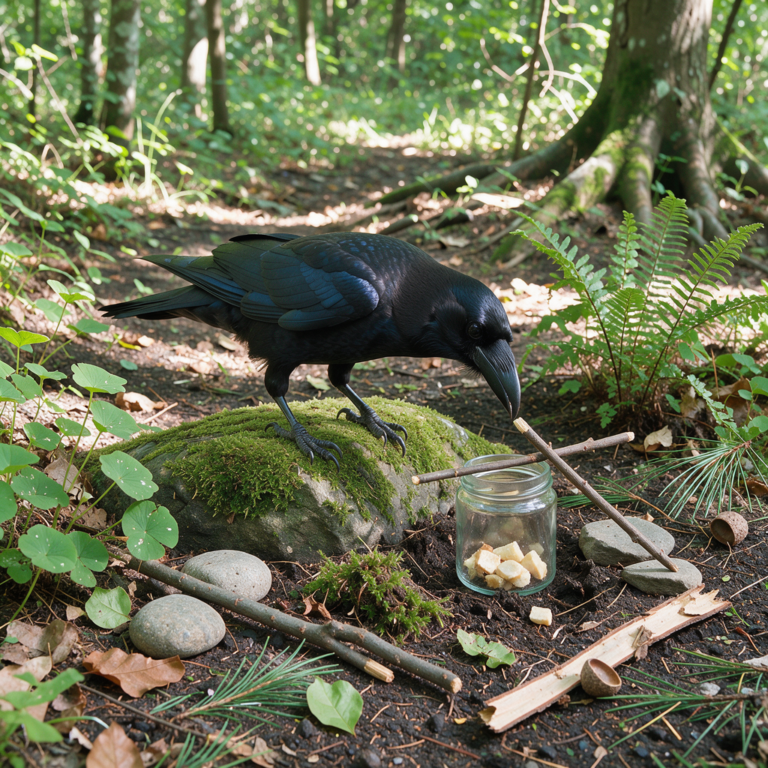

Understanding Sanctuary Animals Given a Second Chance
What Are Sanctuary Animals?
Sanctuary animals are creatures that find safe homes in special places called sanctuaries. These animals often come from difficult backgrounds. They might have been abandoned, abused, injured, or rescued from bad conditions. Sanctuaries are different from regular shelters. They focus on providing lifelong care for animals that cannot survive in the wild or be adopted easily.
The Meaning of “Given a Second Chance”
When we say sanctuary animals are “given a second chance,” it means these animals have an opportunity to start a better life. They receive care, safety, and love after facing hardships. This second chance allows them to heal, trust humans again, and enjoy a peaceful environment.
Common Reasons Animals End Up in Sanctuaries
- Escaping abuse or neglect
- Being orphaned or abandoned
- Injuries or illnesses that prevent survival in the wild
- Retirement from farms, zoos, or laboratories
- Rescue from illegal trade or entertainment industries
How Sanctuaries Rescue and Rehabilitate Animals
Rescue Operations and Intake Process
- Identification: Sanctuaries learn about animals needing help from reports, officials, or the public.
- Rescue Preparation: Teams organize safe transport and the right equipment for each animal.
- Emergency Rescue: Animals are carefully removed from harmful situations with safety as a priority.
- Initial Assessment: On arrival, animals get checked for injuries, disease, or trauma.
Assessing Animal Needs and Backgrounds
- Health Checks: Vets examine the animal’s physical condition and diagnose problems.
- Behavioral Evaluation: Staff observe how animals react to people, sounds, and other animals.
- History Review: Whenever possible, sanctuaries collect background information to create the best care plan.
Rehabilitation Programs and Daily Care
- Medical Treatments: Animals receive medicines, surgeries, or therapies as needed.
- Nutrition: Staff prepare balanced diets tailored to each animal's species and health needs.
- Enrichment: Activities and toys encourage natural behaviors and prevent boredom.
- Socialization: Caregivers build trust and allow animals to safely interact with others over time.
- Ongoing Monitoring: Animals are watched daily for signs of recovery or problems.
How to Support Sanctuary Animals Given a Second Chance
Volunteering Opportunities and Responsibilities
- Contact Local Sanctuaries: Find sanctuaries in your area and ask about volunteer openings.
- Training: Attend training sessions to learn about animal care, safety, and hygiene.
- Daily Tasks: Volunteers may feed animals, clean enclosures, assist with medical care, or help with tours.
- Commitment: Stick to your schedule and always follow staff instructions to keep animals safe and calm.
Donating and Fundraising for Sanctuaries
- Direct Donations: Support sanctuaries with money, supplies, or equipment.
- Organize Fundraisers: Host charity events at your school or community to raise funds and awareness.
- Online Campaigns: Use social media platforms to promote donation drives and share sanctuary stories.
Sponsorship and Adoption Programs
- Animal Sponsorship: Choose an animal to sponsor, providing funds for its care in exchange for updates and photos.
- Virtual Adoptions: Symbolically adopt an animal, supporting its needs even if the animal stays at the sanctuary.
- Group Sponsorship: Get together with friends or classmates to sponsor animals as a team.
Best Practices for Interacting with Sanctuary Animals
Visitor Guidelines and Animal Welfare
- Follow Sanctuary Rules: Always listen to staff instructions and posted signs.
- Keep Quiet and Calm: Loud noises and sudden movements can frighten animals.
- Respect Animal Space: Don't try to touch or feed animals unless the staff invites you to.
- No Flash Photography: Avoid anything that can startle or stress the animals.
Building Trust with Rescued Animals
- Be Patient: Animals with tough pasts need time to trust humans again.
- Consistent Behavior: Visit at regular times, use calm voices, and avoid quick movements.
- Positive Interactions: Offer treats only when allowed, help with enrichment, and celebrate small steps.
Responsible Sharing and Advocacy
- Spread Awareness: Share true stories about sanctuary animals in your school or online.
- Fact-Check: Make sure the information is correct before posting on social media.
- Use Respectful Language: Highlight the animals’ recovery and not just their suffering.
- Encourage Action: Motivate others to volunteer, donate, or support sanctuaries.
Inspiring Stories: Sanctuary Animals Transformed by a Second Chance
Noteworthy Rescues and Recoveries
- Hope the Horse: Rescued from neglect, now enjoys open fields and gentle care.
- Lucky the Parrot: Saved from illegal trade, now sings and interacts with visitors.
- Bella the Bear: Once exploited for entertainment, now roams safely in a forested enclosure.
How Communities Can Make a Difference
- Schools can organize educational trips and projects about animal protection.
- Local businesses can sponsor sanctuary events and donate supplies.
- Citizens can report suspected abuse and support animal-friendly policies.
Frequently Asked Questions About Sanctuary Animals Given a Second Chance
| Question | Answer |
|---|---|
| How can I tell if a sanctuary is ethical? | Look for sanctuaries that do not breed animals, allow petting, or use animals for entertainment. They should focus on education and animal well-being. |
| What age do I need to be to volunteer? | Most sanctuaries require you to be at least 14–16 years old to volunteer, sometimes with adult supervision. |
| Can I adopt a sanctuary animal? | Most sanctuary animals remain in care for life. Virtual adoptions or sponsorships are often available instead. |
| What items do sanctuaries need most? | Common needs include food, bedding, medical supplies, cleaning products, and enrichment toys. |
| How do sanctuaries fund their operations? | They rely on donations, sponsorships, grants, and sometimes entrance fees for educational tours. |
Preparation: Tools and Materials You’ll Need
- Notebook or phone for taking notes
- Internet access to find nearby sanctuaries
- Comfortable clothes and closed shoes (for volunteering)
- Personal water bottle and snacks
- Face mask and hand sanitizer (if required)
- Donation items (check sanctuary wish lists before visiting)
Step-by-Step Tutorial: How to Get Involved and Help Sanctuary Animals
- Learn About Local Sanctuaries
- Search online for animal sanctuaries in your city or region.
- Read reviews and check for official recognition or nonprofit status.
- Choose sanctuaries that prioritize animal welfare and ethical care.
- Contact the Sanctuary
- Email or call to ask about volunteer needs or visitor policies.
- Ask about age requirements, schedules, or items to bring.
- Schedule your visit or volunteer session in advance.
- Prepare for Your Visit
- Pack comfortable clothes, closed shoes, and a water bottle.
- Gather any approved donation items.
- Review sanctuary safety and hygiene guidelines.
- Volunteer or Visit Responsibly
- Arrive on time and check in with sanctuary staff.
- Participate in training or orientation, if offered.
- Follow all procedures to keep yourself and the animals safe.
- Support in Other Ways
- Start a fundraising campaign with classmates or friends.
- Sponsor or virtually adopt an animal through the sanctuary’s program.
- Share what you learn about animal welfare through presentations, blogs, or social media.
Common Problems and Solutions
| Problem | Solution |
|---|---|
| Not sure how to help | Start by emailing or calling a sanctuary to ask about their needs. Every sanctuary is different! |
| Lack of time to volunteer | Support sanctuaries by donating, sponsoring an animal, or raising awareness online. |
| Feeling nervous around animals | Observe animals first without interacting. Ask staff for guidance and choose tasks you feel comfortable doing. |
| Worried about spreading misinformation | Only share information from official sanctuary websites or staff members. |
| Difficulty organizing fundraisers | Work with a teacher, club advisor, or community leader to plan and advertise your event. |
Advanced Tips for Making a Greater Impact
- Document your volunteer experiences and create informative content, like blog posts or class presentations.
- Form a school club focused on animal welfare or raising funds for sanctuaries.
- Partner with local businesses for sponsorships or donation drives.
- Encourage your community to advocate for better animal protection laws.
- Stay in touch with sanctuary staff and offer your skills (social media, event planning, art, etc.).
Summary: Key Points and Next Steps
- Sanctuary animals given a second chance are survivors of hard conditions who now live in safety.
- You can help by volunteering, donating, sponsoring, or spreading awareness.
- Respectful and safe interactions are crucial for the animals’ recovery and well-being.
- Even small actions, like sharing stories or collecting supplies, make a big difference.
- Get started by reaching out to a sanctuary and seeing how you can help—every effort counts toward giving animals a better life.