Introduction to Bird Migration Phenomena
What Is Bird Migration?
Bird migration is the regular, often seasonal, movement of birds between breeding and non-breeding areas. Many birds travel thousands of kilometers to find the best conditions for food, nesting, and survival. Migration is an amazing adaptation that allows birds to thrive in different environments throughout the year.
Why Do Birds Migrate?
Birds migrate mainly to seek food and better living conditions. As seasons change, resources such as insects, seeds, or water can become scarce. Travel to warmer areas or places with plenty of food helps birds avoid harsh weather and gives them a better chance for survival and raising chicks.
Key Terms: Migration, Flyways, and Stopovers
- Migration: The regular movement of animals from one place to another.
- Flyways: Main routes that migratory birds follow, often spanning continents.
- Stopovers: Places where migrating birds rest and feed during long journeys.
The World’s Most Impressive Migratory Birds
Arctic Tern: The Longest Journey
Arctic Terns are famous for having the longest migration of any animal, traveling from the Arctic to Antarctica and back each year—over 40,000 kilometers round-trip. They see more daylight than any other animal on Earth.
Bar-tailed Godwit: Nonstop Flyers
Bar-tailed Godwits are champions of endurance. They can fly more than 12,000 kilometers without stopping, from Alaska to New Zealand. During this journey, they do not rest or eat until arrival.
Swainson’s Hawk: Cross-Continent Travelers
Swainson’s Hawks migrate between North America and Argentina, crossing entire continents. Their migration covers up to 12,000 kilometers each way, making them among the top long-distance raptors.
Ruby-throated Hummingbird: Mighty Mini Migrators
Despite their small size, Ruby-throated Hummingbirds fly from North America to Central America each year. They cross the Gulf of Mexico in a single flight, with no rests, covering nearly 800 kilometers.
Blackpoll Warbler: Record-Breaking Overwater Flights
Blackpoll Warblers migrate from Alaska or Canada, flying non-stop more than 3,000 kilometers over the Atlantic Ocean to reach South America. For their size, this is a record-breaking journey across open water.
How to Observe Bird Migration in Your Area
Best Times of Year for Migration Watching
Bird migration usually occurs in spring and fall. Spring migration can be seen from March to May, while fall migration is from August to November. Local birding groups or online migration calendars can help you choose the best dates.
Top Migration Hotspots and Birding Destinations
- Wetlands, lakes, and rivers are top spots to see migrating waterbirds.
- Mountain passes and coastal areas are often travel routes for many songbirds and raptors.
- Well-known hotspots include Point Pelee (Canada), Bosque del Apache (USA), and the East Asian-Australasian Flyway.
How to Use Migration Forecast Tools and Maps
- Check online tools like BirdCast, which use weather and migration data to predict bird movement.
- Use maps to track migration routes and find local observation points.
- Some apps provide real-time alerts about new birds in your area.
Preparing for a Successful Migration-Watching Experience
Essential Gear for Bird Migration Watching
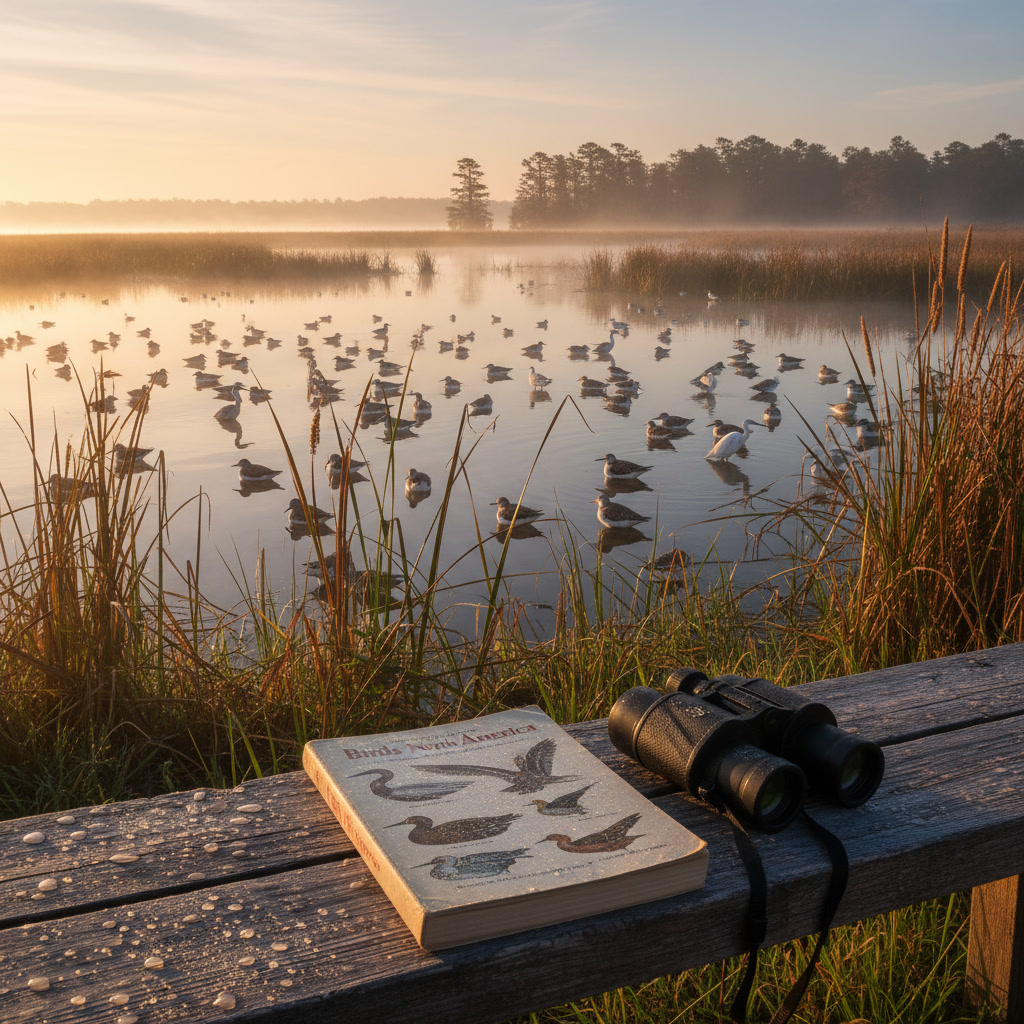
- Binoculars: Choose a pair with a wide field of view for spotting fast-moving birds.
- Field guidebook or identification app for birds in your region.
- Notebook or phone to record observations.
- Weather-appropriate clothing and comfortable shoes.
Field Etiquette and Responsible Wildlife Observation
- Keep a respectful distance from birds and nests.
- Stay on approved paths to protect habitats.
- Avoid loud noises and sudden movements.
- Take any trash with you when you leave.
How to Document and Share Your Sightings
- Take clear notes about species, numbers, location, and behaviors.
- Use birding apps to log and upload sightings to citizen science projects.
- Share photos or stories through social media, bird clubs, or local nature centers.
Conservation Challenges Facing Migratory Birds
Habitat Loss and Climate Change Effects
Migratory birds depend on healthy habitats in more than one place. Urban development, agriculture, and pollution can destroy these areas. Climate change alters weather and food availability, making migration even riskier.
How You Can Help Protect Migratory Birds
- Support habitat conservation efforts and responsible land use.
- Keep cats indoors during migration seasons.
- Use bird-friendly windows and reduce night lighting to prevent collisions.
- Participate in local or global bird research projects.
Frequently Asked Questions About Bird Migration
- How do birds know where to go? Birds use the sun, stars, Earth’s magnetic field, and even smell to navigate.
- How do small birds survive such long flights? They build up fat reserves and rest at stopovers, some can also sleep while flying.
- What happens if a bird gets lost? Some will join flocks of other species, while others may perish, but most have strong instincts that guide them home.
- Can anyone watch bird migration? Yes! You just need basic equipment and some patience.
Resources for Bird Migration Enthusiasts (2026 Update)
- BirdCast (https://birdcast.info/): Real-time migration forecasts for North America.
- eBird (https://ebird.org/): Submit sightings and explore global migration maps.
- Audubon Society (https://www.audubon.org/): Guides, news, and conservation tips.
- Merlin Bird ID App: Free smart app for bird identification.
- Local nature centers or birding clubs for field trips and events.