Understanding Pollinators and Their Role in Everyday Ecosystems
What Are Pollinators? Key Species Overview
Pollinators are animals that help plants reproduce by transferring pollen from one flower to another. This process allows plants to make seeds, fruits, and new plants. Key pollinator species include bees, butterflies, moths, birds, bats, beetles, flies, and wasps. These animals support both wild plants and crops we eat.
Why Pollinators Matter for Local and Global Ecosystems
Pollinators are vital for life on Earth. Many food crops and wild plants depend on them. Without pollinators, most plants could not produce seeds or fruit. This would lower food supplies for people and animals. Pollinators also help keep ecosystems healthy by supporting plant diversity, which offers food and shelter for other species.
Common Pollinators That Keep Ecosystems Healthy
Bees: The Major Pollinators in Gardens and Farms
Bees, including honey bees, bumblebees, and native bees, are responsible for pollinating many crops like apples, almonds, and tomatoes. Bees gather nectar and pollen for food, spreading pollen as they move from flower to flower. They are the most effective pollinators for many plants.
Butterflies and Moths: Colorful Contributors to Pollination
Butterflies and moths are attracted to brightly colored flowers. As they feed on nectar, they pick up pollen on their bodies and carry it to other flowers. Butterflies are active during the day, while many moths pollinate at night. Both help pollinate wildflowers and some crops.
Birds and Bats: Less-Known but Vital Ecosystem Helpers
Certain birds, such as hummingbirds, and bats, especially in tropical regions, also act as pollinators. Birds with long beaks and bats with long tongues feed on nectar and move pollen between flowers. They are essential for some fruits, including bananas and avocados.
Other Important Pollinators: Beetles, Flies, and Wasps
Many flowers rely on less-famous pollinators such as beetles, flies, and wasps. For example, flies are critical for chocolate production since they pollinate the cacao tree. Wasps and beetles help pollinate wild plants and some crops, contributing to biodiversity.
Threats Facing Everyday Pollinators in 2026
Habitat Loss and Climate Change Impacts
Pollinators face shrinking habitats because cities, farms, and roads replace natural spaces. Climate change alters the timing of flowering and weather patterns, which can make it hard for pollinators to find food at the right time. Extreme weather events can also destroy nests and food sources.
Pesticides and Pollution Challenges
Pesticides used in farming or gardening can harm pollinators or kill the plants they rely on. Pollution from chemicals and air toxins can also hurt pollinator health and the quality of their habitats.
Diseases and Invasive Species Pressure
Pollinators are threatened by new diseases and invasive species, which can spread quickly and impact native pollinator populations. For example, some introduced mites attack honey bees, and invasive plants can outcompete native food sources for pollinators.
How to Create a Pollinator-Friendly Environment at Home and in the Community
Choosing the Right Plants for Pollinators
- Select native plants that are adapted to your region. These provide the best food for local pollinators.
- Grow a variety of flowers with different colors, shapes, and bloom times throughout the year to ensure continuous food.
- Avoid double-flowered plants, as they may have less nectar or pollen.
Organic Gardening and Reduced Chemical Use
- Use natural gardening methods instead of chemical pesticides or fertilizers.
- Encourage healthy soil by composting kitchen and yard waste.
- If pests appear, remove them by hand or use eco-friendly products.
Providing Shelter and Water Sources
- Leave small brush piles, dead wood, or patches of bare ground for insects to nest in.
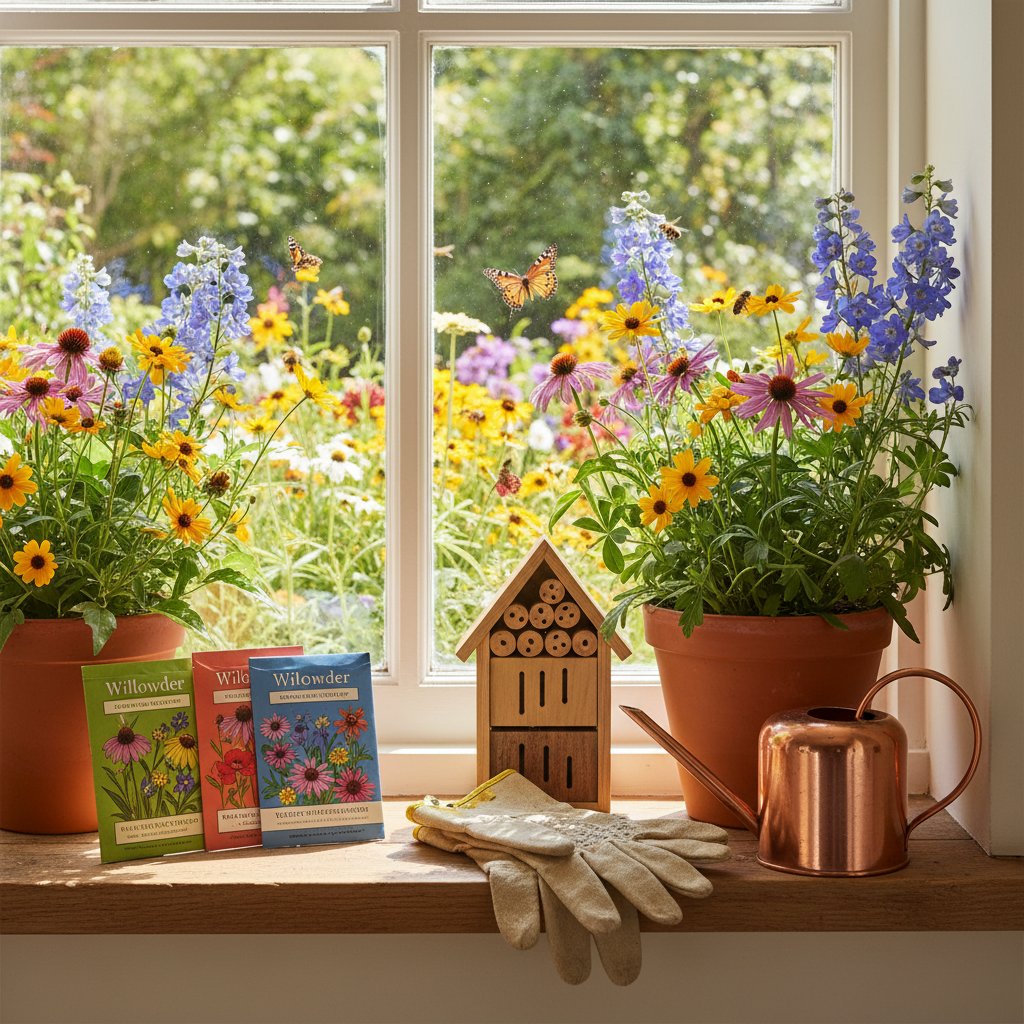
- Install bee hotels or nest boxes for bees and other pollinators.
- Provide shallow dishes with water and stones for pollinators to drink safely.
Community Initiatives and Citizen Science
- Start or join local projects, like planting pollinator gardens at schools or parks.
- Participate in citizen science, such as counting bees or butterflies and reporting your findings online.
- Educate neighbors and friends about the importance of pollinators and how they can help.
Seasonal Tips for Supporting Pollinators Year-Round
Spring and Summer Strategies
- Plant new flowers and herbs with staggered bloom times for ongoing nectar and pollen.
- Mow lawns less often, letting some wildflowers bloom for pollinators.
- Check for nests before trimming hedges or deadheading plants.
Fall and Winter Considerations
- Leave some spent flowers and seed heads for food and winter shelter.
- Do not clear away all leaf litter, as many insects overwinter in it.
- Plant late-blooming flowers and early-spring bulbs for early and late-season pollinators.
Frequently Asked Questions About Pollinators and Their Ecosystem Impact
- Q: Can pollinators survive in the city?
A: Yes! Even small gardens, balconies, or window boxes can help pollinators if you plant the right flowers and avoid chemicals. - Q: What if I am allergic to bees?
A: You can still support pollinators by planting flowers in less-used areas and avoiding strong scents or bright clothes when gardening. - Q: How can I help pollinators if I do not own a garden?
A: Support local parks, donate to conservation groups, spread awareness, and buy pollinator-friendly products. - Q: Are all bees good for pollination?
A: Most native bee species are excellent pollinators. Honey bees are helpful, but wild bees often do better for many plants.
Resources and Further Reading on Pollinator Conservation
- Books: “The Bees in Your Backyard” by Wilson & Carril; “Bringing Nature Home” by Douglas Tallamy.
- Websites: Xerces Society for Invertebrate Conservation, Pollinator Partnership, National Wildlife Federation.
- Citizen Science: The Great Sunflower Project, Monarch Watch, eButterfly.
Key Points and Next Steps
- Pollinators are essential for healthy ecosystems and our food supply.
- Bees, butterflies, birds, bats, beetles, flies, and wasps all play important roles.
- Pollinators face many threats, but we can help by planting native flowers, reducing chemicals, and offering shelter.
- Everyone can support pollinators at home, school, or in the community.
- Stay informed and participate in citizen science to continue making a positive impact.