Introduction to Urban Wildlife Adaptation
Why Animals Adapt to City Life
Cities change the natural environment. Yet, some wildlife species adapt and even thrive. These animals find food, shelter, and safety from predators. Cities offer resources and fewer natural threats, giving certain wildlife unique advantages. By understanding why animals adapt, we learn how urban environments shape their behavior and survival strategies.
Overview of Surprising Urban Wildlife Species
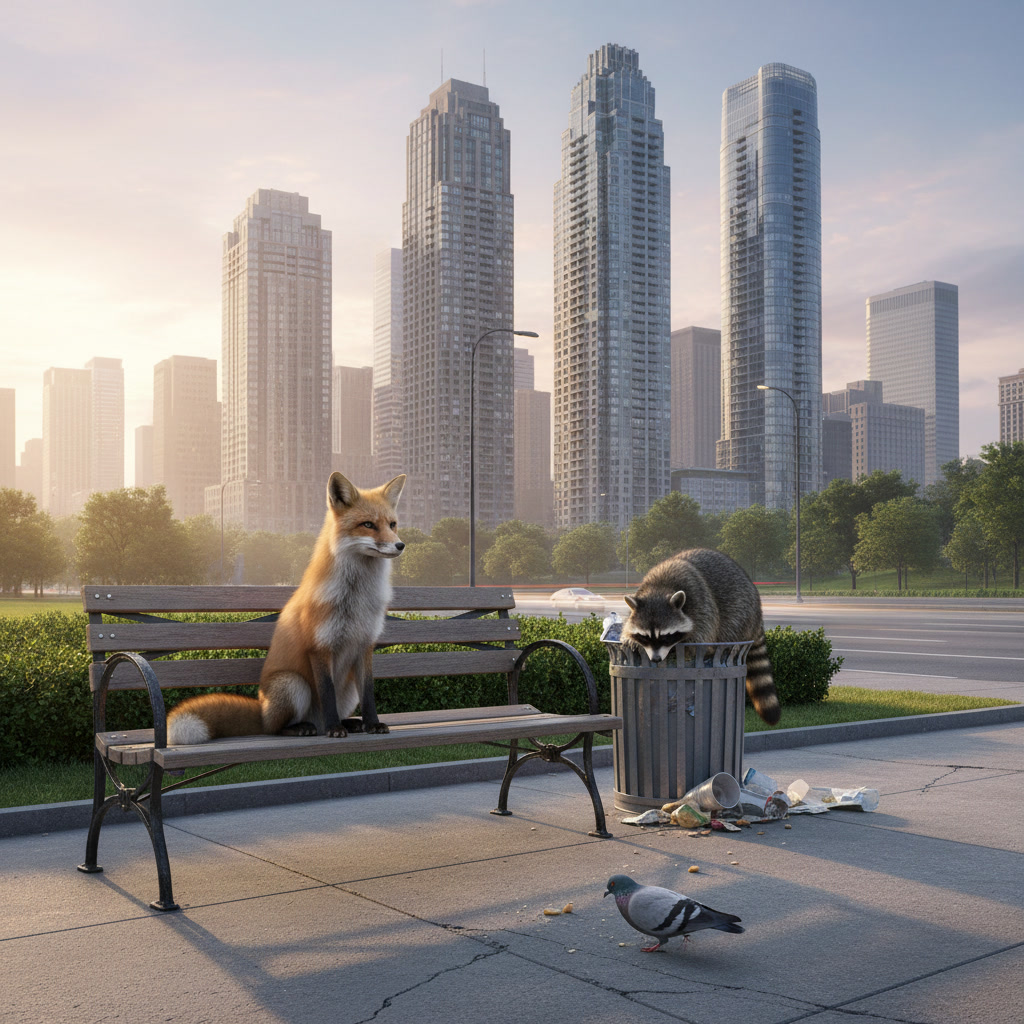
Many animals have become part of city life. Pigeons, raccoons, and foxes are some common city dwellers. But cities also attract less expected wildlife, such as hawks hunting above skyscrapers, frogs breeding in park ponds, or bees building hives on rooftops. These examples show nature's amazing ability to coexist with urban growth.
Top Examples of Wildlife Adapted to Cities
Birds – Pigeons, Crows, and Hawks
Pigeons are often called “city birds.” They nest on building ledges and eat discarded food. Crows are highly intelligent, using tools and dodging traffic for food scraps. Hawks, especially peregrine falcons, use tall buildings as hunting perches and nest sites, thriving on urban prey like pigeons.
Mammals – Raccoons, Foxes, and Coyotes
Raccoons open bins, climb drainpipes, and wash their food using city water sources. Urban foxes use parks and gardens as hunting grounds and den sites. Coyotes are now common in North American suburbs, adapting diets and behaviors to city life, including crossing roads safely.
Reptiles and Amphibians – Snakes, Frogs, and More
Certain snakes and frogs adapt to city parks and ponds. Snakes benefit from rodents attracted to urban waste. Toads and frogs reproduce in fountains and garden ponds, surviving in places where natural wetlands have disappeared.
Insects and Invertebrates Thriving in Urban Settings
Some insects, like ants and cockroaches, do well in cities thanks to warmth and food. Bees and butterflies use gardens and rooftop planters. Spiders spin webs under streetlights, catching moths drawn to artificial light.
How These Species Thrive in Urban Environments
Food Sources and Foraging Adaptations
- Animals seek food in trash, parks, outdoor markets, and homes.
- Many urban wildlife eat human food waste, while others hunt pigeons, rats, or insects.
- Species like crows and raccoons learn to open containers or use tools to access food.
Shelter and Nesting in Man-Made Structures
- Pigeons and falcons build nests on building ledges and under bridges.
- Raccoons shelter in attics, chimneys, and sewers.
- Insects find homes in cracks, wall crevices, pipes, and gardens.
Behavioral Changes and Problem-Solving Skills
- Urban wildlife often show less fear of humans.
- Crows and squirrels solve puzzles for food rewards.
- Many species change their active hours to avoid busy times and predators.
Coexisting with Urban Wildlife: Tips for City Dwellers
Encouraging Safe Interactions
- Do not feed wild animals directly; it can make them dependent.
- Observe wildlife from a distance and never try to touch or capture them.
- Teach children to respect and avoid disturbing urban wildlife.
Simple Ways to Support Urban Biodiversity
- Plant native flowers and shrubs to attract pollinators and birds.
- Provide clean water sources in gardens or patios.
- Participate in local clean-up events to keep habitats safe.
Preventing Common Conflicts with Urban Wildlife
- Secure trash bins and compost heaps with tight lids.
- Fix broken windows and close access points to attics and basements.
- Remove food and water sources that could attract unwanted species.
How to Observe and Document Wildlife That Has Adapted Surprisingly Well to Cities
Ethical Wildlife Watching Techniques
- Use binoculars or cameras to watch wildlife from a distance.
- Stay quiet and avoid sudden movements to prevent stress for animals.
- Do not disturb nests, dens, or resting sites.
Using Technology and Citizen Science Apps
- Download wildlife observation apps like iNaturalist or eBird.
- Photograph or record sightings with your phone and upload them to databases.
- Join local wildlife mapping projects to track city species together.
Sharing Urban Wildlife Sightings Responsibly
- Do not reveal exact nest or den locations online to keep animals safe.
- Share photos and observations to raise awareness but protect animals’ privacy.
- Encourage friends and family to enjoy wildlife respectfully.
The Future of Wildlife Adaptation in Cities: Trends and Predictions for 2026 and Beyond
Urban Expansion and Its Impact
As cities grow, wildlife faces new challenges and opportunities. Green roofs, urban parks, and corridor gardens help many species survive. However, some animals may struggle with reduced space and pollution. Balancing development with nature is the key to a healthy city ecosystem.
Conservation Efforts and Habitats in Cities
More cities now protect urban habitats and invest in biodiversity. Creating pollinator pathways, restoring rivers, and planting native species can make cities friendlier to wildlife. Conservation groups partner with communities to study and support urban species.
How You Can Help
- Join city nature walks and wildlife monitoring programs.
- Improve habitats on balconies, rooftops, or yards.
- Talk to neighbors and city officials about green projects and wildlife habitats.
FAQ: Wildlife Adaptation and Urban Survival
| Question | Answer |
|---|---|
| Why do some animals thrive in cities but others don’t? | Animals with flexible diets, high intelligence, and adaptability survive best. Food sources and shelter matter, too. |
| Is it safe to have wildlife in the city? | Usually, yes. Most urban animals avoid people but can cause problems if fed or cornered. Respect makes coexistence safe. |
| Can I help city animals without causing problems? | Yes! Plant native species, keep areas clean, and don’t leave out food waste. Support local conservation projects. |
| Will climate change affect urban wildlife adaptation? | Yes. Changing weather and resources may favor some species while making survival harder for others. |
| What should I do if I find injured urban wildlife? | Call local animal rescue services. Do not handle wild animals unless you are trained. |
Summary: Key Points and Next Steps
Wildlife adapts to cities in amazing ways, showing flexibility and problem-solving skills. These animals transform urban landscapes and offer city dwellers a daily connection to nature. To support urban biodiversity, observe ethically, use technology for citizen science, and make simple habitat improvements. By promoting coexistence, we help wildlife and people thrive together in growing cities. Next, explore local wildlife opportunities, join conservation efforts, and inspire others to appreciate nature in our own backyards.