
Introduction to Animal Recognition of Humans
What Does It Mean for Animals to Recognize Humans?
Animal recognition of humans means that certain species are able to distinguish between individual people. They do not just see humans as a general group. Instead, they use sensory information and memory to tell people apart. This can include recognizing faces, voices, scents, or behaviors.
Why Is Human Recognition in Animals Important?
Understanding which animals can recognize humans helps improve animal welfare, deepens bonds between people and animals, and assists in conservation efforts. It also reduces stress for animals in captivity and helps trainers, researchers, and owners build better relationships with them.
Animals That Can Recognize Individual Humans
Birds That Can Identify Human Faces
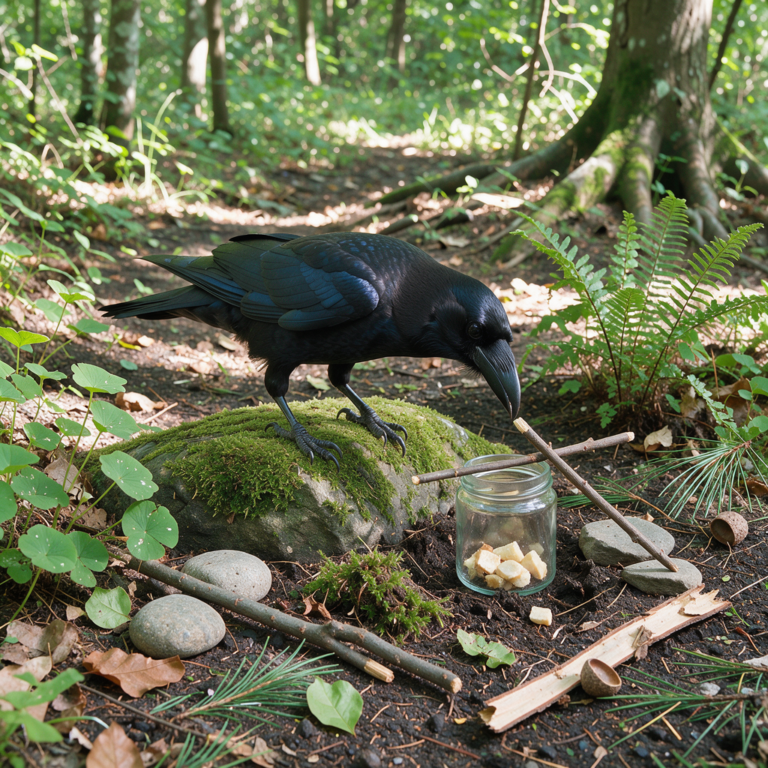
Some birds, especially crows, ravens, magpies, and parrots, are able to memorize and distinguish human faces. Studies show crows can remember people who have threatened them and react differently to strangers. Parrots often remember their owners and react to familiar faces with excitement.
Mammals with Human Recognition Abilities
Many mammals recognize individual humans. Dogs use their sense of smell and vision to identify their owners. Cats can tell the difference between familiar and unfamiliar people. Elephants have strong memories and are known to recognize keepers even after many years. Dolphins also recognize trainers and use visual and acoustic cues.
Marine Animals and Their Recognition Skills
Dolphins, sea lions, and whales often interact with humans and recognize specific individuals. They respond to unique voices, gestures, and appearance. Dolphins are especially skillful in remembering trainers, even after long periods apart.
Unexpected Species That Recognize Humans
Some fish like archerfish and groupers show the ability to recognize their caretakers. Tortoises and reptiles, such as iguanas, can learn to recognize regular feeders. Rabbits and rodents are also able to distinguish between humans they interact with frequently and strangers.
How Animals Distinguish Between Individual Humans
Sensory Cues Animals Use (Sight, Smell, Sound)
- Sight: Animals often use facial features, body shape, and movement patterns to recognize people.
- Smell: Dogs and cats rely heavily on scent, which is unique to each person.
- Sound: Voice tone, speech patterns, and even footsteps help many animals identify humans.
Memory and Learning Processes in Animal Recognition
Animals rely on repeated experiences to learn and remember humans. Long-term memory is important for species like elephants and birds. Training and consistent interactions help animals associate names, faces, and behaviors with specific humans.
Scientific Studies on Animal-Human Recognition
Research shows that crows can hold grudges against people and teach others who look dangerous. Dogs perform better at recognizing owners than strangers. Experiments with dolphins show they recall previous trainers. Some studies use facial recognition tests, scent trials, and vocal response analysis to prove animal abilities.
How to Help Animals Learn and Remember You
Steps for Building Trust and Familiarity
- Approach calmly and avoid sudden movements. Animals trust gentle and predictable behavior.
- Spend time near the animal regularly to become a familiar presence.
- Use a consistent voice and mannerisms during interactions.
- Offer food or treats in a safe way to create positive associations.
- Respect the animal’s space and observe its reactions to you.
Training Techniques to Strengthen Recognition
- Reward-based training helps animals link your presence with good outcomes.
- Repeat your name and other cues so the animal can associate them with you.
- Practice hand signals or body gestures to create unique identifiers.
- Change routines gradually, allowing the animal to adjust and learn.
Signs an Animal Remembers You
- Approaches with excitement or curiosity.
- Responds to your voice or appearance even in unfamiliar places.
- Shows recognition behaviors like wagging, vocalizing, or moving closer.
- Performs trained actions only when you give the cues.
Real-World Examples and Anecdotes
Famous Cases from Zoos and Wildlife Research
Some zoo animals, like elephants, greet their keepers after years apart. Gorillas and chimpanzees remember specific researchers and react positively when they return. Crows in urban areas have been seen avoiding people who once threatened them.
Stories from Pet Owners and Animal Trainers
Dog owners often notice their pets recognizing their footsteps and car sounds. Cats may hide from strangers but greet familiar faces. Dolphin trainers report dolphins remembering them even after years separated. Parrot owners see their birds talking or acting out when an owner returns home after months away.
Potential Benefits and Challenges of Animal Recognition
Improvements in Animal Welfare and Bonding
- Reduces stress in captive animals and pets.
- Helps with training and medical care by making animals more cooperative.
- Builds stronger emotional bonds between humans and animals.
Implications for Conservation and Research
- Enhances reintroduction programs for endangered species.
- Strengthens research efforts by improving animal cooperation.
- Facilitates safe and ethical wildlife monitoring.
Ethical Considerations and Cautions
- Respect animal privacy and comfort zones.
- Avoid forcing recognition or overtraining.
- Consider stress factors and avoid negative associations.
- Ensure interactions benefit both human and animal wellbeing.
FAQ: Everything About Animals That Can Recognize Individual Humans
| Question | Answer |
|---|---|
| Can all animals recognize individual humans? | No, only certain species with developed senses and memory show this ability. |
| Which animal is best at recognizing humans? | Dogs and crows are among the most accurate, but elephants and dolphins also excel. |
| How long do animals remember people? | Some animals remember for years, while others need frequent contact. |
| What can I do to help an animal remember me? | Regular interaction, consistent cues, and positive reinforcement are key. |
| Are there risks in animal recognition training? | Overtraining or negative associations can cause stress. Always prioritize animal welfare. |
| Do wild animals recognize humans? | Sometimes, especially those that frequently interact with researchers or urban people. |
| Can animals forget people? | If not exposed regularly, some animals may lose recognition over time. |
Preparation: Tools and Materials Needed
- Comfortable, quiet space for interaction
- Animal-safe treats or rewards
- Consistent clothing or markers for easier recognition
- Patience and observation notebook
Step-by-Step Tutorial: Helping Animals Recognize You
Step 1: Prepare Your Environment
Set up a calm, predictable space where the animal feels safe. Remove distractions and allow the animal to explore at its own pace.
Step 2: Initial Interactions
Introduce yourself gently. Use slow movements and speak softly. Allow the animal to approach and observe you without pressure.
Step 3: Build Routine and Familiarity
Visit the animal at regular times and bring rewards. Repeat greetings and actions to establish a recognizable routine.
Step 4: Use Sensory Cues
Wear consistent clothes and adopt a unique scent (lotion or soap). Use the same voice patterns or phrases each time.
Step 5: Positive Reinforcement
Reward the animal for calm, positive interactions. Offer treats or praise directly after recognition behaviors.
Step 6: Gradually Introduce New Tasks
Once the animal responds to you, add simple tasks or cues. Reward success and allow time for learning.
Step 7: Monitor and Adjust
Observe responses in different situations. Make changes if the animal appears stressed or unsure. Be patient and respectful.
Common Challenges and Solutions
- Animal shows fear or avoidance: Slow down interaction, give more space, and reduce stimuli.
- Lack of response or recognition: Increase session frequency and use more distinct cues.
- Animal forgets over time: Renew regular contact and repeat positive associations.
- Overreliance on treats: Include verbal and social rewards so the animal doesn’t depend solely on food.
Advanced Tips for Optimizing Animal Recognition
- Use unique, consistent signals for each animal.
- Work with more than one person to compare responses and strengthen recognition.
- Log progress and reactions for better training insights.
- Introduce small changes to test memory retention.
- Study the animal’s sensory strengths and adapt methods accordingly.
Summary: Key Points and Next Steps
- Many animals can recognize individual humans by using sight, sound, and smell.
- Consistent, positive interactions and sensory cues help build long-lasting recognition.
- Animal recognition deepens bonds, aids training, and supports welfare and conservation.
- Always respect animal boundaries and adapt training to their needs.
- Continue learning about species-specific abilities to improve relationships and understanding.