
Understanding Self-Recognition in Animals
What Is Self-Recognition?
Self-recognition is an animal’s ability to recognize itself as an individual, separate from others and the environment. This ability is a key sign of self-awareness, which is a major part of intelligence. When an animal recognizes itself, it can identify that the image in a mirror is its own, not another animal. This skill has been linked to higher thinking and problem-solving abilities.
The Science Behind Animal Self-Awareness
Scientists study animal self-awareness because it helps us understand animal intelligence and emotions. Research in this area began in the 1970s with brain studies and behavior experiments. Observing how animals react to their reflection or to marks on their body reveals whether they truly know themselves. Studies show that only some animals can do this.
Key Tests for Animal Self-Recognition
The Mirror Test Explained
The mirror test is a famous method for testing self-recognition. Researchers place a colored mark on an animal’s body where it cannot see without a mirror. The animal is then put in front of a mirror. If it tries to look at or touch the mark on its own body, not the mirror, it may recognize itself. This test shows the animal understands the reflection is itself.
Alternative Methods Researchers Use
Besides the mirror test, scientists use other methods. They may watch how animals respond to video images or use smells, sounds, and special objects. For example, dogs use smell more than sight. Some tests use scent markers to see if the animal knows its own scent. These methods help study animals that do not rely on vision as much as humans do.
Animals Proven to Recognize Themselves
Primates That Pass the Mirror Test
Some primates, such as chimpanzees, bonobos, orangutans, and some gorillas, have passed the mirror test. These animals use mirrors to look at parts of their bodies and remove marks or dirt. Their advanced brains and strong social skills may help them develop self-recognition.
Marine Mammals with Self-Recognition Abilities
Certain marine mammals, like bottlenose dolphins and orcas, have also shown self-recognition. They use mirrors to examine themselves and perform actions only possible if they know they're looking at themselves. These findings suggest high intelligence in these species.
Birds and Other Notable Species
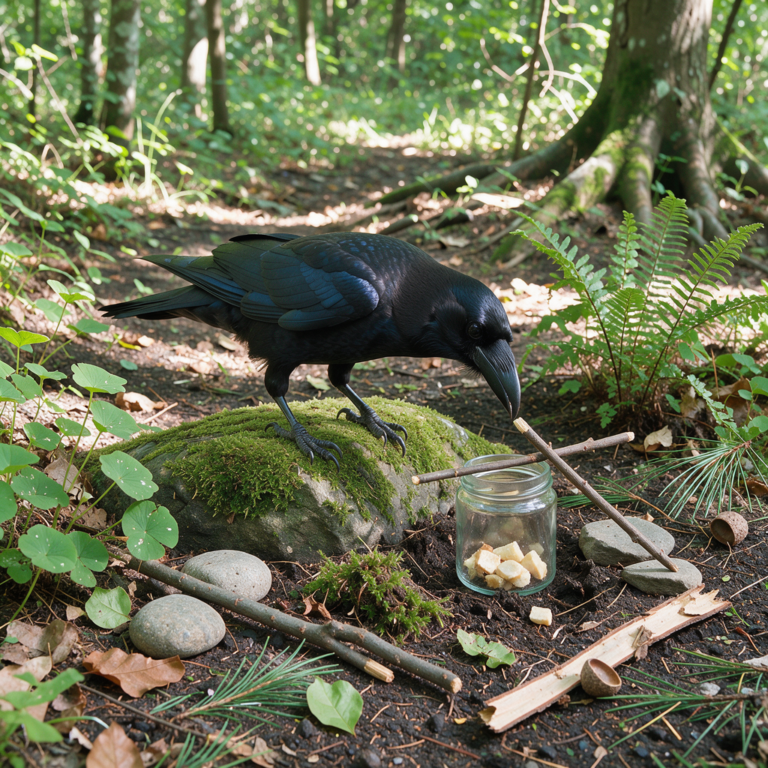
Some bird species, such as magpies and crows, have passed self-recognition tests. They often use reflective surfaces to inspect their bodies. Asian elephants and some fish, like the cleaner wrasse, have also shown signs of self-recognition, surprising many scientists.
How to Observe and Test Animal Self-Recognition
Conducting the Mirror Test at Home or in the Lab
-
Prepare Materials
You need a mirror, a safe marking substance (non-toxic paint or sticker), and an animal subject.
-
Introduce the Mirror
Place the mirror in the animal's environment for several days. Let the animal get used to it without interference.
-
Apply the Mark
While the animal is calm, place a mark on a part of its body it cannot see without a mirror (e.g., forehead or neck). Make sure the mark can be noticed if looked at directly.
-
Observe Reaction
Watch the animal when it sees itself in the mirror. Does it touch or look for the mark on its own body, or does it treat the reflection as another animal?
Interpreting Results Ethically and Accurately
-
Be Objective
Write down exactly what the animal does in front of the mirror. Count how many times it touches the mark or checks itself.
-
Consider Alternative Explanations
Some animals may touch the mark by accident or out of curiosity. Compare behavior with and without the mark for accurate results.
-
Ensure Animal Welfare
Do not stress or harm the animal. If the animal appears scared or upset, stop the test immediately.
Why Does Animal Self-Recognition Matter?
Implications for Animal Intelligence
Self-recognition is a major sign of animal intelligence. Animals that pass self-awareness tests may be able to plan, solve problems, and have complex emotions. This helps scientists understand how smart and aware different species can be.
Ethical Considerations in Animal Care
If animals can recognize themselves, they may have thoughts and feelings similar to humans. This affects how we care for, protect, and treat these animals. Animals with high self-awareness may need more mental stimulation and social interaction to live healthy lives.
Frequently Asked Questions: Animals and Self-Recognition
- Q: Can all animals recognize themselves in mirrors?
A: No. Only some animals, like great apes, dolphins, elephants, and certain birds, have shown this skill.
- Q: Why don’t dogs and cats pass the mirror test?
A: Dogs and cats use smell and sound more than sight to identify themselves, so mirrors are less useful for them.
- Q: Is the mirror test the only way to test animal self-awareness?
A: No. Researchers also use scent, sound, and object tests depending on the species’ abilities.
- Q: What does self-recognition tell us about animals?
A: It may mean those animals have higher intelligence, emotions, and self-awareness, leading to better care and respect for them.
Further Resources on Animals Capable of Recognizing Themselves
- Scientific review of self-recognition in animals
- Latest news on animal self-awareness research
- List of animals passing the mirror test
- Animal Behavior Society: Research and guidelines
Summary: Key Points and Next Steps
- Self-recognition is a sign of animal intelligence and self-awareness.
- The mirror test and other methods show which species can recognize themselves.
- Primates, dolphins, elephants, and some birds pass these tests.
- Anyone can observe or conduct simple self-recognition tests with safety and care.
- Understanding animal self-recognition can improve animal protection and care.
- Explore more resources or try a test with proper advice to learn further.