Understanding Animal Memory: Why It Matters in Nature
What Is Animal Memory? Key Concepts and Types
Animal memory is the ability to store, retain, and recall information. There are different types, such as short-term memory, long-term memory, and spatial memory. Short-term memory helps animals remember things for a few seconds or minutes, while long-term memory can last for years or even a lifetime. Spatial memory lets animals remember locations, routes, and important places.
The Evolutionary Importance of Memory for Animals
Memory is essential for survival. Animals use memory to find food, escape predators, return to nesting sites, and form social bonds. Those with strong memories often have a better chance of surviving and passing on their genes. Over time, natural selection has favored animals with advanced memory skills, especially in complex environments.
Animals With Some of the Strongest Memories in Nature: The Top Examples
Elephants: Long-Term Memory Champions
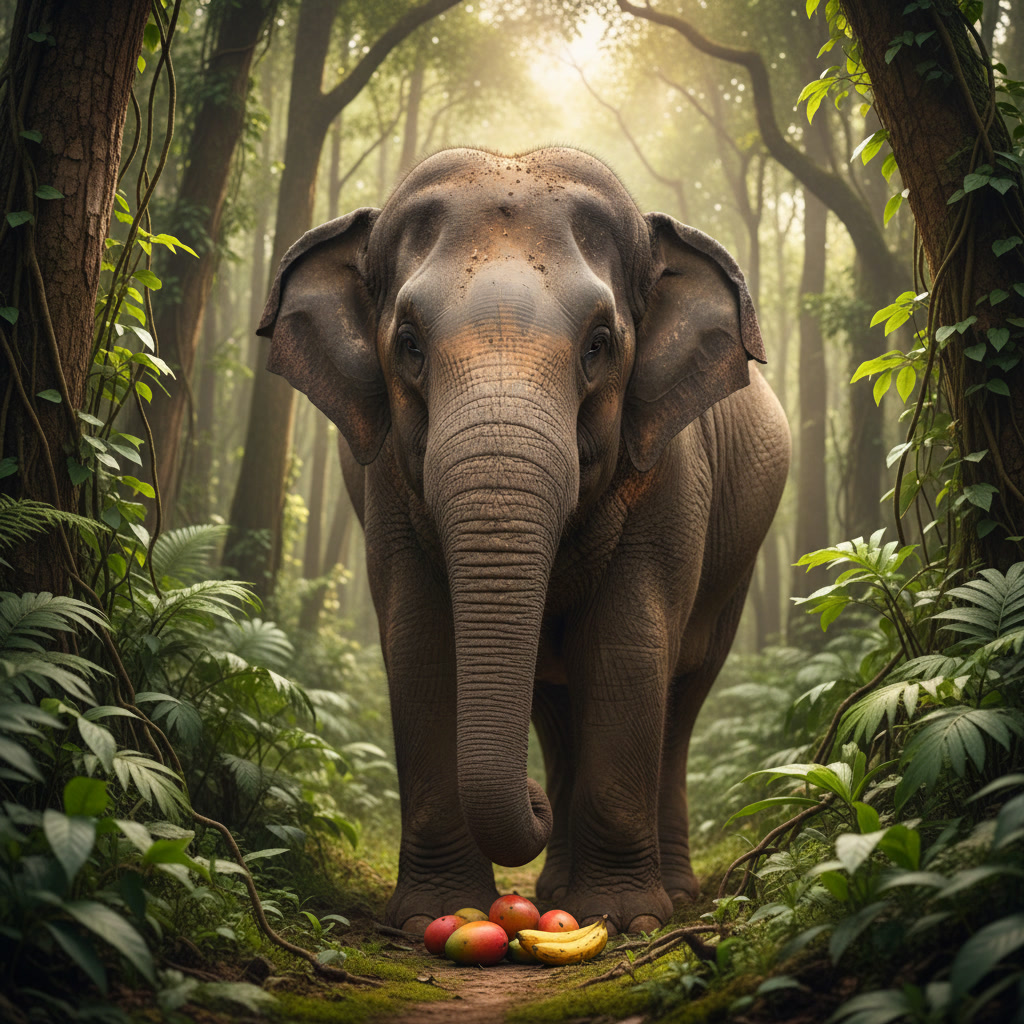
Elephants are famous for their powerful long-term memory. They can remember water sources over long distances and recognize other elephants after many years apart. This ability helps herds survive during droughts or travels.
Dolphins: Complex Social Recall
Dolphins remember the signature whistles of other dolphins for decades. This helps them cooperate, avoid enemies, and maintain relationships within their pods.
Crows and Ravens: Remarkable Problem Solvers
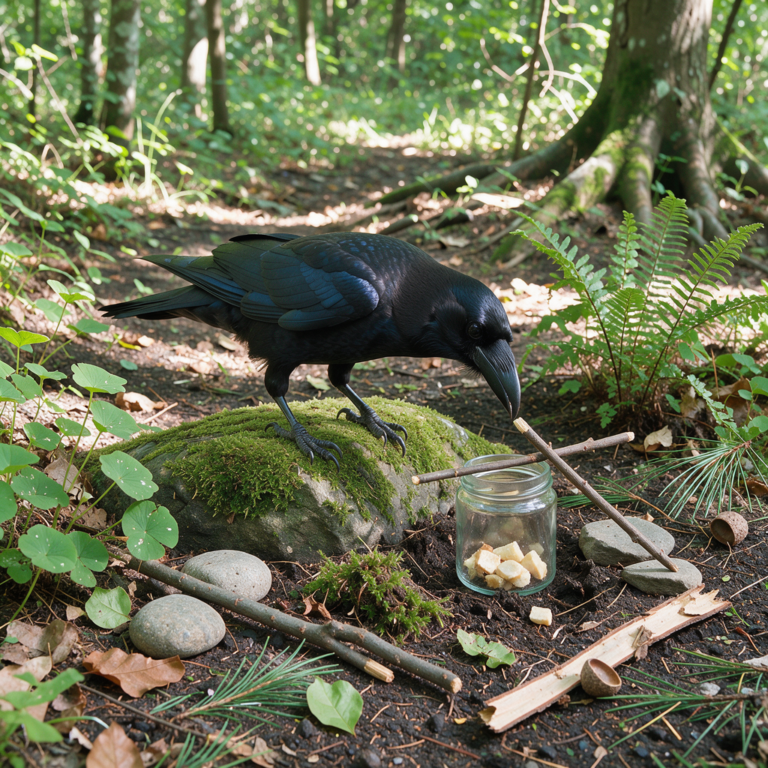
Crows and ravens have impressive memories for faces and routes. They can recognize humans who pose threats and remember tool-use techniques to solve puzzles. Their memory even covers food hiding spots for later retrieval.
Chimpanzees and Apes: Self-Awareness and Memory
Chimpanzees and other great apes display both short-term and long-term memory. They remember past events, social interactions, and use this knowledge during problem-solving and social situations. Some apes can even recall events much like humans do.
Sea Lions: Training and Spatial Memory
Sea lions have excellent spatial and associative memory. They can remember commands and tricks for years, which scientists have tracked in laboratory settings. Their memory helps them navigate and hunt in the wild.
Parrots: Long-Lived Memory in Birds
Parrots can learn words and phrases and remember them for a lifetime. They also remember routines, problem-solving strategies, and the people who care for them.
Other Noteworthy Species With Strong Memories
- Honeybees can remember flower locations and types.
- Squirrels recall hidden food caches and seasonal changes.
- Manta rays may recognize each other and recall past interactions.
How Animals Use Memory in Their Daily Lives
Migration and Memory — Finding Their Way Home
Many animals, like birds, whales, and butterflies, rely on memory to migrate thousands of kilometers. They remember complex routes and use environmental cues to return home every year.
Social Structures and Bonding
Memory is key for social animals. Elephants, primates, and dolphins remember faces, voices, and social rankings. This helps them form strong groups, resolve conflicts, and assist each other.
Foraging, Hunting, and Food Storage
Animals like crows, squirrels, and sea otters use memory to find food sources and store food for later use. This saves time and energy and boosts survival chances.
What Humans Can Learn From Animals With Strong Memories
Memory Techniques and Adaptation in Wildlife
Animals use strategies such as repetition, association, and visualization to strengthen memory. You can practice these techniques for studying, such as repeating information or linking it to familiar places or images.
Applications for Human Learning and Memory Training
- Use spatial memory, like mind mapping, for studying.
- Establish routines to make information easier to remember.
- Associate new facts with past experiences or visual cues, much like animals do with places or faces.
How to Support and Test Memory in Animals
Responsible Observation and Interaction
- Observe animals in their natural habitats without interrupting their routines.
- Record behaviors that suggest memory use, like repeated routes or interactions.
- Respect their space to reduce stress and ensure authentic observations.
Enrichment Activities for Memory Stimulation
- Offer puzzles or food mazes to challenge memory in pets or captive animals.
- Change environments or hiding spots to help animals practice spatial memory.
- Rotate toys or tools to avoid boredom and promote learning.
Ethical Considerations in Animal Memory Studies
- Follow ethical guidelines to protect animals from harm or stress during research.
- Ensure that participation in memory tests is voluntary, especially for captive animals.
- Share findings to improve how animals are trained and cared for.
Frequently Asked Questions About Animals With Exceptional Memories
| Question | Answer |
|---|---|
| How do scientists study animal memory? | By tracking behaviors, setting memory tests, and observing problem solving in the wild or labs. |
| Can pets have strong memories too? | Yes, many pets like dogs, cats, and birds have strong memories for routines, commands, and people. |
| Why is animal memory important for humans? | It offers insights into brain function, learning, and how to improve our own memory skills. |
| Do all animals have similar memory abilities? | No, memory strengths vary widely; some animals rely more on instinct or immediate cues than memory. |
Preparation: Tools and Materials Needed
- Notebook and pen for making observation notes.
- Binoculars or camera for observing animals in nature.
- Puzzle toys or mazes for practical animal memory tests (optional for pets or school projects).
- Printed diagrams or mind maps for practicing memory strategies yourself.
Step-by-Step Tutorial: Learning From Animal Memory
-
Research Your Animal
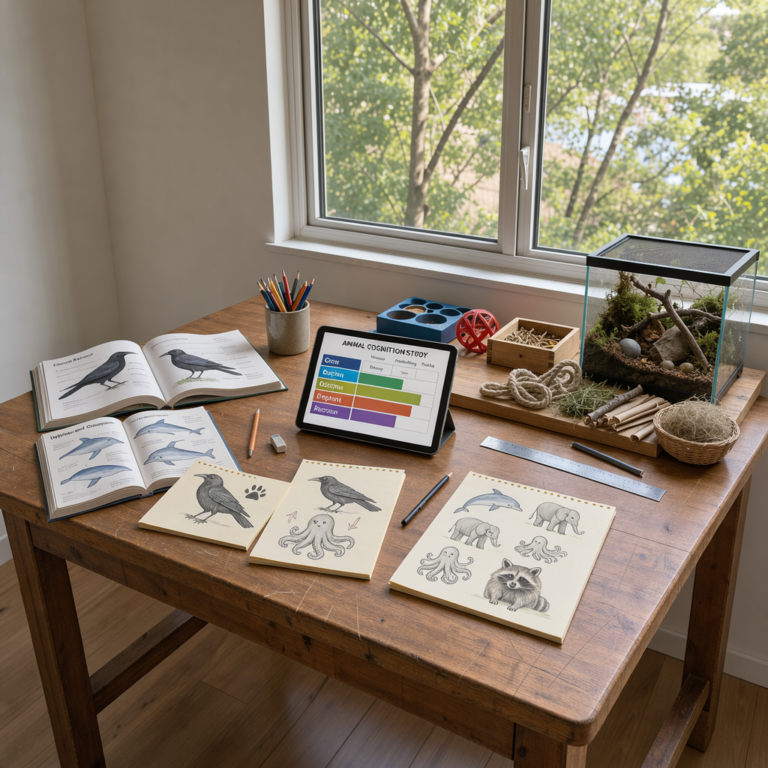
Pick one animal known for its strong memory. Read about its behaviors, habitat, and memory skills using books, articles, or videos.
-
Plan an Observation
Choose a location where you can observe the animal safely. This could be the wild, a zoo, or a nature video online.
-
Record Memory-Related Behaviors
Note actions such as traveling familiar paths, using tools, recalling faces or voices, or solving puzzles for food.
-
Compare With Human Memory
Write down how the animal's memory strategies are similar to or different from human strategies. Think about how you could use them for studying.
-
Practice Animal-Inspired Techniques
- Use repetition to remember key facts.
- Associate new terms with objects or places in your room.
- Create a map or drawing of something you need to memorize, just like animals remember geographic routes.
-
Test Your Own Memory
Try hiding objects in your home and recalling their locations hours or days later. Track your improvement over time.
-
Reflect and Share
Write a short report or give a presentation on your findings. Share interesting animal memory facts with friends or family.
Common Challenges and Solutions
- Hard to Observe Memory Directly: Use videos and reliable sources if you can’t watch animals in real life.
- Confusing Memory With Instinct: Remember, real memory involves learning and recalling, not just automatic behavior.
- Recording Details: Write immediately after observing so you don’t forget important moments.
- Staying Patient: Animal behaviors may take time to appear. Observe quietly and stay focused.
Advanced Tips for Improving This Project
- Pick different species and compare their memory strategies.
- Set up more complex puzzles for animals you can interact with safely.
- Review scientific studies to find advanced facts or recent discoveries.
- Practice animal-based memory techniques regularly to build your own skills over weeks.
Conclusion: Key Takeaways and Next Steps
Animals with strong memories offer powerful lessons about learning, adaptation, and survival. By observing animal memory behaviors, practicing their techniques, and understanding their evolutionary purpose, you can boost your own ability to remember and learn more effectively. Continue exploring animal intelligence for even more ways to improve your knowledge and study skills.